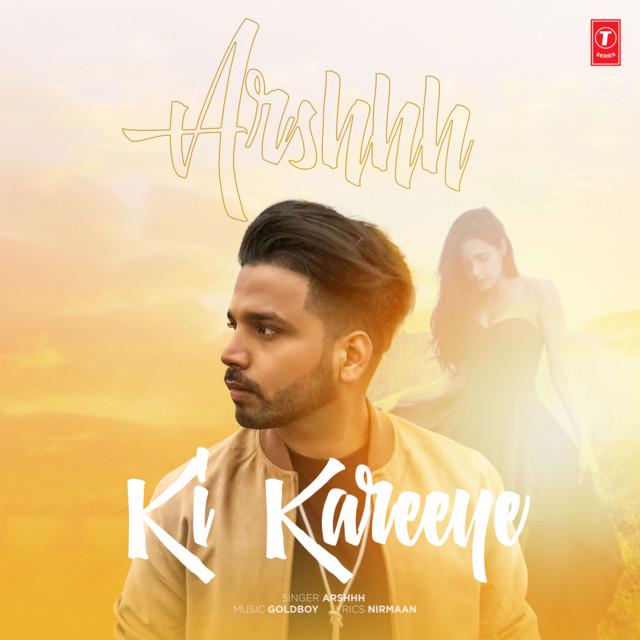
Hardik Trehan

Pop
Indian Pop
Indian Folk
 Viberate Rank: 268880
 Viberate Rank: 268880
 Monthly ListenersFollowers
 Subscribers
 Followers
 Followers
 FansTop Spotify Songs
| Track | 7-Day Streams | |
|---|---|---|
1 | 1.78K | |
2 | 59 | |
3 | 38 | |
4 | 29 | |
5 | 27 |
Top YouTube VideosMonthly ListenersFeatured in PlaylistsAudience| City | Monthly Listeners | |
|---|---|---|
1 | | 693 |
2 | | 574 |
3 | | 397 |
4 |  | 374 |
5 | | 177 |
See full performance history, audience data, playlist activity, rankings, comparisons, and more in Viberate music analytics. Start with a free trial, then continue with a paid plan.
Hardik Trehan’s Spotify BioHardik Trehan (born on October 16, 1991) is an Indian Singer, Actor, and Producer. Hardik was born and brought up in Chandigarh and attended his schooling from St. Stephen’s School and Dav 15, Chandigarh. In 2008, He pursued a Diploma coarse of Animation and Visual Effects from Frameboxx Animation. He has Learned Classical Music from his Guruji Sh. Ramdas Maurya Ji and Light Music From Baldev kakri Ji. Hardik Learned Mixing & Mastering Skills from some of the top Institutions in United States.
In 2013, ‘Mohabtaan’ from the Movie Sikander which was Hardik’s Debut Song as a Playback Singer. The song was a romantic number from the film.
In 2014, Hardik Came up with ‘Nikki Nikki’, which was his debut Single Video Song directed by his Dad(Gaurav Trehan) and music by renowned Music Director Jatinder Shah. Hardik has been Singing, Writing, Composing and Producing songs since then. ‘Dila Ve’ (Released in December, 2014) and ‘Makeup'(Released in March, 2015) were the other two songs released… after ‘Nikki Nikki’. All these Songs were released in Hardik’s Home Record Label Catrack Entertainment.
In 2016, ‘Kehnde Ne Naina’, a remake of the superhit song by Noor Jehan was also released in 2016.
In 2019, Hardik Came up with three Single Audio Songs – ‘Patch Up Party’, ‘Milan Da Risk’, and ‘Sunlo Ji’ released by Nyza Studios a record label founded by Hardik in the same year.
Hardik Trehan is all set to come up with his first Album 'JEWELS - The Album Arrives' In 2023
Viberate is a music analytics platform built for A&Rs, artist managers, labels, booking agents, marketers, and artists.
It helps music professionals track artist growth, analyze audience data, monitor playlist activity, compare artists, follow song performance, and identify opportunities across the music market.
Public artist pages provide a free preview of selected artist data. Paid plans provide access to deeper analytics, historical data, charts, comparisons, playlist tools, exports, alerts, reports, and additional professional features.
Yes. Public Viberate artist pages provide selected artist analytics and music data for free.
Viberate also offers a 7-day free trial of the full platform. A credit card is required to start the trial. The trial includes access to the complete product so users can test deeper artist analytics, historical views, playlist insights, comparisons, charts, exports, alerts, and reporting features before choosing a paid plan.
Viberate provides artist analytics across streaming, playlists, social media, video, radio airplay, songs, and audience markets.
Users can analyze Spotify performance, Spotify and Apple Music playlists, YouTube activity, TikTok and Instagram growth, radio spins, song performance, audience locations, demographics, rankings, and overall artist momentum.
Artist profiles also connect to music charts, similar artists, and comparison tools, helping users benchmark performance and evaluate artists in context.
Viberate updates key artist and track data daily.
For followed artists and tracks, selected data is refreshed multiple times per day. This helps teams monitor playlist changes, streaming movement, audience growth, releases, and campaign performance with more current data.
Update frequency can vary depending on the metric and data source.
Yes. Viberate lets users compare up to five artists side by side across streaming, social media, audience, and engagement metrics.
Users can compare fanbase growth, audience demographics, locations, Spotify performance, social metrics, and other artist data over selected time periods.
Artist comparison can be used for A&R scouting, benchmarking, booking decisions, campaign planning, and evaluating artists with similar audiences or market positions.