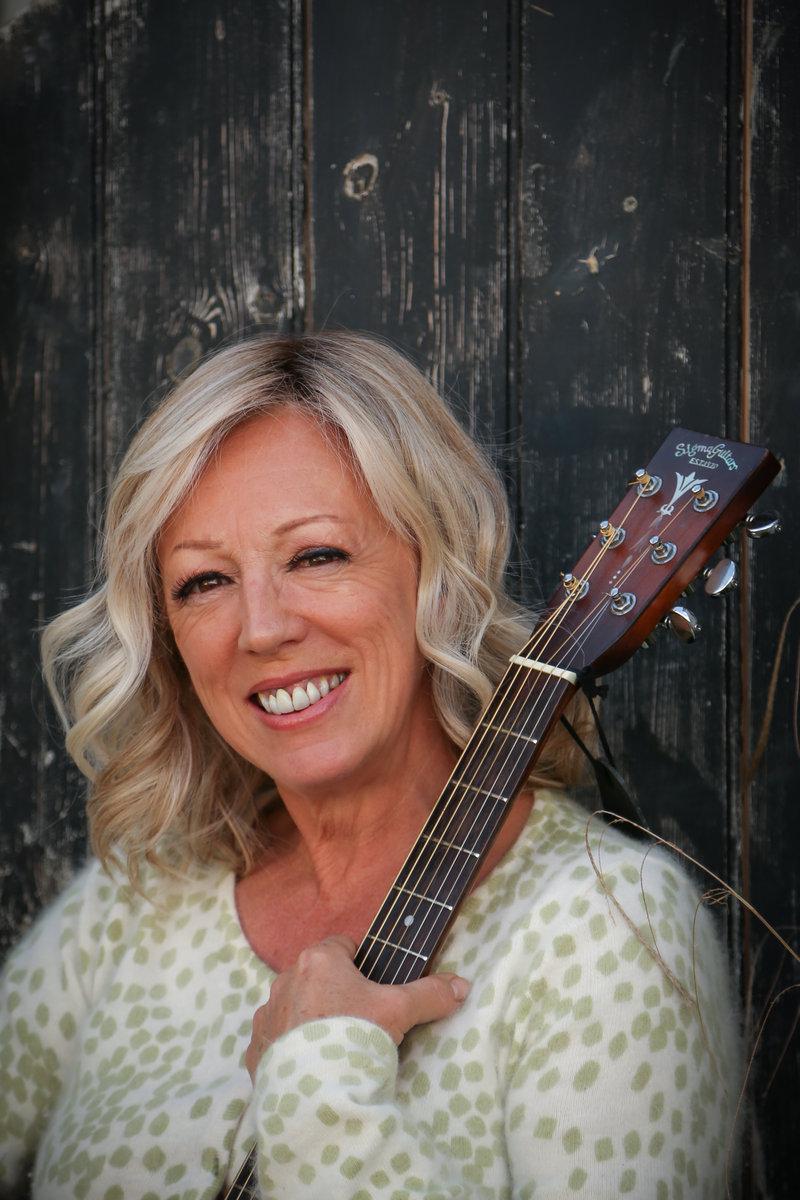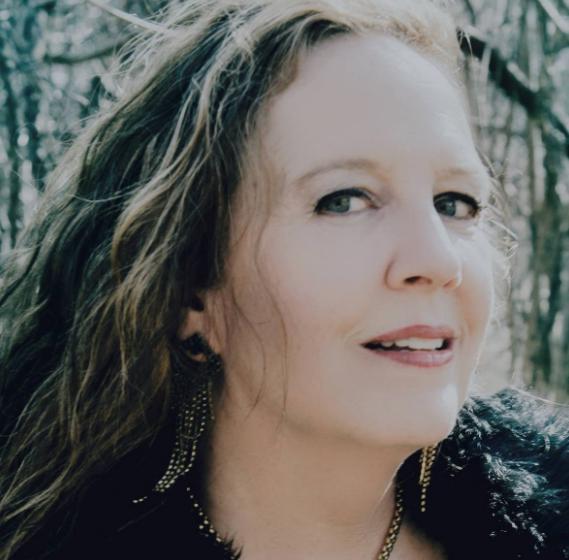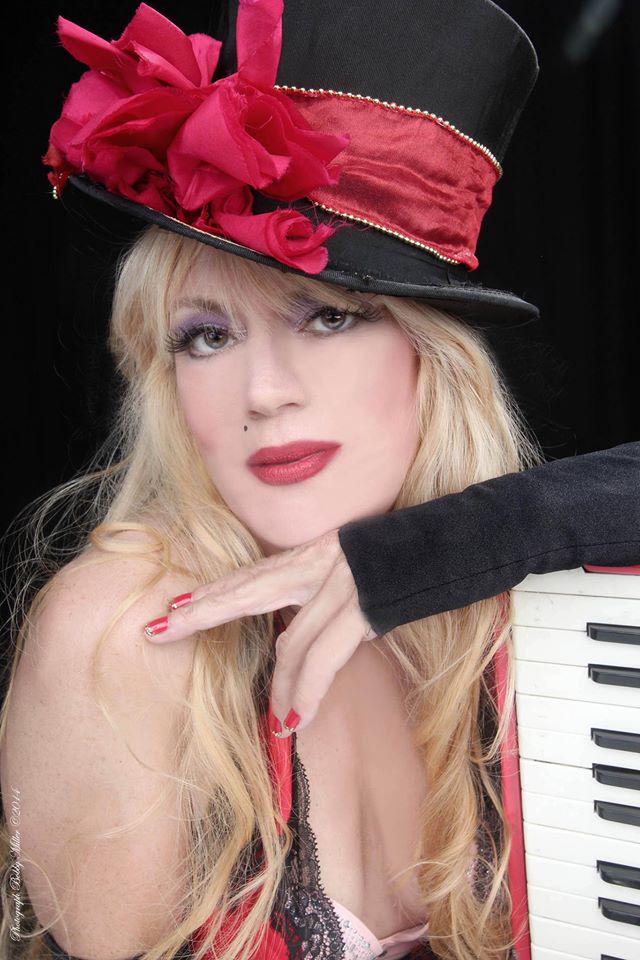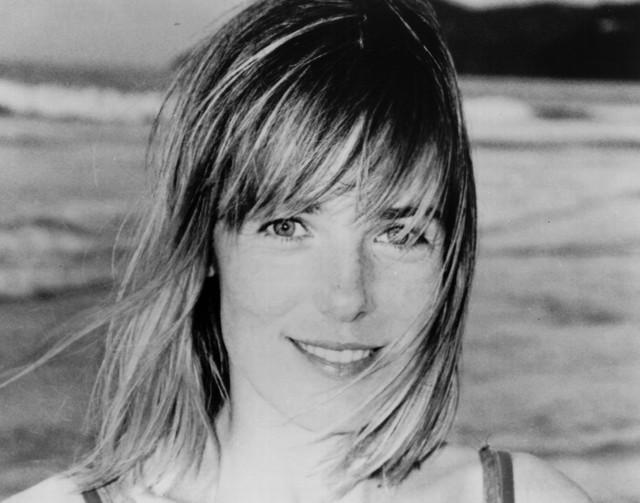
Happy Rhodes

Pop
Indie Pop
Downtempo
 Viberate Rank: 321646
 Viberate Rank: 321646
 Monthly ListenersFollowers
 Subscribers
 Followers
 Followers
 FansTop Spotify Songs
| Track | 7-Day Streams | |
|---|---|---|
1 | 247 | |
2 | 139 | |
3 | 118 | |
4 | 116 | |
5 | 107 |
Top YouTube VideosMonthly ListenersFeatured in Playlists| Playlist | Followers | |
|---|---|---|
1 |  MANTRAS Enara | 86.36K |
2 |  Night (Numero Group) Numero Group Concierge | 11.65K |
3 |  Spiraling (indie & experimental, old and new) L'ESPIRAL | 11.51K |
4 |  Numero Group Guide to Dreampop Numero Group | 8.91K |
5 |  GENREPHOBIC blustre | 6.80K |
Audience| City | Monthly Listeners | |
|---|---|---|
1 |  | 44 |
2 | | 43 |
3 | | 34 |
4 | | 34 |
5 | | 30 |
See full performance history, audience data, playlist activity, rankings, comparisons, and more in Viberate music analytics. Start with a free trial, then continue with a paid plan.
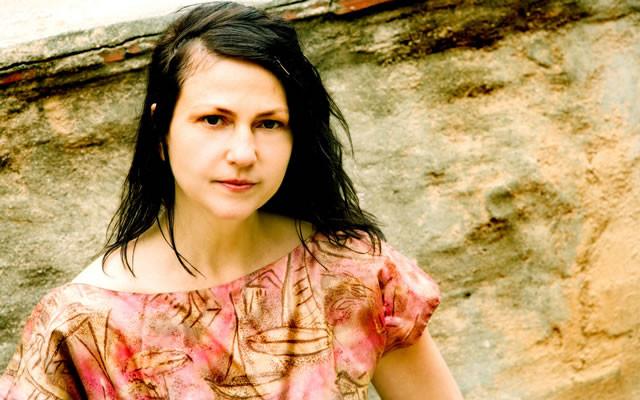
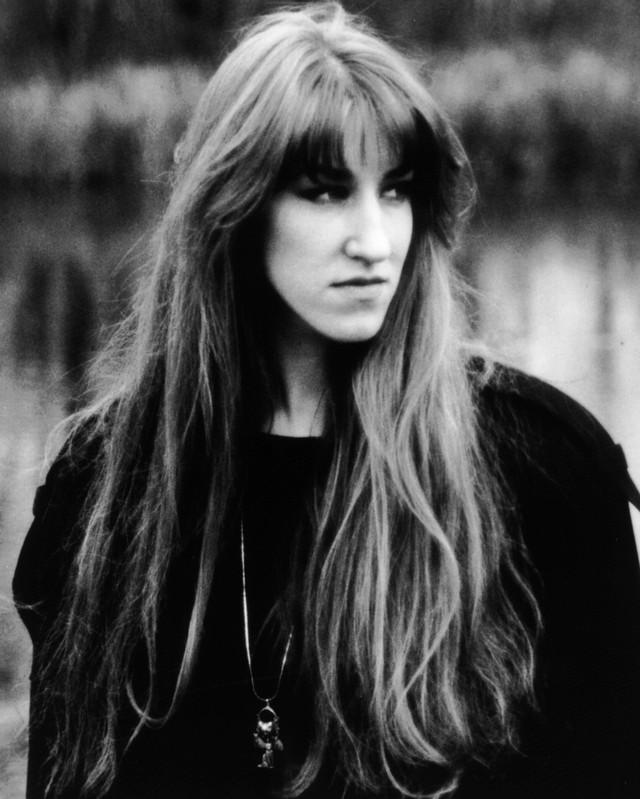
Happy Rhodes’ Spotify BioWith an upper vocal range that rivals Kate Bush's and a lower span that runs alongside Annie Lennox's, songwriter, multi-instrumentalist and studio engineer Happy Rhodes possesses a four-octave instrument that sets her apart from most of her peers. Her self-produced progressive, moody, and unique dream pop recordings from the mid-'80s to the late '90s (best exemplified on the albums Warpaint and Ecto) showcase her unique brand of dreamy, multi-textured, progressive pop that has drawn the appreciation of listeners all over the globe due in no small part to an active, devoted fan base -- who refer to themselves as Ectophiles -- and the internet. Though she took a hiatus from solo recording after 2007's Find Me, in 2016 she joined Security Project, an all-star Peter Gabriel tribute band (their repertoire is drawn almost exclusively from his recordings). Rhodes also builds pro audio equipment for Dangerous Music. In 2018, Numero Group issued Ectotrophia, a retrospective compilation drawn… from her first four albums.
Rhodes was born Kimberly Tyler Rhodes in 1965. Her childhood nickname became her legal one at 16. As a preteen adolescent heavily under the sway of Queen, she began emulating Freddie Mercury and practiced expanding her vocal range to sing along with him in key. She was also taken with the multi-layered approach the band employed on recordings. Her other musical influences included Wendy Carlos' Switched on Bach, Yes, Peter Gabriel-era Genesis, and David Bowie. As a teen she began playing the guitar and writing songs in earnest. Rhodes saw Kate Bush's December 9, 1978 performance on Saturday Night Live and it shifted her focus forever. After being bullied in high school, Rhodes dropped out in the 11th grade -- with the consent of her mother, who supported her dreams -- to pursue music full-time. She was mentored by Pat Tessitore, who founded the Cathedral Sound Studio in a nearby town. She initially interned as a recording engineer, but after her boss heard her sing, all focus was on her singing and original songs. In 1985 he gave her a Roland Juno 106 synthesizer, altering the way she made music. She created a small studio in her apartment and began experimenting with sound, production, writing, and arranging. From 1984-1986, Tessitore recorded Rhodes performing her original material. These early tracks were later issued on a series of cassettes released by Kevin Bartlett and his Aural Gratification Records label: (Happy Rhodes, Vol. 1 and Vol. 2, and Rearmament), and followed them a year later with Ecto. As a duo named Bartlett/Rhodes, she played many live shows during 1987, but no recorded material resulted from the time.
In 1988, fans of Bush, on an internet bulletin board, read about Rhodes from DJ Vickie Williams, who'd discovered her music through a tape-trading network. She began playing it on her radio show Suspended in Gaffa on Kansas City, Missouri's KKFI. The emerging Rhodes' fans had to eventually find their own home apart from the Bush BBS and started their own hub called Ecto. This small group was responsible for expanding Rhodes' cult of fans across the globe.
Happy Rhodes returned to solo status in 1991 with Warpaint, an album that expanded her listening base thanks to heavy airplay of its single "Feed the Fire" on WXPN, Philadelphia's public radio station. She later played a sold-out concert at the city's University Museum Auditorium for her "Ectophiles" and newer fans. A year later, Rhodes' first four albums were given compact disc releases through Aural Gratification. The year 1993 saw the issue of two new albums, Equipoise and RhodeSongs. After the 1994 album Building the Colossus, Rhodes released a full-length of live and unreleased acoustic music as The Keep.
Given the spread of her reputation and the devotion of her growing fan base, the major labels came sniffing. Rhodes entertained a number of offers, but rejected them all due to her insistence on maintaining the rights to her material. She assumed production and engineering duties on her next album, 1998's Many Worlds Are Born Tonight. She signed with the large independent Samson Music to release and distribute the recording. She was able to tour the northeastern United States with a serious touring stage show. "Roy," her single from the set, reached number 42 on Club Play/Dance Music chart. Sales figures were better than most of her previous albums combined, but Samson's owners were more adept at running their successful film division, Gold Circle Films. They dropped Rhodes but their parting was amicable -- Samson returned her unsold records and placed the rights to the masters under her ownership. Rhodes fans produced a small festival called Ectofest in Danbury, Connecticut and Santa Cruz, California in 2000 and 2001, where she headlined the day-long event. In 2001, she self-recorded the album Find Me, which remained unreleased until 2007. A limited-edition, eight-song sampler from the record was sold at a 2005 concert. Musicians on Find Me include guitarist Bon Lozaga and bassists Hansford Rowe and Carl Adami, guitarists Ted Kumpel and Jon Cather, and pianist Rob Schwimmer. Rhodes worked her day job for most of the early 2000s, but continued to write and demo music privately. She also did some studio work with artists ranging from Will Ackerman and Jeff Oster to Han Rowe before officially coming out of retirement to join Security Project as its lead vocalist in 2016. The band--whose other members include Trey Gunn, Jerry Marotta, Michael Cozzi, and keyboardist David Jameson--issued the two-part Live in 2016, and the digital-only Five and the studio album Contact the following year.
In 2018 the Chicago-based record label the Numero Group released a retrospective compilation of 18 songs titled Ectotrophia, drawn from her first four albums, the package includes lyrics and an extensive critical and biographical essay by Erin Osmon. In addition, Security Project's label, 7D Media, reissued her back catalog digitally through Bandcamp. ~ John Bush, Rovi
Viberate is a music analytics platform built for A&Rs, artist managers, labels, booking agents, marketers, and artists.
It helps music professionals track artist growth, analyze audience data, monitor playlist activity, compare artists, follow song performance, and identify opportunities across the music market.
Public artist pages provide a free preview of selected artist data. Paid plans provide access to deeper analytics, historical data, charts, comparisons, playlist tools, exports, alerts, reports, and additional professional features.
Yes. Public Viberate artist pages provide selected artist analytics and music data for free.
Viberate also offers a 7-day free trial of the full platform. A credit card is required to start the trial. The trial includes access to the complete product so users can test deeper artist analytics, historical views, playlist insights, comparisons, charts, exports, alerts, and reporting features before choosing a paid plan.
Viberate provides artist analytics across streaming, playlists, social media, video, radio airplay, songs, and audience markets.
Users can analyze Spotify performance, Spotify and Apple Music playlists, YouTube activity, TikTok and Instagram growth, radio spins, song performance, audience locations, demographics, rankings, and overall artist momentum.
Artist profiles also connect to music charts, similar artists, and comparison tools, helping users benchmark performance and evaluate artists in context.
Viberate updates key artist and track data daily.
For followed artists and tracks, selected data is refreshed multiple times per day. This helps teams monitor playlist changes, streaming movement, audience growth, releases, and campaign performance with more current data.
Update frequency can vary depending on the metric and data source.
Yes. Viberate lets users compare up to five artists side by side across streaming, social media, audience, and engagement metrics.
Users can compare fanbase growth, audience demographics, locations, Spotify performance, social metrics, and other artist data over selected time periods.
Artist comparison can be used for A&R scouting, benchmarking, booking decisions, campaign planning, and evaluating artists with similar audiences or market positions.