HAPA

Pop
Mainstream Pop
Indie Pop
 Viberate Rank: 122946
 Viberate Rank: 122946
 Monthly ListenersFollowers
 Subscribers
 Followers
 Followers
 FansTop Spotify Songs
| Track | 7-Day Streams | |
|---|---|---|
1 | 14.88K | |
2 | 10.70K | |
3 | 4.50K | |
4 | 4.38K | |
5 | 2.34K |
Top YouTube Videos| Video | 7-Day Views | |
|---|---|---|
1 | 234 | |
2 | 200 | |
3 | 124 | |
4 | 85 | |
5 | 47 |
Monthly ListenersFeatured in Playlists| Playlist | Followers | |
|---|---|---|
1 |  All the Aloha: Native Hawaii Spotify | 154.75K |
2 | World music Rasta Teacher | 51.03K |
3 |  Hawaiian Music Stephanie Adachi | 39.32K |
4 |  Traditional Hawaiian Music @Bubby.Gold | 30.84K |
5 |  ディズニー サマー・ソングズ Spotify | 22.65K |
Audience| City | Monthly Listeners | |
|---|---|---|
1 | | 7.44K |
2 | | 1.92K |
3 | | 1.73K |
4 | | 982 |
5 |  | 848 |
See full performance history, audience data, playlist activity, rankings, comparisons, and more in Viberate music analytics. Start with a free trial, then continue with a paid plan.
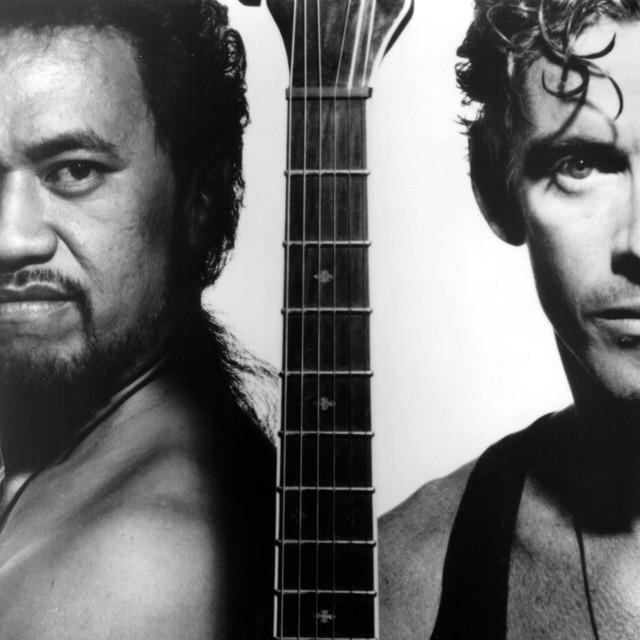
HAPA’s Spotify BioThe Hawaiian duo Hapa teamed singers/guitarists Barry Flanagan and Keli‘i Kaneali‘i, who first met in 1983; deriving their name from a pidgin slang expression for "ethnically mixed, " Kaneali‘i (a Honolulu native) and Flnagan (a product of New Jersey who relocated to Maui in 1979) then spent the next decade honing their distinctive sound, an update of traditional Polynesian textures and rhythms incorporating elements of pop and worldbeat. Building a devoted following throughout the islands, in 1993 Hapa issued their self-titled debut LP; the record was an unprecedented smash, breaking countless sales records on its way to earning six Na Hoku Hanohano awards (the Hawaiian equivalent of the Grammys). The duo's popularity expanded beyond their home state as well, and they became the first Hawaiian act to appear at the Telluride Bluegrass Festival; a Christmas-themed release, Holidays, followed in 1995, and two years later Hapa returned with In the Name of Love, highlighted by a cover of… the U2 hit which lent the record its name. Surf Madness, their second release of 1997, soon followed. ~ Jason Ankeny, Rovi
Viberate is a music analytics platform built for A&Rs, artist managers, labels, booking agents, marketers, and artists.
It helps music professionals track artist growth, analyze audience data, monitor playlist activity, compare artists, follow song performance, and identify opportunities across the music market.
Public artist pages provide a free preview of selected artist data. Paid plans provide access to deeper analytics, historical data, charts, comparisons, playlist tools, exports, alerts, reports, and additional professional features.
Yes. Public Viberate artist pages provide selected artist analytics and music data for free.
Viberate also offers a 7-day free trial of the full platform. A credit card is required to start the trial. The trial includes access to the complete product so users can test deeper artist analytics, historical views, playlist insights, comparisons, charts, exports, alerts, and reporting features before choosing a paid plan.
Viberate provides artist analytics across streaming, playlists, social media, video, radio airplay, songs, and audience markets.
Users can analyze Spotify performance, Spotify and Apple Music playlists, YouTube activity, TikTok and Instagram growth, radio spins, song performance, audience locations, demographics, rankings, and overall artist momentum.
Artist profiles also connect to music charts, similar artists, and comparison tools, helping users benchmark performance and evaluate artists in context.
Viberate updates key artist and track data daily.
For followed artists and tracks, selected data is refreshed multiple times per day. This helps teams monitor playlist changes, streaming movement, audience growth, releases, and campaign performance with more current data.
Update frequency can vary depending on the metric and data source.
Yes. Viberate lets users compare up to five artists side by side across streaming, social media, audience, and engagement metrics.
Users can compare fanbase growth, audience demographics, locations, Spotify performance, social metrics, and other artist data over selected time periods.
Artist comparison can be used for A&R scouting, benchmarking, booking decisions, campaign planning, and evaluating artists with similar audiences or market positions.