Hans Tammen

Electronic
Other Electronic Music
 Viberate Rank: 495512
 Viberate Rank: 495512
 Monthly ListenersFollowers
 Subscribers
 Followers
 Followers
 FansTop Spotify Songs
| Track | 7-Day Streams | |
|---|---|---|
1 | 2 |
Top YouTube VideosMonthly ListenersFeatured in Playlists| Playlist | Followers | |
|---|---|---|
1 | Noise, Electronic, Experimental, Sound Art, #1🔷🔶🔷🔶🔷🔶🔷🔶🔷🔶🔷🔶🔷🔶🔷🔶🔷🔶🔷🔶🔷🔶🔷 consolestereo | 573 |
2 |  The Sound of Experimental Guitar The Sounds of Spotify | 402 |
Audience| City | Monthly Listeners | |
|---|---|---|
1 |  | 3 |
See full performance history, audience data, playlist activity, rankings, comparisons, and more in Viberate music analytics. Start with a free trial, then continue with a paid plan.
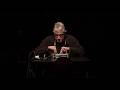
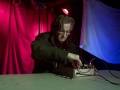
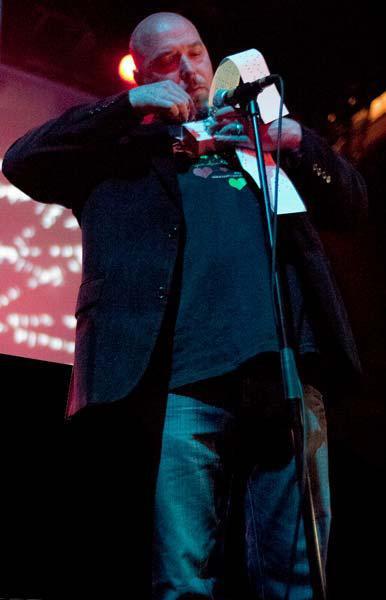
Hans Tammen’s Spotify BioHans Tammen calls his style of performance "endangered guitar," presumably because of the extreme alterations he enacts upon his instrument's sound and construction. Tammen "prepares" his guitar in much the same sense that John Cage prepared the piano; he also processes and manipulates his live sound through a computer system that's based on Cycling 74's Max/MSP program. Tammen was given his first guitar by his grandfather at age 15 -- an old instrument that had been lying in a basement. Influenced by rock groups like Uriah Heep and Deep Purple (the latter's guitarist, Ritchie Blackmore, was an early hero), in 1972 Tammen began playing in bands himself. Tammen also studied classical guitar for a time. He developed an interest in the music of John Coltrane, but his mature style was mostly inspired by guitarist Sonny Sharrock's recorded solo on a live version of Herbie Mann's "Memphis Underground" that Tammen heard in 1979. Sharrock was one of the few jazz-influenced guitarists to… capture the energy and abstract musicality that Coltrane brought to the saxophone; that appealed to Tammen. Thereafter, he began moving toward his present sound-sculpting manner of free improvisation. In the '80s he studied various jazz-based guitar styles, from swing to free. He also played in classical new music ensembles and began using synthesizers, sequencers, and electronic effects. In the '90s, Tammen began integrating his music with other art forms, collaborating with dancers, poets, visual artists, and theatrical artists. He toured the U.S., Canada, Russia, and Mexico. During that decade, he developed and refined his style. He's played and/or recorded with U.S. musicians such as Steve Swell, Dominic Duval, Jay Rosen, Denman Maroney, and Herb Robertson, among others. From 1997 to 1999, he hosted a weekly radio show in Kassel, Germany, devoted to contemporary art music. His first solo CD was released in 1999 on the Nur/Nicht/Nur label. By 2001, Tammen had moved to New York City. He began curating musical events around the city including the "Music and Encounter" series at the Goethe-Institut in 2002 and the laptop music marathon "Hip Chips" at the underground music club Tonic in 2005. During this time he made a one-track contribution to Elliott Sharp's 2001 compilation State of the Union 2.001 and recorded an album in 2005 with violinist Christoph Irmer titled Oxide. He joined Stanley Schumacher's Music Now Ensemble for the 2006 album Sound Textures and joined Alfred 23 Harth, Chris Dahlgren, and Jay Rosen on the 2007 album Expedition: Live at the Knitting Factory, released on the revived label ESP-Disk. ~ Chris Kelsey, Rovi
Viberate is a music analytics platform built for A&Rs, artist managers, labels, booking agents, marketers, and artists.
It helps music professionals track artist growth, analyze audience data, monitor playlist activity, compare artists, follow song performance, and identify opportunities across the music market.
Public artist pages provide a free preview of selected artist data. Paid plans provide access to deeper analytics, historical data, charts, comparisons, playlist tools, exports, alerts, reports, and additional professional features.
Yes. Public Viberate artist pages provide selected artist analytics and music data for free.
Viberate also offers a 7-day free trial of the full platform. A credit card is required to start the trial. The trial includes access to the complete product so users can test deeper artist analytics, historical views, playlist insights, comparisons, charts, exports, alerts, and reporting features before choosing a paid plan.
Viberate provides artist analytics across streaming, playlists, social media, video, radio airplay, songs, and audience markets.
Users can analyze Spotify performance, Spotify and Apple Music playlists, YouTube activity, TikTok and Instagram growth, radio spins, song performance, audience locations, demographics, rankings, and overall artist momentum.
Artist profiles also connect to music charts, similar artists, and comparison tools, helping users benchmark performance and evaluate artists in context.
Viberate updates key artist and track data daily.
For followed artists and tracks, selected data is refreshed multiple times per day. This helps teams monitor playlist changes, streaming movement, audience growth, releases, and campaign performance with more current data.
Update frequency can vary depending on the metric and data source.
Yes. Viberate lets users compare up to five artists side by side across streaming, social media, audience, and engagement metrics.
Users can compare fanbase growth, audience demographics, locations, Spotify performance, social metrics, and other artist data over selected time periods.
Artist comparison can be used for A&R scouting, benchmarking, booking decisions, campaign planning, and evaluating artists with similar audiences or market positions.