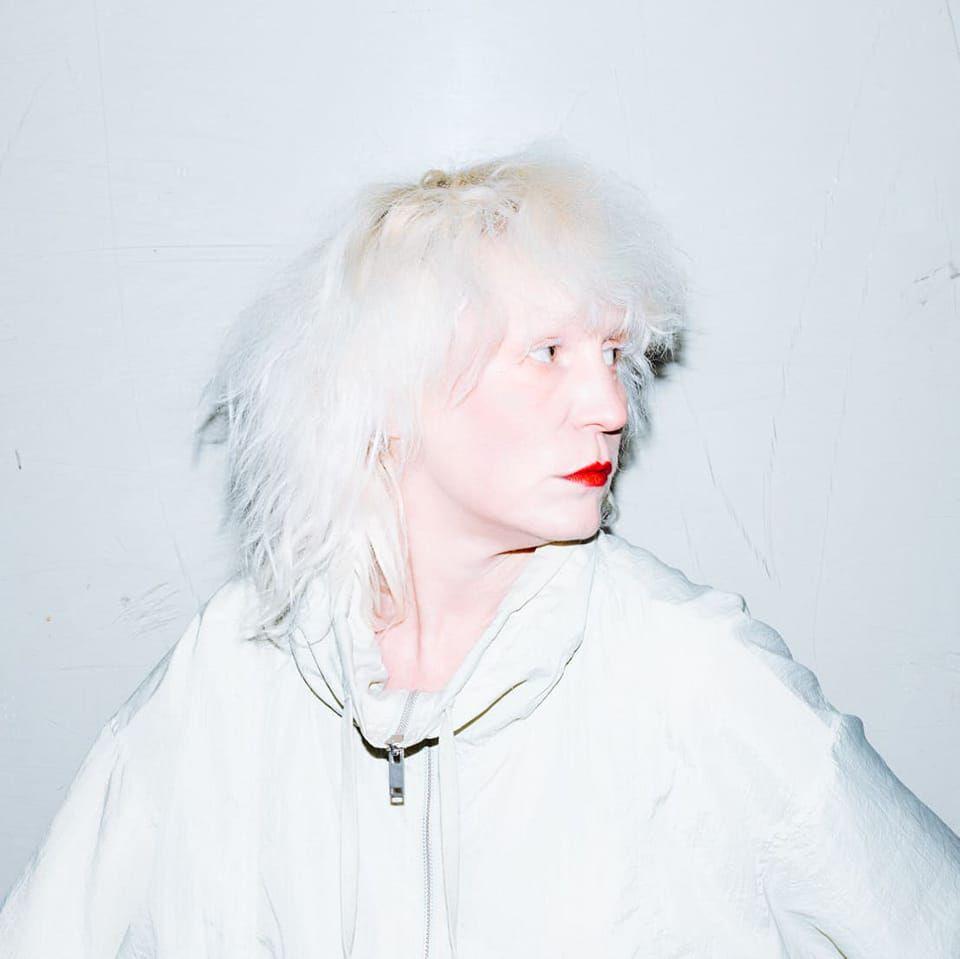
Hanno Leichtmann

Electronic
Downtempo
Other Electronic Music
 Viberate Rank: 525146
 Viberate Rank: 525146
 Monthly ListenersFollowers
 Subscribers
 Followers
 Followers
 FansTop Spotify Songs
| Track | 7-Day Streams | |
|---|---|---|
1 | 20 | |
2 | 5 | |
3 | 5 | |
4 | 5 | |
5 | 4 |
Top YouTube VideosMonthly ListenersFeatured in Playlists| Playlist | Followers | |
|---|---|---|
1 |  JG ~ Dusk Til... 💫 Jacques Greene | 6.51K |
2 | KEXP ~ PACIFIC NOTIONS Hush Hush Records | 4.16K |
3 |  New Age Music Disc Guide // Ambient, Minimalism, Balearic, Fourth World, Kankyo Ongaku Tsunaki Kadowaki 🐾 | 1.89K |
4 |  glitch ambient Michael | 1.11K |
Audience| City | Monthly Listeners | |
|---|---|---|
1 | | 6 |
See full performance history, audience data, playlist activity, rankings, comparisons, and more in Viberate music analytics. Start with a free trial, then continue with a paid plan.
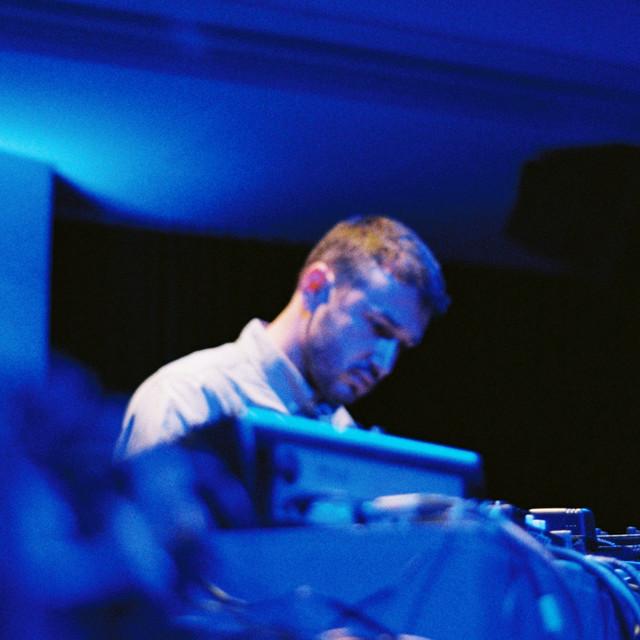
Hanno Leichtmann’s Spotify BioHanno Leichtmann is a German percussionist, sound artist, and composer known for a wide variety of jazz, experimental, and electronic music projects as well as for curating music festivals and events in Berlin. Throughout his many solo and collaborative projects, he mixes improvisation, minimalism, looping/sampling techniques, and elements of pop and folk. He is perhaps best known for his solo project Static, which has released well-received albums such as 2002's Eject Your Mind. Additionally, Leichtmann has released house music as the Vulva String Quartett, experimental solo albums under his own name (including 2006's Nuit du Plomb and 2013's Unfinished Portrait of Youth Today), and collaborated with Jan Jelinek and Andrew Pekler as Groupshow.
Coming from a jazz background, Leichtmann made his solo debut in 1997 with Monolith, a 10" EP of experimental percussive loops on the Bits & Pieces label. That same year, he also began releasing music as part of experimental chanson trio Ich… Schwitze Nie as well as Paloma, his techno-leaning duo with Johannes Strobl. In 1998, Leichtmann collaborated with Strobl and Rupert Huber for a freely improvised jazz album titled Dawn. Leichtmann began releasing music under the solo alias Static in 2001. The melodic downtempo IDM project debuted with singles on labels such as Mermaid and Audio.nl before making its full-length debut in 2002 with Eject Your Mind, released by City Centre Offices. Flavour Has No Name followed in 2003, and Re: Talking About Memories appeared in 2005.
In 2005, Leichtmann debuted house music project the Vulva String Quartett with a series of 12"s on Combination Records. Yet another solo project, Forest Jackson, released the glitchy Cymbalism album on Mosz in 2006. That same year, Leichtmann released a more melodic, ambient album called Nuit du Plomb, his first solo full-length under his own name, on Karaoke Kalk. In 2009, he joined up with Jan Jelinek and Andrew Pekler for a Krautrock-inspired experimental project called Groupshow. The trio's debut album, The Martyrdom of Groupshow, appeared on Pole's ~scape label. In 2010, Leichtmann and Strobl debuted Denseland, their collaboration with percussionist/vocalist David Moss. The trio's first full-length, Chunk, appeared on Mosz.
Leichtmann returned to his Static alias in 2011 with Freedom of Noise, released by Karaoke Kalk. During the same year, the Dekorder label released Leichtmann's soundtrack to Christoph Schlingensief's film The African Twintower Suite. In 2013, Leichtmann launched Picture/Disk, a series of lathe-cut singles, each limited to 23 copies with unique artwork. Also in 2013, Leichtmann's album Minimal Studies was released by Russian label Mikroton Recordings, Denseland's second album Like Likes Like appeared on M=Minimal, and a cassette of brief glitch pieces titled Unfinished Portrait of Youth Today was issued by The Tapeworm (an expanded vinyl edition appeared on Karlrecords two years later). Primitiva, an album of glitchy pieces composed for a four-channel installation at Osthaus Museum in Hagen. Germany, was released by Kompakt-affiliated imprint Exponate in 2016. Leichtmann collaborated with Valerio Tricoli on two LPs issued by Entr'acte: The Future of Discipline (2016) and La Casa delle Chimere (2018). Nouvelle Aventure, another album of pieces composed for an installation, was released by Karlrecords in 2018. ~ Paul Simpson, Rovi
Viberate is a music analytics platform built for A&Rs, artist managers, labels, booking agents, marketers, and artists.
It helps music professionals track artist growth, analyze audience data, monitor playlist activity, compare artists, follow song performance, and identify opportunities across the music market.
Public artist pages provide a free preview of selected artist data. Paid plans provide access to deeper analytics, historical data, charts, comparisons, playlist tools, exports, alerts, reports, and additional professional features.
Yes. Public Viberate artist pages provide selected artist analytics and music data for free.
Viberate also offers a 7-day free trial of the full platform. A credit card is required to start the trial. The trial includes access to the complete product so users can test deeper artist analytics, historical views, playlist insights, comparisons, charts, exports, alerts, and reporting features before choosing a paid plan.
Viberate provides artist analytics across streaming, playlists, social media, video, radio airplay, songs, and audience markets.
Users can analyze Spotify performance, Spotify and Apple Music playlists, YouTube activity, TikTok and Instagram growth, radio spins, song performance, audience locations, demographics, rankings, and overall artist momentum.
Artist profiles also connect to music charts, similar artists, and comparison tools, helping users benchmark performance and evaluate artists in context.
Viberate updates key artist and track data daily.
For followed artists and tracks, selected data is refreshed multiple times per day. This helps teams monitor playlist changes, streaming movement, audience growth, releases, and campaign performance with more current data.
Update frequency can vary depending on the metric and data source.
Yes. Viberate lets users compare up to five artists side by side across streaming, social media, audience, and engagement metrics.
Users can compare fanbase growth, audience demographics, locations, Spotify performance, social metrics, and other artist data over selected time periods.
Artist comparison can be used for A&R scouting, benchmarking, booking decisions, campaign planning, and evaluating artists with similar audiences or market positions.