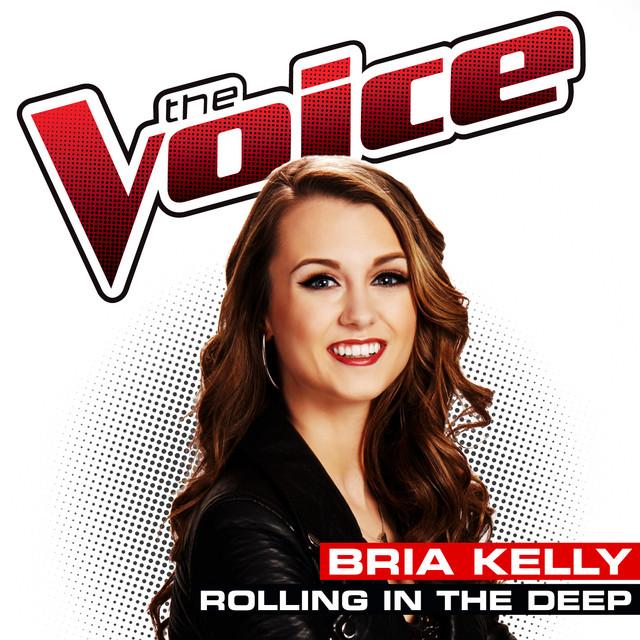
Hannah Huston

Pop
Mainstream Pop
 Viberate Rank: 218120
 Viberate Rank: 218120
 Monthly ListenersFollowers
 Subscribers
 Followers
 Followers
 FansTop Spotify SongsTop YouTube VideosMonthly ListenersFeatured in Playlists
| Playlist | Followers | |
|---|---|---|
1 |  Best of: The Voice Covers Pau Serrato De la P. | 19.85K |
2 |  HAZBIN TUNEZ (Official) 1277507263 | 13.03K |
3 |  The Voice ✌🏻 Fernando Maciel | 9.30K |
4 |  Pharrell's Four-Count Start | THE COMPLETE COLLECTION Sean Bryant | 7.84K |
5 | Texas Blues Rob | 4.41K |
Audience| City | Monthly Listeners | |
|---|---|---|
1 | | 92 |
2 | | 87 |
3 | | 79 |
4 | | 71 |
5 | | 65 |
See full performance history, audience data, playlist activity, rankings, comparisons, and more in Viberate music analytics. Start with a free trial, then continue with a paid plan.
Hannah Huston’s Spotify BioSoul-inspired vocalist Hannah Huston was a preschool teacher in Lincoln, Nebraska when she auditioned for season ten (2016) of the U.S. singing competition The Voice. A native of Grand Island, Huston performed Allen Stone's "Unaware" for the show's coaches. Three of the four -- Pharrell Williams, Christina Aguilera, and Blake Shelton -- wanted her for their teams. Huston selected Williams, and with his support, she reached the season's final four after performances of "Something's Got a Hold on Me" (Etta James), "Rolling in the Deep" (Adele), and "I Can't Make You Love Me" (Bonnie Raitt) among other songs that were, for the most part, classic R&B ballads. Huston ultimately finished second runner up. Immediately after the finale, studio versions of the songs Huston performed throughout the season were gathered for release, and "Every Breath You Take," a dramatic cover of the Police's 1983 number one pop hit, reached the Billboard Hot 100. In late 2016, Huston released her first single… “I Alone Have Loved You”, and was voted to perform the song live on season eleven of The Voice.Since then, she's been hard at work in Nashville writing new music. In the fall of 2019, she released "Never Getting Over You" which is only the beginning of music to come.
Viberate is a music analytics platform built for A&Rs, artist managers, labels, booking agents, marketers, and artists.
It helps music professionals track artist growth, analyze audience data, monitor playlist activity, compare artists, follow song performance, and identify opportunities across the music market.
Public artist pages provide a free preview of selected artist data. Paid plans provide access to deeper analytics, historical data, charts, comparisons, playlist tools, exports, alerts, reports, and additional professional features.
Yes. Public Viberate artist pages provide selected artist analytics and music data for free.
Viberate also offers a 7-day free trial of the full platform. A credit card is required to start the trial. The trial includes access to the complete product so users can test deeper artist analytics, historical views, playlist insights, comparisons, charts, exports, alerts, and reporting features before choosing a paid plan.
Viberate provides artist analytics across streaming, playlists, social media, video, radio airplay, songs, and audience markets.
Users can analyze Spotify performance, Spotify and Apple Music playlists, YouTube activity, TikTok and Instagram growth, radio spins, song performance, audience locations, demographics, rankings, and overall artist momentum.
Artist profiles also connect to music charts, similar artists, and comparison tools, helping users benchmark performance and evaluate artists in context.
Viberate updates key artist and track data daily.
For followed artists and tracks, selected data is refreshed multiple times per day. This helps teams monitor playlist changes, streaming movement, audience growth, releases, and campaign performance with more current data.
Update frequency can vary depending on the metric and data source.
Yes. Viberate lets users compare up to five artists side by side across streaming, social media, audience, and engagement metrics.
Users can compare fanbase growth, audience demographics, locations, Spotify performance, social metrics, and other artist data over selected time periods.
Artist comparison can be used for A&R scouting, benchmarking, booking decisions, campaign planning, and evaluating artists with similar audiences or market positions.