Hammerlock

Metal
Alternative Metal
Hard Rock
Punk Rock
 Viberate Rank: 593138
 Viberate Rank: 593138
 Monthly ListenersFollowers
 Subscribers
 Followers
 Followers
 FansTop Spotify Songs
| Track | 7-Day Streams | |
|---|---|---|
1 | 21 | |
2 | 20 | |
3 | 19 | |
4 | 19 | |
5 | 18 |
Top YouTube VideosMonthly ListenersFeatured in Playlists| Playlist | Followers | |
|---|---|---|
1 |  The Sound of Cowpunk The Sounds of Spotify | 2.73K |
Audience| City | Monthly Listeners | |
|---|---|---|
1 | | 8 |
2 | | 7 |
3 | | 6 |
4 | | 6 |
5 | | 6 |
See full performance history, audience data, playlist activity, rankings, comparisons, and more in Viberate music analytics. Start with a free trial, then continue with a paid plan.
Hammerlock’s Spotify BioEver since Hammerlock's formation in the mid-‘90s, reviewers have been finding interesting ways to describe the power trio's Southern-friend sound. Hammerlock has been called everything from a punk version of Lynyrd Skynyrd to a redneck metal band, and the outfit definitely has a distinctive, fresh-sounding way of fusing alternative metal, Southern rock, and punk. Bringing a wide variety of influences to the table, Hammerlock could be described as a raucous, forceful, in-your-face blend of Motörhead, Lynyrd Skynyrd, the Outlaws, and Black Flag -- an unlikely combination, but one that works amazingly well, and one that has earned the threesome a small yet extremely loyal and enthusiastic cult following. Hammerlock hasn't been headlining large sports arenas, but if the group plays a small club, the hardcore fans who show up tend to be incredibly passionate about being there.
Hammerlock was formed in San Francisco in 1995, when the husband-and-wife team of Travis (guitar, vocals) and Liza… Kenney (bass, vocals) got the ball rolling. The Kenneys needed a drummer, and the person they ended up hiring was Marco Beltran. From the beginning, Hammerlock went for a redneck image -- the Kenneys thrived on redneck stereotypes, and Travis Kenney loved the stereotype of the hell-raisin', shotgun-totin', whiskey-drinkin' outlaw. San Francisco, of course, isn't exactly known for its surplus of good ol' boys, which may explain why the Kenneys have done well in that city -- Hammerlock is so atypical of Bay Area bands and Northern Californians seemed to love the fact that they dared to be different. But after Hammerlock started to tour and record, they became more than just a local Bay Area attraction; Hammerlock struck a chord with good ol' boys all over the United States. And the fact that Hammerlock's members lived in the Bay Area didn't seem to hurt their good ol' boy (and in Liza's case, good ol' gal) credentials; fans could tell that, like comedian Jeff Foxworthy, they were laughing with rednecks rather than laughing at them. It's all a matter of context; white rapper Eminem can embrace stereotypical images of inner-city hip-hop culture and still command respect in the rap world because it is obvious that he is expressing solidarity and respect -- instead of laughing at Ice-T, Snoop Doggy Dogg, Too Short or Dr. Dre, he is identifying with them. And similarly, Hammerlock's country-fried metal/punk/Southern rock boogie isn't ridiculing rednecks, it is celebrating them and putting them up on a pedestal.
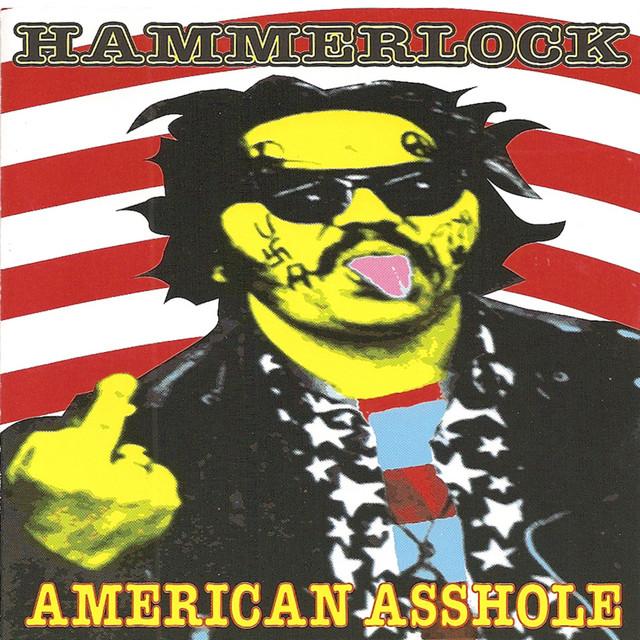
It was in the late ‘90s that Hammerlock started recording. In 1997, the trio signed with Man's Ruin Records (a small independent label based in San Francisco) and recorded the single "Knock Her Out"/"Battlefield." Hammerlock's debut album, American Asshole, was released by Man's Ruin in 1998. That release was followed by Hammerlock's second album, Anthems for Outlaws, in 2000. After that, Hammerlock left Man's Ruin and signed with the Philadelphia-based Steel Cage Records, which released Hammerlock's third album, Barefoot and Pregnant, in 2001. ~ Alex Henderson, Rovi
Viberate is a music analytics platform built for A&Rs, artist managers, labels, booking agents, marketers, and artists.
It helps music professionals track artist growth, analyze audience data, monitor playlist activity, compare artists, follow song performance, and identify opportunities across the music market.
Public artist pages provide a free preview of selected artist data. Paid plans provide access to deeper analytics, historical data, charts, comparisons, playlist tools, exports, alerts, reports, and additional professional features.
Yes. Public Viberate artist pages provide selected artist analytics and music data for free.
Viberate also offers a 7-day free trial of the full platform. A credit card is required to start the trial. The trial includes access to the complete product so users can test deeper artist analytics, historical views, playlist insights, comparisons, charts, exports, alerts, and reporting features before choosing a paid plan.
Viberate provides artist analytics across streaming, playlists, social media, video, radio airplay, songs, and audience markets.
Users can analyze Spotify performance, Spotify and Apple Music playlists, YouTube activity, TikTok and Instagram growth, radio spins, song performance, audience locations, demographics, rankings, and overall artist momentum.
Artist profiles also connect to music charts, similar artists, and comparison tools, helping users benchmark performance and evaluate artists in context.
Viberate updates key artist and track data daily.
For followed artists and tracks, selected data is refreshed multiple times per day. This helps teams monitor playlist changes, streaming movement, audience growth, releases, and campaign performance with more current data.
Update frequency can vary depending on the metric and data source.
Yes. Viberate lets users compare up to five artists side by side across streaming, social media, audience, and engagement metrics.
Users can compare fanbase growth, audience demographics, locations, Spotify performance, social metrics, and other artist data over selected time periods.
Artist comparison can be used for A&R scouting, benchmarking, booking decisions, campaign planning, and evaluating artists with similar audiences or market positions.