Half Past Two

R&B
Funk
Ska Punk
 Viberate Rank: 154907
 Viberate Rank: 154907
 Monthly ListenersFollowers
 Subscribers
 Followers
 Followers
 FansTop Spotify Songs
| Track | 7-Day Streams | |
|---|---|---|
1 | 5.58K | |
2 | 4.61K | |
3 | 1.75K | |
4 | 1.61K | |
5 | 1.28K |
Top YouTube VideosMonthly ListenersFeatured in Playlists| Playlist | Followers | |
|---|---|---|
1 | SKA Kevin McLaughlin | 111.43K |
2 |  Ska Punk Essentials Kousa_cs | 33.50K |
3 | Ska Punk Käptn Koala | 23.09K |
4 |  uPBEAt hAPPy mUSIc kaleb.dedrick | 13.13K |
5 | Ska Covers Eric Swendsen | 8.67K |
Audience| City | Monthly Listeners | |
|---|---|---|
1 | | 303 |
2 | | 287 |
3 |  | 280 |
4 | | 236 |
5 | | 226 |
See full performance history, audience data, playlist activity, rankings, comparisons, and more in Viberate music analytics. Start with a free trial, then continue with a paid plan.
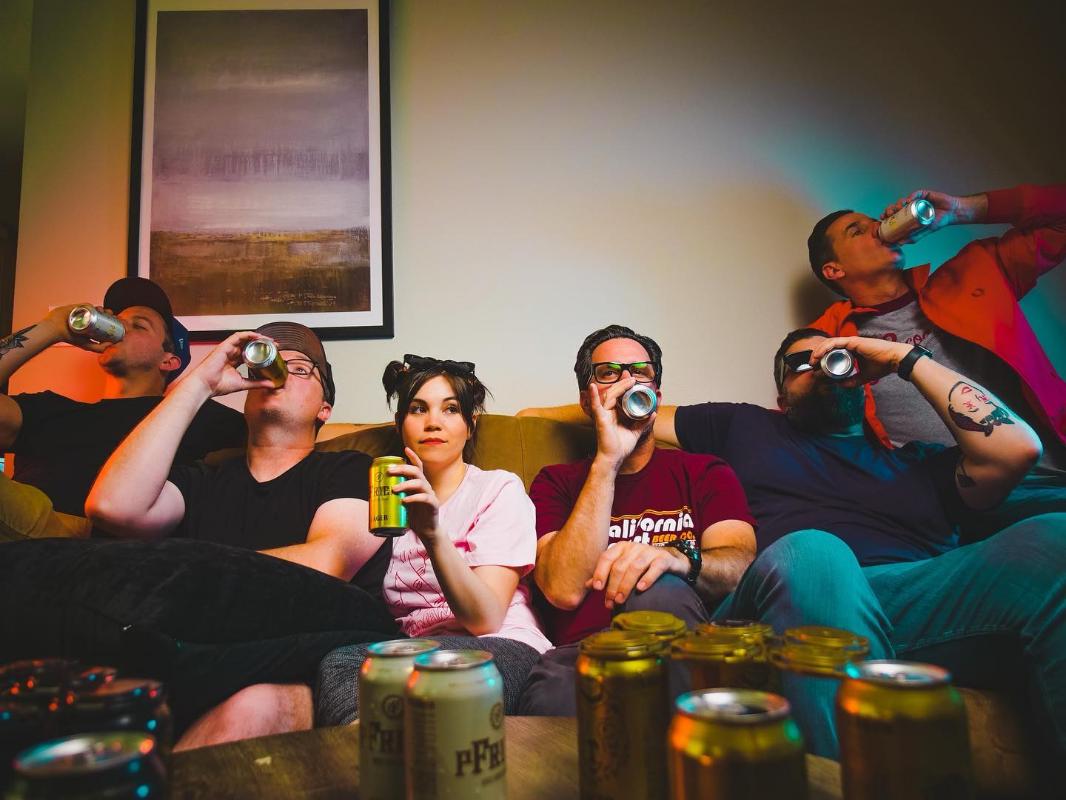
Half Past Two’s Spotify BioHaving formed in 2006, Half Past Two are veterans of the ever-thriving Orange County ska scene, but their forward-thinking approach also aligns them with ska’s current “New Tone” movement. After first coming together with Bad Time Records on 2020’s ‘Ska Against Racism’ compilation, the band and label have finally teamed up for a new full length LP. ‘Talk Is Killing Me’ shows the band building on their ska punk roots to evolve musically and stylistically, at times being more aggressive yet also more heavily introspective than the band’s previous work. Produced by Reade Wolcott of We Are The Union, the album is filled with pop-hooks backed by a rhythm section that flies the flag of “bubblegum ska” while displaying chops clearly suitable for heavier punk and indie stylings. Fans of the band’s 15+ year career will feel the evolution of their sound emanating from this record… pop-sensibilities mixed with fun and joy, but with a more “grown up” edge and heavier subject matter to reflect the… realities of the modern world. The “Orange County sound” was due for a makeover, and this new effort from Half Past Two is certainly right on time.
Viberate is a music analytics platform built for A&Rs, artist managers, labels, booking agents, marketers, and artists.
It helps music professionals track artist growth, analyze audience data, monitor playlist activity, compare artists, follow song performance, and identify opportunities across the music market.
Public artist pages provide a free preview of selected artist data. Paid plans provide access to deeper analytics, historical data, charts, comparisons, playlist tools, exports, alerts, reports, and additional professional features.
Yes. Public Viberate artist pages provide selected artist analytics and music data for free.
Viberate also offers a 7-day free trial of the full platform. A credit card is required to start the trial. The trial includes access to the complete product so users can test deeper artist analytics, historical views, playlist insights, comparisons, charts, exports, alerts, and reporting features before choosing a paid plan.
Viberate provides artist analytics across streaming, playlists, social media, video, radio airplay, songs, and audience markets.
Users can analyze Spotify performance, Spotify and Apple Music playlists, YouTube activity, TikTok and Instagram growth, radio spins, song performance, audience locations, demographics, rankings, and overall artist momentum.
Artist profiles also connect to music charts, similar artists, and comparison tools, helping users benchmark performance and evaluate artists in context.
Viberate updates key artist and track data daily.
For followed artists and tracks, selected data is refreshed multiple times per day. This helps teams monitor playlist changes, streaming movement, audience growth, releases, and campaign performance with more current data.
Update frequency can vary depending on the metric and data source.
Yes. Viberate lets users compare up to five artists side by side across streaming, social media, audience, and engagement metrics.
Users can compare fanbase growth, audience demographics, locations, Spotify performance, social metrics, and other artist data over selected time periods.
Artist comparison can be used for A&R scouting, benchmarking, booking decisions, campaign planning, and evaluating artists with similar audiences or market positions.