Half Man Half Biscuit

Punk
Punk Rock
Alternative Rock
Indie Rock
 Viberate Rank: 113936
 Viberate Rank: 113936
 Monthly ListenersFollowers
 Subscribers
 Followers
 Followers
 FansTop Spotify Songs
| Track | 7-Day Streams | |
|---|---|---|
1 | 2.72K | |
2 | 2.69K | |
3 | 1.91K | |
4 | 1.38K | |
5 | 1.37K |
Top YouTube VideosMonthly ListenersFeatured in Playlists| Playlist | Followers | |
|---|---|---|
1 | British Punk Rock (1976 - Present) Punkyn | 14.78K |
2 |  non-christmassy christmas songs aleay7654 | 13.10K |
3 |  NME C86, C87, C88, C89, C90 & C91: Indie Cassette Classics Cherry Red Records | 7.72K |
4 |  Xadrez Verbal - Oficial Matias Pinto | 6.33K |
5 |  the jangle pop masterlist Arielle | 5.97K |
Audience| City | Monthly Listeners | |
|---|---|---|
1 | | 3.25K |
2 | | 2.13K |
3 | | 940 |
4 | | 925 |
5 | | 509 |
See full performance history, audience data, playlist activity, rankings, comparisons, and more in Viberate music analytics. Start with a free trial, then continue with a paid plan.
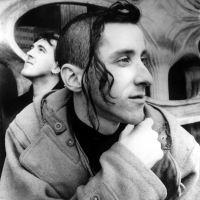
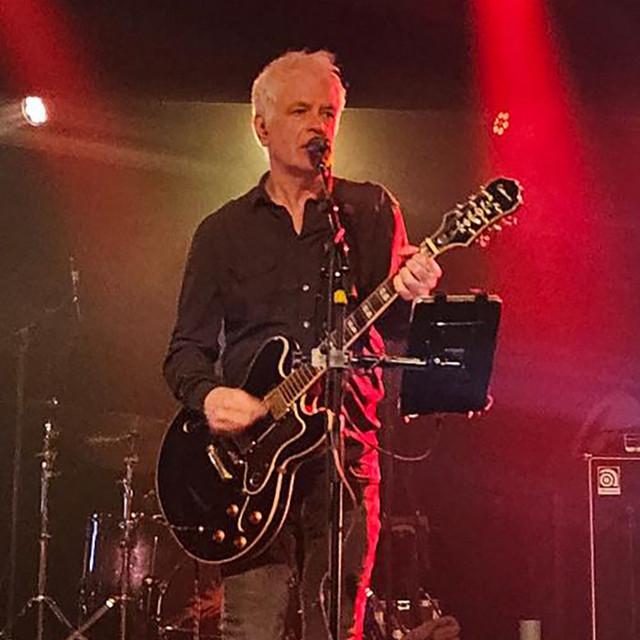
Half Man Half Biscuit’s Spotify BioThe acerbic post-punk outfit Half Man Half Biscuit was formed in Birkenhead, England in 1984 by singer/guitarist Nigel Blackwell, his guitarist brother Si, bassist Neil Crossley, and drummer Paul Wright. While still languishing in relative obscurity, they entered the studio in 1985 to record their debut LP, Back in the D.H.S.S. Upon its release, the five-piece swiftly became known for their razor-sharp, biting, lyrical content, and earned the endorsement of venerable DJ John Peel. The album quickly grabbed the top spot on the U.K. indie charts, and eventually ranked as the best-selling independent record of 1986. It was a work that showcased their ability to sing about social problems, like unemployment, under a veil of barbed humor. A 1986 EP, Trumpton Riots, followed Back in the D.H.S.S. to number one, but Half Man Half Biscuit shunned the spotlight; they refused several offers to perform on TV, and while enjoying a major hit with the single "Dickie Davies' Eyes," announced their… breakup in the autumn of 1986. A collection of B-sides and unreleased material, Back Again in the D.H.S.S., followed a year later; finally, in 1990, the Blackwell brothers and Crossley re-formed the band, issuing the LP McIntyre, Treadmore & Davitt in 1991. However, the next album, This Leaden Pall, saw the departure of Wright and Lloyd; Blackwell's brother Simon left the following year. Carl Alty joined the band on drums, along with Ian S. Jackson. Both eventually left in 1996 to be replaced by Carl Henry on drums and Ken Hancock on guitar. Following the lineup changes, the ensuing period proved to be stable and productive for the band. After their brief breakup and re-formation, they continued to produce new records every couple of years or so. They put out their 13th record, Urge for Offal, in 2014 and 2016 saw the release of a collection called And Some Fell on Stony Ground, which was composed of non-album tracks, B-sides, and EP releases. Much like previous Half Man Half Biscuit recordings, it mixed humor and bleakness in equal measure. They returned in 2018 with their 14th LP, No-one Cares About Your Creative Hub So Get Your Fuckin Hedge Cut. ~ Jason Ankeny, Rovi
Viberate is a music analytics platform built for A&Rs, artist managers, labels, booking agents, marketers, and artists.
It helps music professionals track artist growth, analyze audience data, monitor playlist activity, compare artists, follow song performance, and identify opportunities across the music market.
Public artist pages provide a free preview of selected artist data. Paid plans provide access to deeper analytics, historical data, charts, comparisons, playlist tools, exports, alerts, reports, and additional professional features.
Yes. Public Viberate artist pages provide selected artist analytics and music data for free.
Viberate also offers a 7-day free trial of the full platform. A credit card is required to start the trial. The trial includes access to the complete product so users can test deeper artist analytics, historical views, playlist insights, comparisons, charts, exports, alerts, and reporting features before choosing a paid plan.
Viberate provides artist analytics across streaming, playlists, social media, video, radio airplay, songs, and audience markets.
Users can analyze Spotify performance, Spotify and Apple Music playlists, YouTube activity, TikTok and Instagram growth, radio spins, song performance, audience locations, demographics, rankings, and overall artist momentum.
Artist profiles also connect to music charts, similar artists, and comparison tools, helping users benchmark performance and evaluate artists in context.
Viberate updates key artist and track data daily.
For followed artists and tracks, selected data is refreshed multiple times per day. This helps teams monitor playlist changes, streaming movement, audience growth, releases, and campaign performance with more current data.
Update frequency can vary depending on the metric and data source.
Yes. Viberate lets users compare up to five artists side by side across streaming, social media, audience, and engagement metrics.
Users can compare fanbase growth, audience demographics, locations, Spotify performance, social metrics, and other artist data over selected time periods.
Artist comparison can be used for A&R scouting, benchmarking, booking decisions, campaign planning, and evaluating artists with similar audiences or market positions.