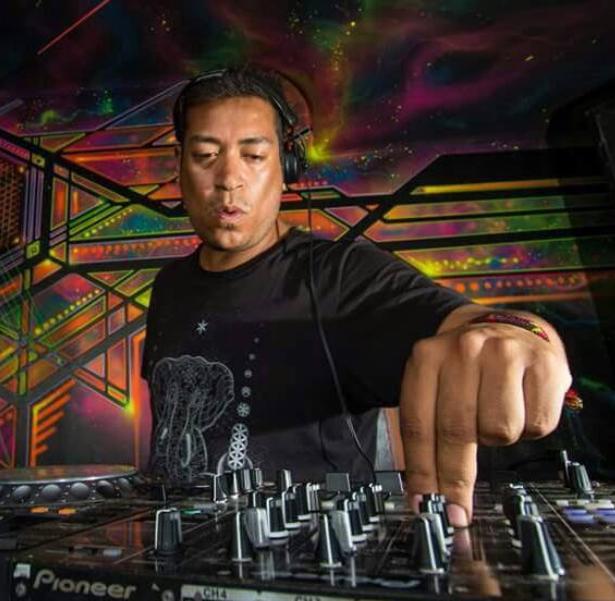
Haffman

Electronic
Psy Trance
 Viberate Rank: 509604
 Viberate Rank: 509604
 Monthly ListenersFollowers
 Subscribers
 Followers
 Followers
 FansTop Spotify SongsTop YouTube VideosMonthly ListenersFeatured in Playlists
| Playlist | Followers | |
|---|---|---|
1 |  Psychedelic Trance Marcel Huber | 65.83K |
2 |  Rave Space Music / (PsyTrance - Prog-Trance - Psychedelic - Hi-Tech - Darkpsy - Full On) Brandon Alexis González | 3.49K |
3 |  Prog Dark João Vitor Félix | 3.38K |
4 | TRANCE GYM WORKOUT ASHUTOSH NANNAWARE | 2.83K |
5 | PsyTrance 🛸 Alex CH | 2.65K |
Audience| City | Monthly Listeners | |
|---|---|---|
1 | | 38 |
2 | | 9 |
3 |  | 8 |
4 |  | 5 |
5 |  | 5 |
See full performance history, audience data, playlist activity, rankings, comparisons, and more in Viberate music analytics. Start with a free trial, then continue with a paid plan.
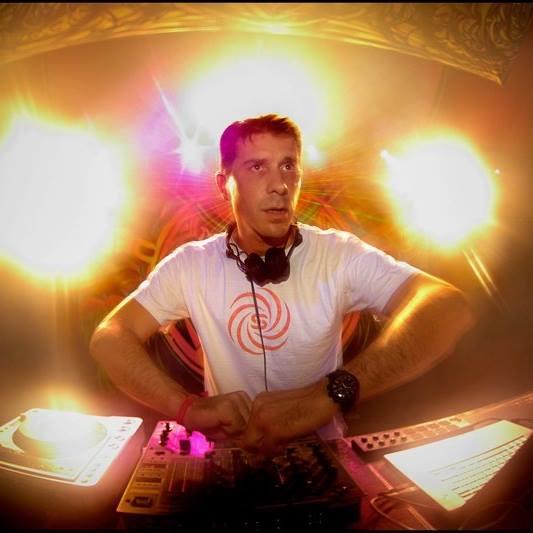
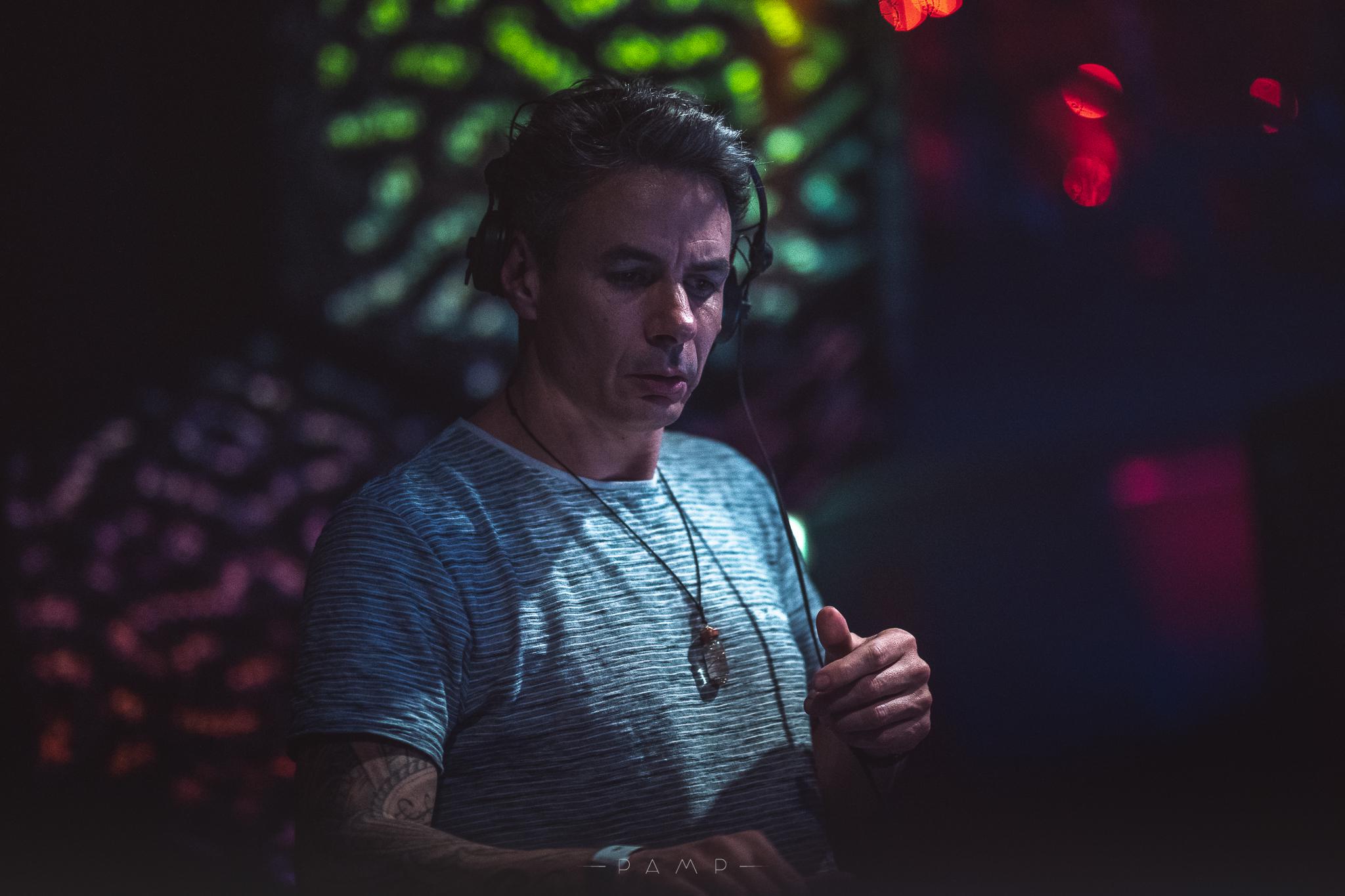
Haffman’s Spotify BioHaffman, also known as Carlos, emerged in the underground scene as a Dj in Mexico City back in 2002. In 2007, Haffman and his partner Israel Herrera aka Holon started a collaboration project called "InLakEch" to catch the attention of the audience with 100% originally produced psychedelic trance material. After many years of writing Psychedelic trance music for his project as InLakEch, Haffman also started to spend more time listening to Progressive trance and experimenting with plenty of other music styles. In 2012, he decided to combine these multiple styles and to give life to a new one, that he loves to refer as Serious Psychedelic Progressive Trance - a hybrid and innovative sound. His completely unique style induces a hypnotic feeling, along with a totally dancefloor explosion. His beats, synths and elegant percussion are perfect for morning hours and have bounced crowds at numerous festivals in many countries around the globe, including Croatia, Greece, Astria, Italy, France ,… Germany, Brazil, Japan and up and down México. Haffman has been surprising and exhilarating audiences around the world for the past couple of years, and his unique and irreverent sound made him one of the most appreciated psychedelic trance writers.
Viberate is a music analytics platform built for A&Rs, artist managers, labels, booking agents, marketers, and artists.
It helps music professionals track artist growth, analyze audience data, monitor playlist activity, compare artists, follow song performance, and identify opportunities across the music market.
Public artist pages provide a free preview of selected artist data. Paid plans provide access to deeper analytics, historical data, charts, comparisons, playlist tools, exports, alerts, reports, and additional professional features.
Yes. Public Viberate artist pages provide selected artist analytics and music data for free.
Viberate also offers a 7-day free trial of the full platform. A credit card is required to start the trial. The trial includes access to the complete product so users can test deeper artist analytics, historical views, playlist insights, comparisons, charts, exports, alerts, and reporting features before choosing a paid plan.
Viberate provides artist analytics across streaming, playlists, social media, video, radio airplay, songs, and audience markets.
Users can analyze Spotify performance, Spotify and Apple Music playlists, YouTube activity, TikTok and Instagram growth, radio spins, song performance, audience locations, demographics, rankings, and overall artist momentum.
Artist profiles also connect to music charts, similar artists, and comparison tools, helping users benchmark performance and evaluate artists in context.
Viberate updates key artist and track data daily.
For followed artists and tracks, selected data is refreshed multiple times per day. This helps teams monitor playlist changes, streaming movement, audience growth, releases, and campaign performance with more current data.
Update frequency can vary depending on the metric and data source.
Yes. Viberate lets users compare up to five artists side by side across streaming, social media, audience, and engagement metrics.
Users can compare fanbase growth, audience demographics, locations, Spotify performance, social metrics, and other artist data over selected time periods.
Artist comparison can be used for A&R scouting, benchmarking, booking decisions, campaign planning, and evaluating artists with similar audiences or market positions.