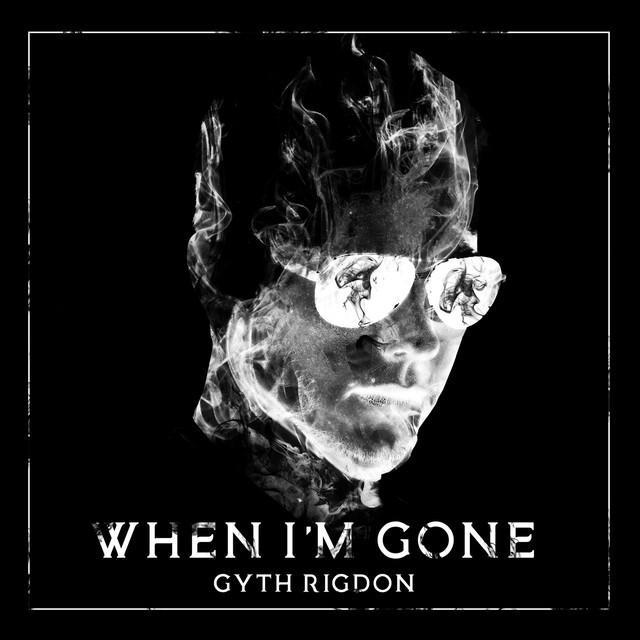
Gyth Rigdon

Country
Americana/Alt Country
 Viberate Rank: 173933
 Viberate Rank: 173933
 Monthly ListenersFollowers
 Subscribers
 Followers
 Followers
 FansTop Spotify Songs
| Track | 7-Day Streams | |
|---|---|---|
1 | 1.90K | |
2 | 428 | |
3 | 428 | |
4 | 391 | |
5 | 253 |
Top YouTube VideosMonthly ListenersFeatured in Playlists| Playlist | Followers | |
|---|---|---|
1 | New Country “Meant to be” heard chelseamarie911 | 11.51K |
2 | Red Dirt Texas Country robertd_05 | 4.37K |
3 |  Trucking Sondre Eek | 4.30K |
4 | The Ultimate Country Playlist Olivia Laura | 4.05K |
5 |  Best of Old and New Country Kyle Miller | 3.28K |
Audience| City | Monthly Listeners | |
|---|---|---|
1 | | 265 |
2 | | 231 |
3 | | 220 |
4 | | 149 |
5 | | 142 |
See full performance history, audience data, playlist activity, rankings, comparisons, and more in Viberate music analytics. Start with a free trial, then continue with a paid plan.
Gyth Rigdon’s Spotify BioGyth Rigdon made a splash in early 2019 on NBC's The Voice, finishing in second place on the show's 16th season. During his run on the show, Rigdon distinguished himself as a son of the South, as comfortable singing blues as he was singing country. He developed this blend in the decade prior to The Voice, gigging regularly and releasing independent records, all showcasing his lean twang.
A native of the small Louisiana town of Singer, Gyth Rigdon grew up working on his family's race horse farm. As a child, he sang in the church and as he got older, he started to unwind with a guitar, an interest that soon blossomed into original songwriting. Once he graduated from high school, he set his sights on performing, eventually working his way up to opening for such regional stars as Johnny Lee.
Rigdon also started entering talent competitions, including the early 2010s reality TV show The Sound. Around the same time, he contributed to the 2013 film How to Love a Geek, relocated to Nashville,… and began releasing independent recordings. The EP When I Began arrived in 2016, with the full-length When I'm Gone following two years later. During this time, he steadily acquired more prominent opening gigs, supporting the likes of Jake Owen, Gary Allan, and Andy Grammer.
In 2019, Rigdon participated in the 16th season of NBC's The Voice. During his stint on the show, he was coached by Blake Shelton and he gained some headlines for his version of Lee Greenwood's "God Bless the USA." Rigdon wound up taking second place on his season of The Voice. ~ Stephen Thomas Erlewine, Rovi
Viberate is a music analytics platform built for A&Rs, artist managers, labels, booking agents, marketers, and artists.
It helps music professionals track artist growth, analyze audience data, monitor playlist activity, compare artists, follow song performance, and identify opportunities across the music market.
Public artist pages provide a free preview of selected artist data. Paid plans provide access to deeper analytics, historical data, charts, comparisons, playlist tools, exports, alerts, reports, and additional professional features.
Yes. Public Viberate artist pages provide selected artist analytics and music data for free.
Viberate also offers a 7-day free trial of the full platform. A credit card is required to start the trial. The trial includes access to the complete product so users can test deeper artist analytics, historical views, playlist insights, comparisons, charts, exports, alerts, and reporting features before choosing a paid plan.
Viberate provides artist analytics across streaming, playlists, social media, video, radio airplay, songs, and audience markets.
Users can analyze Spotify performance, Spotify and Apple Music playlists, YouTube activity, TikTok and Instagram growth, radio spins, song performance, audience locations, demographics, rankings, and overall artist momentum.
Artist profiles also connect to music charts, similar artists, and comparison tools, helping users benchmark performance and evaluate artists in context.
Viberate updates key artist and track data daily.
For followed artists and tracks, selected data is refreshed multiple times per day. This helps teams monitor playlist changes, streaming movement, audience growth, releases, and campaign performance with more current data.
Update frequency can vary depending on the metric and data source.
Yes. Viberate lets users compare up to five artists side by side across streaming, social media, audience, and engagement metrics.
Users can compare fanbase growth, audience demographics, locations, Spotify performance, social metrics, and other artist data over selected time periods.
Artist comparison can be used for A&R scouting, benchmarking, booking decisions, campaign planning, and evaluating artists with similar audiences or market positions.