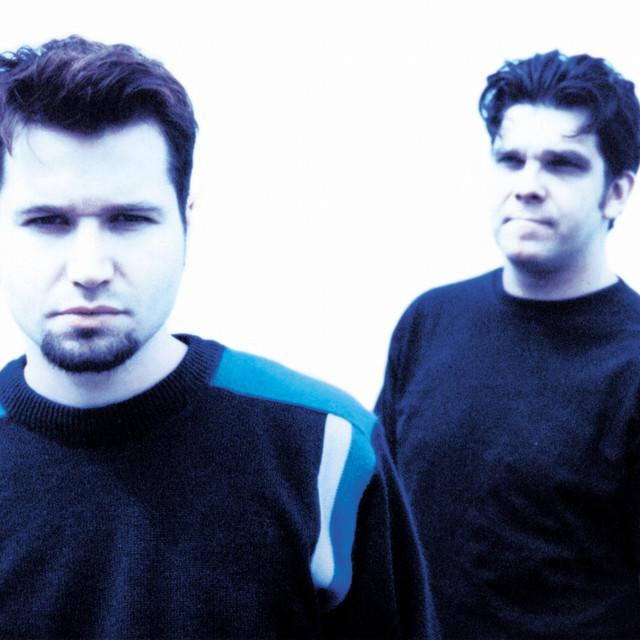
Guilt

Punk
Hardcore Punk
Post Hardcore
 Viberate Rank: 720123
 Viberate Rank: 720123
 Monthly ListenersFollowers
 Subscribers
 Followers
 Followers
 FansTop Spotify Songs
| Track | 7-Day Streams | |
|---|---|---|
1 | 29 | |
2 | 26 | |
3 | 12 | |
4 | 11 | |
5 | 6 |
Top YouTube VideosMonthly ListenersFeatured in PlaylistsAudience| City | Monthly Listeners | |
|---|---|---|
1 |  | 16 |
2 | | 6 |
3 | | 4 |
4 | | 4 |
5 | | 4 |
See full performance history, audience data, playlist activity, rankings, comparisons, and more in Viberate music analytics. Start with a free trial, then continue with a paid plan.
Guilt’s Spotify BioGuilt's impact and overall relevance went largely unrecognized during their six-year tenure as an intense and emotive über-indie-noise-metal-hardcore band. Their songs combined the best elements of several genres without sounding contrived, and managed to evoke soulful emotion and raise thought-provoking questions within the confines of a musical style typically confined to mundane "evil" topics and horror imagery. Guilt evolved from the band Stepdown, which formed in 1991 with former Endpoint drummer Lee Fetzer and Endpoint bassist Kyle Noltemeyer on guitar, Christian McCoy on bass, powerhouse drummer Jon Smith, and Endpoint guitarist Duncan Barlow on vocals. Stepdown were fiercely political and rabidly confrontational, going head to head with the Nazi faction of the Louisville scene on more than one occasion. As Barlow's own personal battle with depression set in, however, the group's focus shifted and soon the name was changed. Fetzer left the group and Barlow picked up second… guitar in addition to vocal duties. The Empty 7" was recorded at Mom's Studio and released by Initial, a small record label then based in Michigan. After a handful of shows, the band dissolved for almost a year, eventually re-forming and recording several new songs at DSL Studios that would later become the Synethesia 10"/CD EP on Initial. The record was heavy and intense, with darkly poetic lyrics and song titles named after colors picked to represent various moods. McCoy was replaced by Telephone Man's Ashli State before the band signed a deal with Chicago's Victory Records label. Guilt entered the studio with producer/Shellac member Bob Weston, who helped the band hone their sound by enhancing the drums, bringing down the metal element in the guitars, and eliciting top-notch, emotional performances. The end result was Bardstown Ugly Box, the band's masterwork, so named for a street in their native Louisville, KY. It was years ahead of its time in the hardcore/punk scene, fusing elements of noise, melody, heavy metal, punk rock, indie rock, and poetic storytelling seamlessly, with intensity yet class and style. Shortly after the album's release and subsequent touring with labelmates Earth Crisis, Noltemeyer left the group, with State soon behind him, the latter moving to Philadelphia and joining the ranks of "vampire" obsessed punk rockers Ink and Dagger. Barlow and Smith, together with Noltemeyer as a guest, recorded the Further EP, an odd collection of untitled songs that borrowed a bit from the heavy percussion and meditative drone of Neurosis and avant-garde, atmospheric and experimental music in general, though it still retained the band's trademark heaviness. In 1996, the band played one more show with By the Grace of God/Elliott guitarist Jay Palumbo on bass. Guilt reformed a year later, with State and Noltemeyer returning, to record two final songs and release them as a 7" single (a split release between Barlow's fledgling Nerd Rock and the now Louisville-based Initial) and play a final show on Halloween of 1997. In 1999, Nerd Rock compiled a collection of previously released Guilt compositions and rare recordings with a Stepdown demo (and more), releasing it as A Comprehensive Guide to Anger Composed in Drop D. A Stepdown reunion show in Louisville celebrated the collection's release, with the original lineup taking the stage. ~ Ryan J. Downey, Rovi
Viberate is a music analytics platform built for A&Rs, artist managers, labels, booking agents, marketers, and artists.
It helps music professionals track artist growth, analyze audience data, monitor playlist activity, compare artists, follow song performance, and identify opportunities across the music market.
Public artist pages provide a free preview of selected artist data. Paid plans provide access to deeper analytics, historical data, charts, comparisons, playlist tools, exports, alerts, reports, and additional professional features.
Yes. Public Viberate artist pages provide selected artist analytics and music data for free.
Viberate also offers a 7-day free trial of the full platform. A credit card is required to start the trial. The trial includes access to the complete product so users can test deeper artist analytics, historical views, playlist insights, comparisons, charts, exports, alerts, and reporting features before choosing a paid plan.
Viberate provides artist analytics across streaming, playlists, social media, video, radio airplay, songs, and audience markets.
Users can analyze Spotify performance, Spotify and Apple Music playlists, YouTube activity, TikTok and Instagram growth, radio spins, song performance, audience locations, demographics, rankings, and overall artist momentum.
Artist profiles also connect to music charts, similar artists, and comparison tools, helping users benchmark performance and evaluate artists in context.
Viberate updates key artist and track data daily.
For followed artists and tracks, selected data is refreshed multiple times per day. This helps teams monitor playlist changes, streaming movement, audience growth, releases, and campaign performance with more current data.
Update frequency can vary depending on the metric and data source.
Yes. Viberate lets users compare up to five artists side by side across streaming, social media, audience, and engagement metrics.
Users can compare fanbase growth, audience demographics, locations, Spotify performance, social metrics, and other artist data over selected time periods.
Artist comparison can be used for A&R scouting, benchmarking, booking decisions, campaign planning, and evaluating artists with similar audiences or market positions.