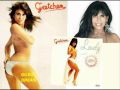
Gretchen

Pop
Latin Pop
Forró
 Viberate Rank: 63563
 Viberate Rank: 63563
 Monthly ListenersFollowers
 Subscribers
 Followers
 Followers
 FansTop Spotify Songs
| Track | 7-Day Streams | |
|---|---|---|
1 | 19.91K | |
2 | 6.17K | |
3 | 4.35K | |
4 | 2.06K | |
5 | 822 |
Top YouTube VideosMonthly ListenersFeatured in Playlists| Playlist | Followers | |
|---|---|---|
1 |  CARNAVAL 2027 by HUGO GLOSS Hugo Gloss | 143.27K |
2 | furacão 2000's gabzy | 97.51K |
3 |  Antigas para bêbados | Anos 90 / Anos 2000 Grannada | 54.89K |
4 |  Anos 80/90 Nacionais Nostalgia KaaH | 47.08K |
5 |  Brasil 2000 /2012 🇧🇷 ☬ ₹ € B € C 4 ☬ | 42.48K |
Audience| City | Monthly Listeners | |
|---|---|---|
1 | | 11.96K |
2 | | 5.54K |
3 | | 3.10K |
4 | | 2.23K |
5 | | 2.14K |
See full performance history, audience data, playlist activity, rankings, comparisons, and more in Viberate music analytics. Start with a free trial, then continue with a paid plan.
Gretchen’s Spotify BioRelying in her dizzying curves and hot dancing style, the Carioca vocalist Gretchen (sister of Sula Miranda's, with whom she kept in their teens the short-lived group As Melindrosas) was launched in the late 70's by Mister Sam, soon performing around Brazil with the group Záccaro. After her TV debut at the Sílvio Santos show, she was invited to record "Dance With Me", but big hits ("Freak Le Boom Boom", "Melô do Piripiri", "Conga Conga Conga" "I Love You/Je T'Aime") came only between 1980-2 with My Name Is Gretchen, You and Me and Lonely. In that period she became a popularity phenomenon, having being one of the most successful Brazilian artists, performing shows by the thousands and appearing regularly in the most famous TV programmes like the ones hosted by Chacrinha, Sílvio Santos, Raul Gil and Bolinha. With the decline of her vogue in the 80's, despite her efforts in the exploration of new fashionable rhythms like the lambada, she converted to Protestantism and became a gospel… singer. In the 90's her hits became cults in the Brazilian elegant dance floors, and, with the success of similarly shaped and styled singers/dancers like Carla Perez and others revealed by É o Tchan and its epigones, Gretchen was finally acknowledged as the pioneer of a style. ~ Alvaro Neder, Rovi
Viberate is a music analytics platform built for A&Rs, artist managers, labels, booking agents, marketers, and artists.
It helps music professionals track artist growth, analyze audience data, monitor playlist activity, compare artists, follow song performance, and identify opportunities across the music market.
Public artist pages provide a free preview of selected artist data. Paid plans provide access to deeper analytics, historical data, charts, comparisons, playlist tools, exports, alerts, reports, and additional professional features.
Yes. Public Viberate artist pages provide selected artist analytics and music data for free.
Viberate also offers a 7-day free trial of the full platform. A credit card is required to start the trial. The trial includes access to the complete product so users can test deeper artist analytics, historical views, playlist insights, comparisons, charts, exports, alerts, and reporting features before choosing a paid plan.
Viberate provides artist analytics across streaming, playlists, social media, video, radio airplay, songs, and audience markets.
Users can analyze Spotify performance, Spotify and Apple Music playlists, YouTube activity, TikTok and Instagram growth, radio spins, song performance, audience locations, demographics, rankings, and overall artist momentum.
Artist profiles also connect to music charts, similar artists, and comparison tools, helping users benchmark performance and evaluate artists in context.
Viberate updates key artist and track data daily.
For followed artists and tracks, selected data is refreshed multiple times per day. This helps teams monitor playlist changes, streaming movement, audience growth, releases, and campaign performance with more current data.
Update frequency can vary depending on the metric and data source.
Yes. Viberate lets users compare up to five artists side by side across streaming, social media, audience, and engagement metrics.
Users can compare fanbase growth, audience demographics, locations, Spotify performance, social metrics, and other artist data over selected time periods.
Artist comparison can be used for A&R scouting, benchmarking, booking decisions, campaign planning, and evaluating artists with similar audiences or market positions.