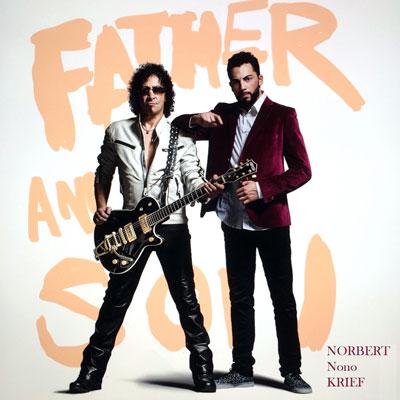
Greg Zlap

Blues
Contemporary Blues
Jazz Fusion
 Viberate Rank: 138423
 Viberate Rank: 138423
 Monthly ListenersFollowers
 Subscribers
 Followers
 Followers
 FansTop Spotify Songs
| Track | 7-Day Streams | |
|---|---|---|
1 | 5.50K | |
2 | 2.30K | |
3 | 1.82K | |
4 | 1.77K | |
5 | 1.76K |
Top YouTube VideosMonthly ListenersFeatured in Playlists| Playlist | Followers | |
|---|---|---|
1 |  Johnny Hallyday Best of Digster France | 55.68K |
2 |  HOCHZEITSPARTY :) st95_1 | 34.19K |
3 | Blues Harmonica Mikael Levinsson | 33.48K |
4 |  This Is MC Solaar Spotify | 29.01K |
5 |  Cowboy Bebop - 3,2,1 Let's Jam illztherocker | 19.27K |
Audience| City | Monthly Listeners | |
|---|---|---|
1 | | 994 |
2 |  | 636 |
3 | | 434 |
4 | | 343 |
5 |  | 257 |
See full performance history, audience data, playlist activity, rankings, comparisons, and more in Viberate music analytics. Start with a free trial, then continue with a paid plan.
Greg Zlap’s Spotify BioThere is only one man able to rock a stadium with a simple harmonica. The one whom Jean-Jacques Milteau affectionately calls his "spiritual son" moved to France in the late 80's and became one of the most creative musicians in Europe. Behind his leather jacket and piercing blue eyes is a man who has lived through striking events. Greg Zlap was born in Warsaw, Poland. As a child, he watched the Solidarnosc demonstrations from his bedroom window. He bought American blues and rock records on the black market and learned to play music on his own, out of sight.
As a session musician, he recorded with artists such as Murray Head, Florent Pagny, Eddy Mitchell and film music composer Vladimir Cosma, tracking the footsteps of Toots Thielemans. An outstanding showman, he spent ten years touring the greatest stages with the legendary French singer Johnny Hallyday, including a historic concert at the Eiffel Tower in Paris in front of a million people.
As Greg says, "You never really need a harmonica… in a song", but he proves that the harmonica can be used in any context. He has recently collaborated with Klingande in electro music, Archimède in pop/rock, Madame Monsieur in urban music and Michel Jonasz in French traditional songwriting. After Save My Soul, performed as a duet with Amy Keys and produced by Pierre Jaconelli, his new singe Frères de son produced and performed as a duet with -M- introduces his new album Rock It, due out on October 2, 2020.
Viberate is a music analytics platform built for A&Rs, artist managers, labels, booking agents, marketers, and artists.
It helps music professionals track artist growth, analyze audience data, monitor playlist activity, compare artists, follow song performance, and identify opportunities across the music market.
Public artist pages provide a free preview of selected artist data. Paid plans provide access to deeper analytics, historical data, charts, comparisons, playlist tools, exports, alerts, reports, and additional professional features.
Yes. Public Viberate artist pages provide selected artist analytics and music data for free.
Viberate also offers a 7-day free trial of the full platform. A credit card is required to start the trial. The trial includes access to the complete product so users can test deeper artist analytics, historical views, playlist insights, comparisons, charts, exports, alerts, and reporting features before choosing a paid plan.
Viberate provides artist analytics across streaming, playlists, social media, video, radio airplay, songs, and audience markets.
Users can analyze Spotify performance, Spotify and Apple Music playlists, YouTube activity, TikTok and Instagram growth, radio spins, song performance, audience locations, demographics, rankings, and overall artist momentum.
Artist profiles also connect to music charts, similar artists, and comparison tools, helping users benchmark performance and evaluate artists in context.
Viberate updates key artist and track data daily.
For followed artists and tracks, selected data is refreshed multiple times per day. This helps teams monitor playlist changes, streaming movement, audience growth, releases, and campaign performance with more current data.
Update frequency can vary depending on the metric and data source.
Yes. Viberate lets users compare up to five artists side by side across streaming, social media, audience, and engagement metrics.
Users can compare fanbase growth, audience demographics, locations, Spotify performance, social metrics, and other artist data over selected time periods.
Artist comparison can be used for A&R scouting, benchmarking, booking decisions, campaign planning, and evaluating artists with similar audiences or market positions.