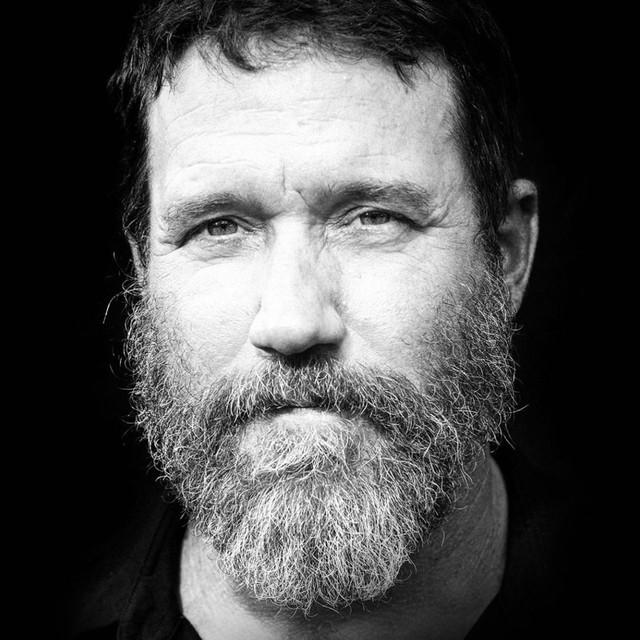
Greg Graffin

Punk
Punk Rock
Folk Punk
Hardcore Punk
 Viberate Rank: 121974
 Viberate Rank: 121974
 Monthly ListenersFollowers
 Subscribers
 Followers
 Followers
 FansTop Spotify Songs
| Track | 7-Day Streams | |
|---|---|---|
1 | 1.36K | |
2 | 561 | |
3 | 456 | |
4 | 406 | |
5 | 341 |
Top YouTube VideosMonthly ListenersFeatured in Playlists| Playlist | Followers | |
|---|---|---|
1 | Folk-Punk Tom | 24.82K |
2 | Fall Vibes 🍁 Marissa Torretti Bowlin | 4.74K |
3 |  Love and Leaves Beerweird | 4.23K |
4 |  Acoustic Punk Rock - by Punk N' Coffee Punk N´ Coffee | 2.98K |
5 |  The Sound of Folk Punk The Sounds of Spotify | 2.40K |
Audience| City | Monthly Listeners | |
|---|---|---|
1 |  | 146 |
2 |  | 123 |
3 |  | 97 |
4 | | 89 |
5 | | 85 |
See full performance history, audience data, playlist activity, rankings, comparisons, and more in Viberate music analytics. Start with a free trial, then continue with a paid plan.
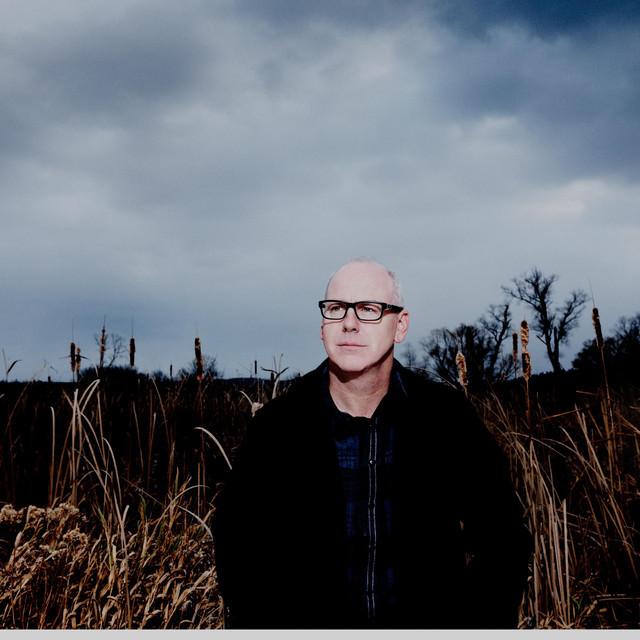
Greg Graffin’s Spotify BioBad Religion frontman Greg Graffin single-handedly nullifies the perception that punk rock is an ignorant form of music for youngsters: He has a master's degree in geology and a Ph.D. in biology. His intelligence is also borne out in his music; while his band is aggressive and forceful, Graffin's lyrics offer thoughtful commentary on a variety of political and social issues, delivered with furious intensity. Apart from his work with Bad Religion, Graffin has also recorded solo material that shows off a different side of his personality, looking into personal rather than political themes and setting them to music that's quieter and less indebted to the ferocity of punk. 1997's American Lesion was informed by pop and jazz influences as it depicted the collapse of a marriage, while 2006's Cold as the Clay and 2017's Millport found him branching out into country and folk sounds.
First raised in southeastern Wisconsin and then Milwaukee, Graffin relocated with his mother to Los Angeles at… the age of 11, after his parents divorced. A fan of pop radio from an early age, Graffin was in for quite a (culture) shock when surrounded by all the pot-smoking surfer dudes of the San Fernando Valley, who largely admired groups like Led Zeppelin. Luckily for Graffin, the Los Angeles punk/hardcore scene was just beginning to take shape, offering him a much-needed alternative. Becoming aware of bands by listening to scenester Rodney Bingenheimer's Rodney on the ROQ radio show, Graffin soon gravitated toward such punk groups as the Adolescents, Black Flag, and the Circle Jerks (in addition to certain new wavers like the Cars and Elvis Costello).
Come 1980, Graffin decided to give singing a try, and formed Bad Religion alongside guitarist Brett Gurewitz and bassist Jay Bentley (a host of other supporting musicians would come and go). Not content to sit around and wait for a record label to come to them, Bad Religion formed their own indie label, Epitaph, and issued such classic L.A. punk recordings as 1981's six-track EP Bad Religion as well as a pair of full-lengths: 1982's How Could Hell Be Any Worse? and 1983's Into the Unknown. The mid-'80s saw further lineup fluctuation, as Graffin was the only original member left for a spell; Gurewitz had to briefly retreat from the band to sort out some "personal problems." Former Circle Jerks guitarist Greg Hetson helped bolster the lineup around this time, and remained on board when Gurewitz returned.
The group's ensuing recordings of the late '80s and early '90s are what many longtime Bad Religion fans consider to be the group's finest, especially such titles as 1988's Suffer, 1989's No Control, and 1990's Against the Grain. Despite successfully getting Bad Religion back to the powerful punk force they once were, Graffin somehow found the time during this busy period to earn his M.A. at UCLA during 1987 (geology), and three years later, a Ph.D. at Cornell (biology). Graffin and his Bad Religion mates flirted with commercial success during much of the mid- to late '90s (especially after the massive success obtained by another Epitaph band, the Offspring), and even signed on with major-label Atlantic for a spell.
In addition to his Bad Religion duties and college courses, Graffin also produced albums for other bands, including Bottom 12 (1996's Songs for the Disgruntled Postman) and Unwritten Law (Oz Factor). He issued a solo album under the alias of American Lesion (1997's American Lesion), guested on recordings by other artists (including NOFX and Joan Jett), and also penned articles for publications (including an autobiography for Details magazine). Graffin released another solo effort in July 2006, but this time under his own name. Cold as the Clay harked back to his familial roots, boasting a stripped-down American folk sound. Released on Anti-, the album featured members of the Weakerthans as his backing band. Graffin's third solo outing, the rootsy Millport, dropped in 2017, and featured a backing band that included Bad Religion guitarist Brett Gurewitz and the rhythm section from Social Distortion. In 2020, Graffin reissued American Lesion, this time with him taking the artist's credit. ~ Greg Prato & Mark Deming, Rovi
Viberate is a music analytics platform built for A&Rs, artist managers, labels, booking agents, marketers, and artists.
It helps music professionals track artist growth, analyze audience data, monitor playlist activity, compare artists, follow song performance, and identify opportunities across the music market.
Public artist pages provide a free preview of selected artist data. Paid plans provide access to deeper analytics, historical data, charts, comparisons, playlist tools, exports, alerts, reports, and additional professional features.
Yes. Public Viberate artist pages provide selected artist analytics and music data for free.
Viberate also offers a 7-day free trial of the full platform. A credit card is required to start the trial. The trial includes access to the complete product so users can test deeper artist analytics, historical views, playlist insights, comparisons, charts, exports, alerts, and reporting features before choosing a paid plan.
Viberate provides artist analytics across streaming, playlists, social media, video, radio airplay, songs, and audience markets.
Users can analyze Spotify performance, Spotify and Apple Music playlists, YouTube activity, TikTok and Instagram growth, radio spins, song performance, audience locations, demographics, rankings, and overall artist momentum.
Artist profiles also connect to music charts, similar artists, and comparison tools, helping users benchmark performance and evaluate artists in context.
Viberate updates key artist and track data daily.
For followed artists and tracks, selected data is refreshed multiple times per day. This helps teams monitor playlist changes, streaming movement, audience growth, releases, and campaign performance with more current data.
Update frequency can vary depending on the metric and data source.
Yes. Viberate lets users compare up to five artists side by side across streaming, social media, audience, and engagement metrics.
Users can compare fanbase growth, audience demographics, locations, Spotify performance, social metrics, and other artist data over selected time periods.
Artist comparison can be used for A&R scouting, benchmarking, booking decisions, campaign planning, and evaluating artists with similar audiences or market positions.