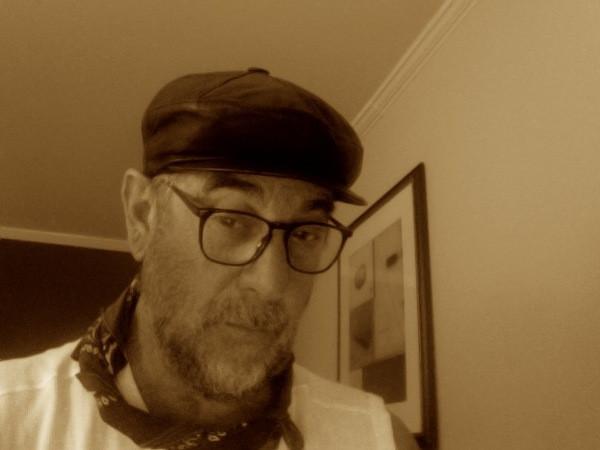
Greg Brown

Country
Americana/Alt Country
 Viberate Rank: 109116
 Viberate Rank: 109116
 Monthly ListenersFollowers
 Subscribers
 Followers
 Followers
 FansTop Spotify Songs
| Track | 7-Day Streams | |
|---|---|---|
1 | 10.58K | |
2 | 6.49K | |
3 | 4.74K | |
4 | 4.59K | |
5 | 3.86K |
Top YouTube VideosMonthly ListenersFeatured in Playlists| Playlist | Followers | |
|---|---|---|
1 |  Essential Folk Spotify | 831.87K |
2 |  Every Track Star* Song Track Star* | 36.85K |
3 | RADIHAWKE 🍝 Camilla Boniardi | 29.86K |
4 |  Slow Blues & Blues Rock | Don's Tunes Don's Tunes | 19.74K |
5 | 100% Big Thief | 19.55K |
Audience| City | Monthly Listeners | |
|---|---|---|
1 | | 1.10K |
2 | | 1.06K |
3 | | 915 |
4 |  | 912 |
5 | | 896 |
See full performance history, audience data, playlist activity, rankings, comparisons, and more in Viberate music analytics. Start with a free trial, then continue with a paid plan.
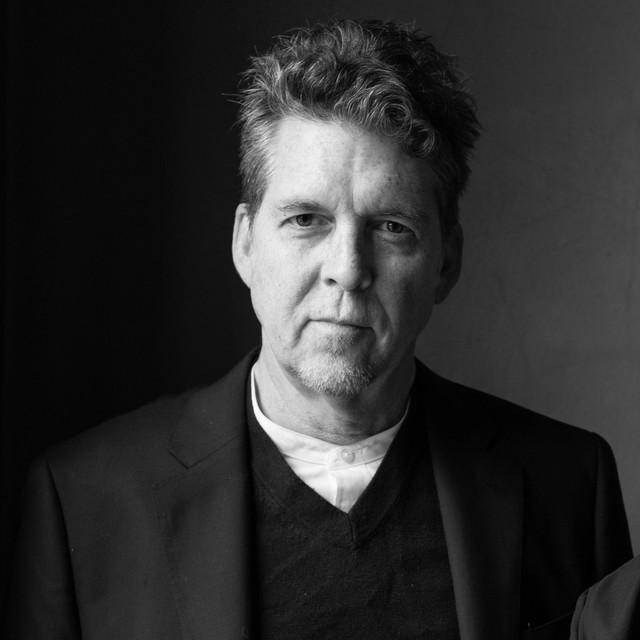
Greg Brown’s Spotify BioCritic Josh Kun once described singer and songwriter Greg Brown as "a Midwestern existentialist hobo with a quick-draw mouth, a bloodied heart, and bourbon on his breath." One of the leading contemporary folk artists of the American Midwest, Brown's music reflects a poetic spirit while also sounding thoroughly down to Earth; his deep, craggy voice expresses quirky humor and the mysteries of life and love with equal skill, and over the course of a career that's spanned more than five decades, he's earned a passionate following for his heartfelt and uncompromising music.
Brown was born on July 2, 1949, in Fairfield, Iowa. His mother was an English teacher who played guitar and taught her son about both books and music; his father earned his living as an electrician and scrap metal dealer, but also preached in a Pentecostal church on Sundays. As his family traveled throughout the Midwest, Brown soaked up a broad range of musical influences: gospel, blues, country, bluegrass, classical, and… rock & roll. At the age of six, he learned to play the pump organ, and soon picked up the guitar from his mother. After graduating from high school, Brown enrolled at the University of Iowa; he signed up for a talent competition and won first prize, an opening spot at a campus concert by singer/songwriter Eric Andersen. Andersen liked Brown's performance and told the teenager he should consider moving East and trying his hand at a career in music. Brown needed no further encouragement, and soon quit school and headed to New York, where he found a steady gig at Gerde's Folk City, performing and running the weekly Hootenanny night. After a year in New York, Brown lit out for the West Coast, where he landed a job ghostwriting songs for Buck Ram, longtime manager of the Platters; while Brown said he learned a lot about writing on a deadline, he didn't enjoy life in Los Angeles and opted to return to Iowa.
He continued to write and perform after coming home, and for a while he worked as a duo act with his friend Richard Pinney; in 1974, they released an album, Hacklebarney, recorded during a show in Rockford, Illinois. The album sold poorly, and Brown didn't record again until 1980, when he self-released his first solo effort, 44 & 66. His second album, 1981's The Iowa Waltz, became a regional favorite, and the 1983 release One Night captured the intimate feel of Brown's increasingly popular live shows. Later in 1983, he teamed up with Bob Feldman, a St. Paul, Minnesota schoolteacher and music fan, to launch their own record company, Red House Records, which would in time become one of the nation's most successful independent folk labels. 1983's In the Dark with You became his first release for Red House; it earned enthusiastic reviews and sold well in the folk market, in part thanks to Brown's frequent appearances on the radio show A Prairie Home Companion. Brown's next release, 1986's Songs of Innocence and Experience, was an ambitious effort to set the poems of William Blake to music, and received enthusiastic reviews, as did his next effort, 1988's One More Goodnight Kiss. 1989's One Big Town earned Brown an Indie Award from the National Association of Independent Record Distributors for Best Adult Contemporary Album, and in 1993, he cut a duet album with Bill Morrissey, Friend of Mine, which earned them a Grammy nomination. 1994's The Poet Game brought Brown another Indie Award, and he released a second concert recording, The Live One, in 1995. After two more successful albums for Red House, Further In (1996) and Slant Six Mind (1997), Brown released 1999's Solid Heart, which was the first of several discs he's issued as fundraisers for various charitable organizations. 2000's Over and Under was a stripped-down project Brown opted to release through a smaller independent outfit, Trailer Records, rather than Red House; a second album for Trailer, Honey in the Lion's Head, appeared in 2004. Red House Records went through a change in ownership after the death of Bob Feldman in 2006; Brown released his album The Evening Call through Red House later that year, but for his next studio album, 2011's Freak Flag, he struck a deal with Yep Roc Records.
In his personal life, Brown has been married three times. He has three daughters from his first marriage, Constance Brown, Zoe Brown, and Pieta Brown; all three are musicians (Pieta has released several albums, with her father making guest appearances on two), and they performed Greg's song "Ella Mae" as a trio on the benefit compilation Going Driftless: An Artist's Tribute to Greg Brown. In 2002, Brown wed his third wife, fellow singer and songwriter Iris DeMent; he later covered her song "Let the Mystery Be" on his album Freak Flag. ~ Mark Deming, Rovi
Viberate is a music analytics platform built for A&Rs, artist managers, labels, booking agents, marketers, and artists.
It helps music professionals track artist growth, analyze audience data, monitor playlist activity, compare artists, follow song performance, and identify opportunities across the music market.
Public artist pages provide a free preview of selected artist data. Paid plans provide access to deeper analytics, historical data, charts, comparisons, playlist tools, exports, alerts, reports, and additional professional features.
Yes. Public Viberate artist pages provide selected artist analytics and music data for free.
Viberate also offers a 7-day free trial of the full platform. A credit card is required to start the trial. The trial includes access to the complete product so users can test deeper artist analytics, historical views, playlist insights, comparisons, charts, exports, alerts, and reporting features before choosing a paid plan.
Viberate provides artist analytics across streaming, playlists, social media, video, radio airplay, songs, and audience markets.
Users can analyze Spotify performance, Spotify and Apple Music playlists, YouTube activity, TikTok and Instagram growth, radio spins, song performance, audience locations, demographics, rankings, and overall artist momentum.
Artist profiles also connect to music charts, similar artists, and comparison tools, helping users benchmark performance and evaluate artists in context.
Viberate updates key artist and track data daily.
For followed artists and tracks, selected data is refreshed multiple times per day. This helps teams monitor playlist changes, streaming movement, audience growth, releases, and campaign performance with more current data.
Update frequency can vary depending on the metric and data source.
Yes. Viberate lets users compare up to five artists side by side across streaming, social media, audience, and engagement metrics.
Users can compare fanbase growth, audience demographics, locations, Spotify performance, social metrics, and other artist data over selected time periods.
Artist comparison can be used for A&R scouting, benchmarking, booking decisions, campaign planning, and evaluating artists with similar audiences or market positions.