Green Alderson

Rock
Alternative Rock
 Viberate Rank: 581284
 Viberate Rank: 581284
 Monthly ListenersFollowers
 Subscribers
 Followers
 Followers
 FansTop Spotify Songs
| Track | 7-Day Streams | |
|---|---|---|
1 | 38 | |
2 | 8 | |
3 | 5 | |
4 | 5 | |
5 | 4 |
Top YouTube VideosMonthly ListenersFeatured in Playlists| Playlist | Followers | |
|---|---|---|
1 |  Indie Rock | Indie Pop Obsidian. | 4.41K |
2 |  Dinosaur Festival Daniel Mena | 2.25K |
Audience| City | Monthly Listeners | |
|---|---|---|
1 | | 15 |
2 | | 9 |
3 | | 9 |
4 |  | 9 |
5 | | 8 |
See full performance history, audience data, playlist activity, rankings, comparisons, and more in Viberate music analytics. Start with a free trial, then continue with a paid plan.
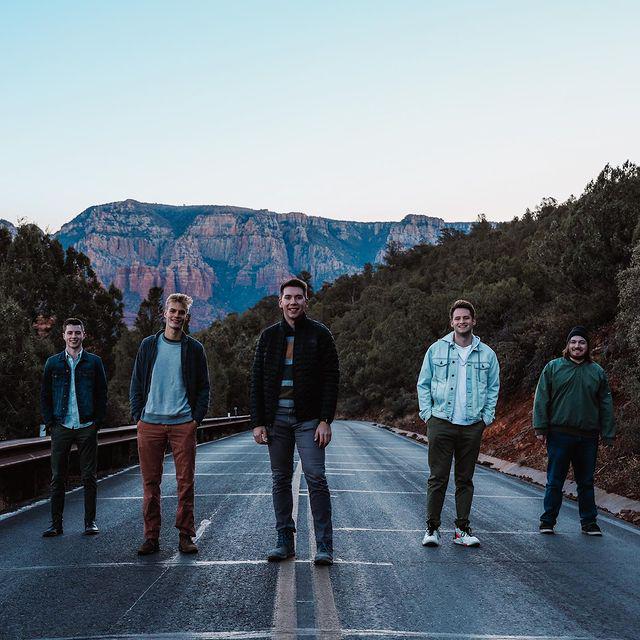
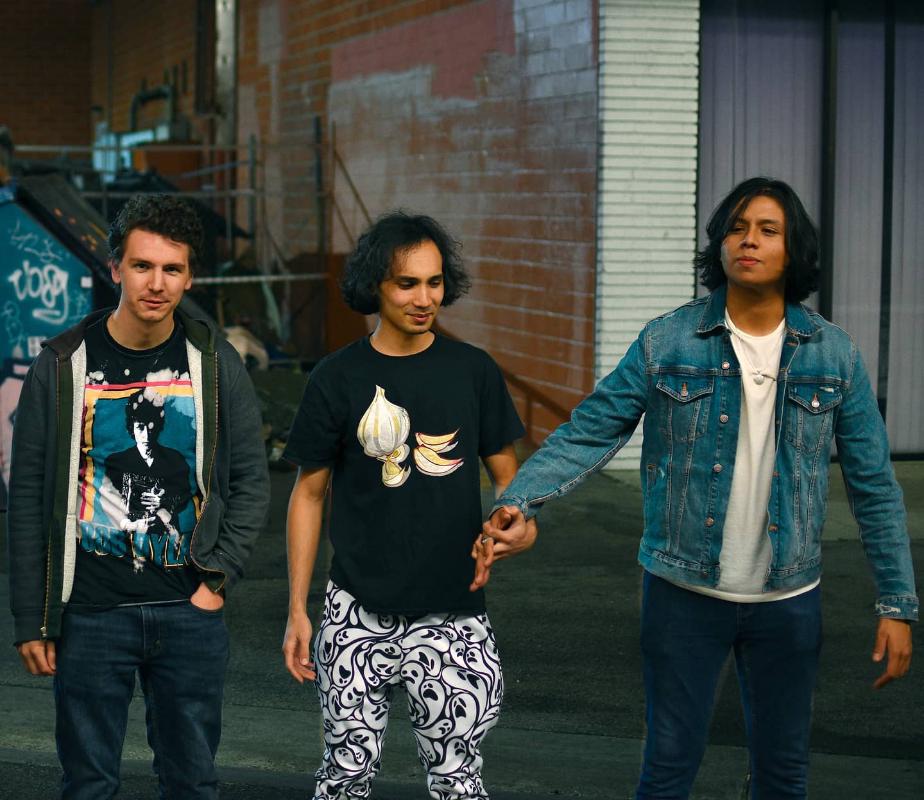
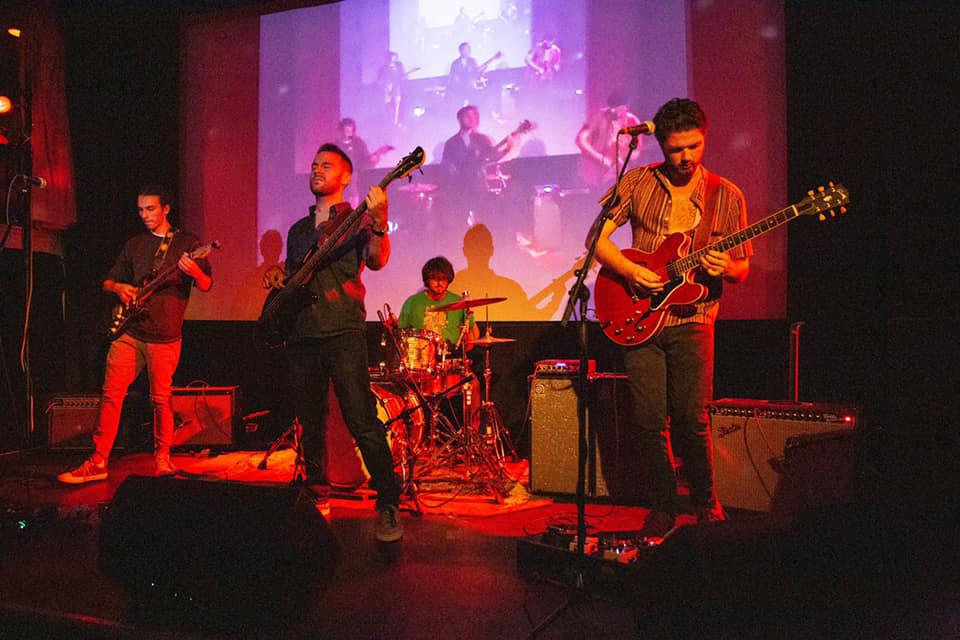
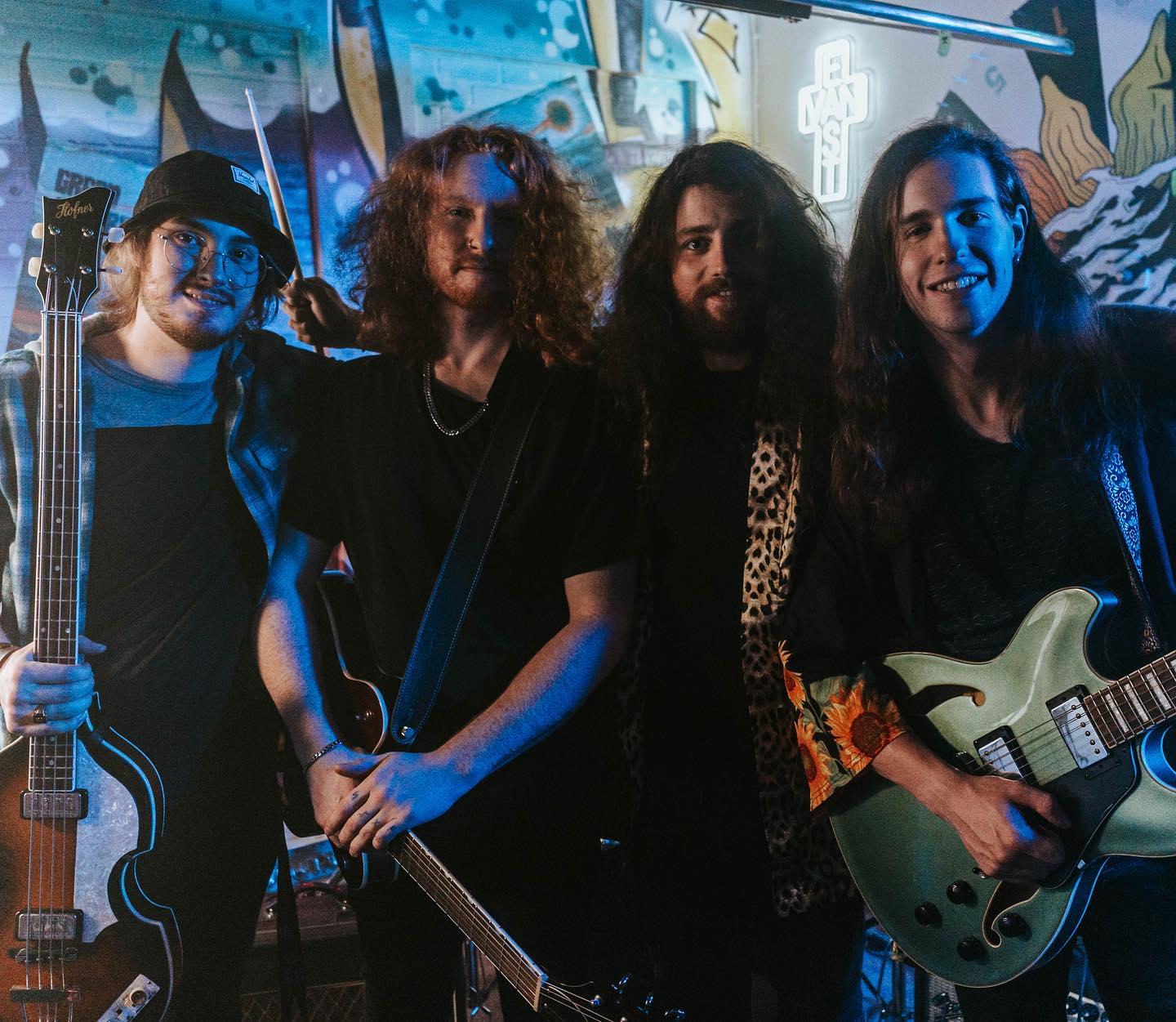
Green Alderson’s Spotify BioGreen Alderson was formed in 2019 by Gabriel Lacroix, a singer-songwriter with a focus on rock and alternative sounds. Initially a solo project, the band grew into a full four-piece lineup, refining its style and crafting a sound that blends accessible rock melodies with gritty, soulful energy.
In 2020, Green Alderson released “Tripping Daisy,” a track co-written with Emiliano “Cesar” Cisneros. Produced by Dave Genn (54-40, Matthew Good Band), the song gained traction thanks to a viral TikTok video, where Gabriel shared a humorous post about the struggles of balancing music with a “real” job. The video led to over 100,000 plays, introducing the band to a larger audience and earning them spots at notable Vancouver venues like The Portside Pub, The Roxy, and Red Gate Art Society.
By 2022, Green Alderson had solidified its place in the local scene, playing Foodstock and UBC’s Red Bull Stage. The following year saw some lineup changes, with Timothy Rodgers (guitar) and Michael Mira Lopez… (drums) joining Gabriel. Alex Kumar (bass) and Kaden Chad (rhythm guitar) briefly contributed to the band during key performances. In 2023, the band recorded eight new tracks, continuing to build on their earlier work and develop their sound.
Now, Green Alderson is focused on releasing new music and re-engaging with their audience.
Viberate is a music analytics platform built for A&Rs, artist managers, labels, booking agents, marketers, and artists.
It helps music professionals track artist growth, analyze audience data, monitor playlist activity, compare artists, follow song performance, and identify opportunities across the music market.
Public artist pages provide a free preview of selected artist data. Paid plans provide access to deeper analytics, historical data, charts, comparisons, playlist tools, exports, alerts, reports, and additional professional features.
Yes. Public Viberate artist pages provide selected artist analytics and music data for free.
Viberate also offers a 7-day free trial of the full platform. A credit card is required to start the trial. The trial includes access to the complete product so users can test deeper artist analytics, historical views, playlist insights, comparisons, charts, exports, alerts, and reporting features before choosing a paid plan.
Viberate provides artist analytics across streaming, playlists, social media, video, radio airplay, songs, and audience markets.
Users can analyze Spotify performance, Spotify and Apple Music playlists, YouTube activity, TikTok and Instagram growth, radio spins, song performance, audience locations, demographics, rankings, and overall artist momentum.
Artist profiles also connect to music charts, similar artists, and comparison tools, helping users benchmark performance and evaluate artists in context.
Viberate updates key artist and track data daily.
For followed artists and tracks, selected data is refreshed multiple times per day. This helps teams monitor playlist changes, streaming movement, audience growth, releases, and campaign performance with more current data.
Update frequency can vary depending on the metric and data source.
Yes. Viberate lets users compare up to five artists side by side across streaming, social media, audience, and engagement metrics.
Users can compare fanbase growth, audience demographics, locations, Spotify performance, social metrics, and other artist data over selected time periods.
Artist comparison can be used for A&R scouting, benchmarking, booking decisions, campaign planning, and evaluating artists with similar audiences or market positions.