GREAT TIME

Hip Hop
Alternative Hip Hop
Indie Rock
Neo Soul
 Viberate Rank: 182521
 Viberate Rank: 182521
 Monthly ListenersFollowers
 Subscribers
 Followers
 Followers
 FansTop Spotify Songs
| Track | 7-Day Streams | |
|---|---|---|
1 | 3.93K | |
2 | 702 | |
3 | 106 | |
4 | 48 | |
5 | 46 |
Top YouTube VideosMonthly ListenersFeatured in Playlists| Playlist | Followers | |
|---|---|---|
1 | Catieosaurus 's Infinite ADHD Playlist Pt. 1 Catieosaurus | 16.21K |
2 | *JBREKKIE PLAYLIST* Michelle Zauner | 15.45K |
3 |  uPBEAt hAPPy mUSIc kaleb.dedrick | 13.13K |
4 |  DOMi & JD BECK JAZZ🎶 Levi Stidham | 11.89K |
5 |  Discovered Weekly eddershaw | 6.05K |
Audience| City | Monthly Listeners | |
|---|---|---|
1 | | 336 |
2 | | 302 |
3 | | 252 |
4 |  | 250 |
5 | | 247 |
See full performance history, audience data, playlist activity, rankings, comparisons, and more in Viberate music analytics. Start with a free trial, then continue with a paid plan.
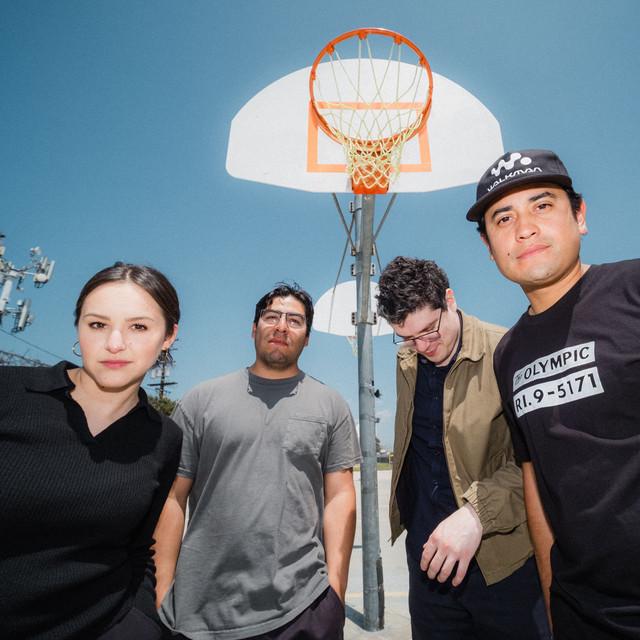
GREAT TIME’s Spotify BioGreat Time doesn't want to fit in a box. Living up to their name, the band just wants to have a great time making the music they want. Tired of being advised to "pick a lane" by some of their industry peers, Great Time sets out to create music that celebrates their wide-ranging sound, incorporating genres like synth-pop, electronic, jazz, punk, rock and R&B.
Their most recent releases are a series of EPs titled “Sounds Like ____”. The band had the idea to turn the EP titles into a Mad Libs type of game "so that someone could put their own adjective or descriptor for the EP in the blank space," explains singer/multi-instrumentalist Jill Ryan. The projects explore some of the different sounds and styles that influence Great Time. “Some people thought [our 2018 debut LP] Great Album was all over the place, so with the ‘Sounds Like’ series, we decided to lean even further into our multi-genre tendencies and place the option of categorizing or putting us in a box on the listener.”
True to… their vision, each EP carries a different sound. On Vol. 1, Great Time create a blissed out atmosphere, with R&B and neo-soul melodies. For Vol. 2, the band zones in on its electronic and pop influences, creating a livelier atmosphere that feels ripe for dancing. Whereas Vol. 3 shows a guitar-heavy, more traditionally rock-sounding side to the three-piece group, ranging from punk to acoustic folk.
Viberate is a music analytics platform built for A&Rs, artist managers, labels, booking agents, marketers, and artists.
It helps music professionals track artist growth, analyze audience data, monitor playlist activity, compare artists, follow song performance, and identify opportunities across the music market.
Public artist pages provide a free preview of selected artist data. Paid plans provide access to deeper analytics, historical data, charts, comparisons, playlist tools, exports, alerts, reports, and additional professional features.
Yes. Public Viberate artist pages provide selected artist analytics and music data for free.
Viberate also offers a 7-day free trial of the full platform. A credit card is required to start the trial. The trial includes access to the complete product so users can test deeper artist analytics, historical views, playlist insights, comparisons, charts, exports, alerts, and reporting features before choosing a paid plan.
Viberate provides artist analytics across streaming, playlists, social media, video, radio airplay, songs, and audience markets.
Users can analyze Spotify performance, Spotify and Apple Music playlists, YouTube activity, TikTok and Instagram growth, radio spins, song performance, audience locations, demographics, rankings, and overall artist momentum.
Artist profiles also connect to music charts, similar artists, and comparison tools, helping users benchmark performance and evaluate artists in context.
Viberate updates key artist and track data daily.
For followed artists and tracks, selected data is refreshed multiple times per day. This helps teams monitor playlist changes, streaming movement, audience growth, releases, and campaign performance with more current data.
Update frequency can vary depending on the metric and data source.
Yes. Viberate lets users compare up to five artists side by side across streaming, social media, audience, and engagement metrics.
Users can compare fanbase growth, audience demographics, locations, Spotify performance, social metrics, and other artist data over selected time periods.
Artist comparison can be used for A&R scouting, benchmarking, booking decisions, campaign planning, and evaluating artists with similar audiences or market positions.