Gravity Kills

Rock
Alternative Rock
Industrial rock
 Viberate Rank: 99684
 Viberate Rank: 99684
 Monthly ListenersFollowers
 Subscribers
 Followers
 Followers
 FansTop Spotify Songs
| Track | 7-Day Streams | |
|---|---|---|
1 | 18.44K | |
2 | 5.24K | |
3 | 2.17K | |
4 | 1.76K | |
5 | 1.69K |
Top YouTube Videos| Video | 7-Day Views | |
|---|---|---|
1 | 1.72K | |
2 | 11 | |
3 | 5 |
Monthly ListenersFeatured in Playlists| Playlist | Followers | |
|---|---|---|
1 |  Industrial Metal Spotify | 383.81K |
2 | 90's Grunge/Rock prevypicklebear | 328.23K |
3 |  90's Nostalgia & 2000 Throw Backs! Major | 88.50K |
4 | GRUNGE zerubi | 80.90K |
5 |  GOTH ULTIMATE LIST | DARK WAVE/POST-PUNK/GOTHIC ROCK/EBM/SYNTH/DEATH ROCK Annie Dark | 31.59K |
Audience| City | Monthly Listeners | |
|---|---|---|
1 | | 1.34K |
2 | | 780 |
3 | | 750 |
4 | | 737 |
5 | | 722 |
See full performance history, audience data, playlist activity, rankings, comparisons, and more in Viberate music analytics. Start with a free trial, then continue with a paid plan.
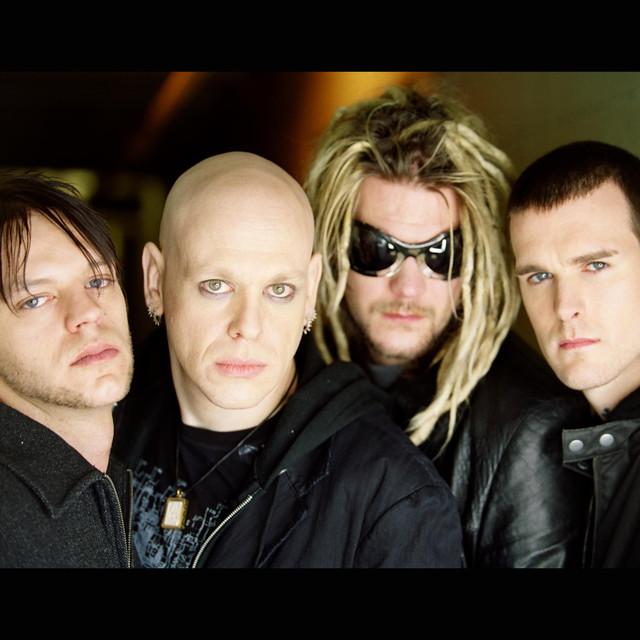
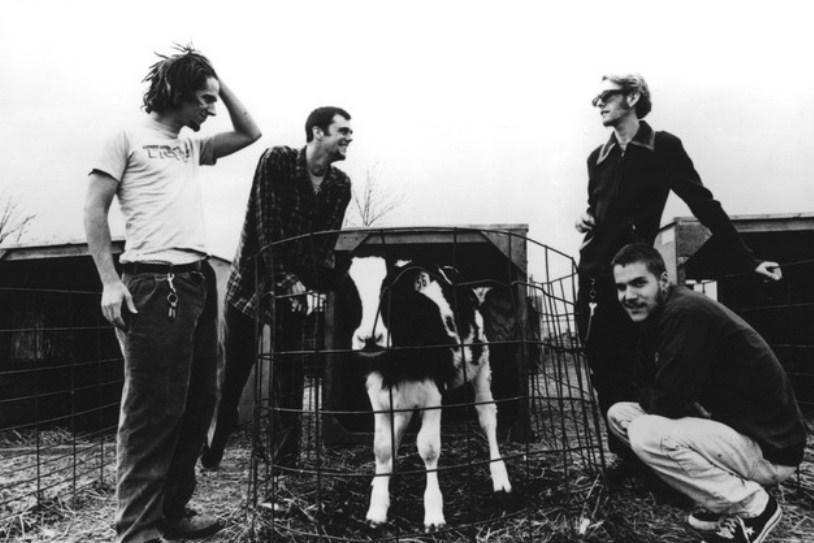
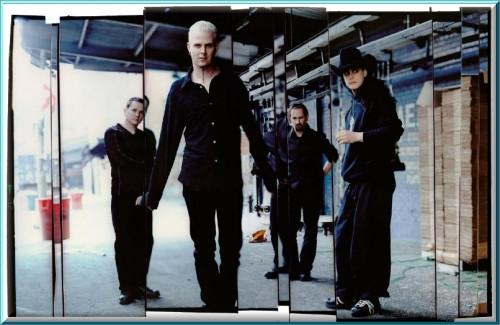
Gravity Kills’ Spotify BioInfluenced by such industrial metal outfits as Ministry and KMFDM, American rock outfit Gravity Kills followed in their predecessor's path of muscular, caustic assaults, but ultimately without the same longevity. Making their full-length debut in 1996 with Gravity Kills, they scored a radio hit with the track "Guilty," making them one of the hottest acts of the moment. Capitalizing on the buzz, they quickly turned out a remix set and a second album in just as many years. They managed to churn out a third set, Superstarved, in 2002. Just a year later, they effectively disbanded, playing one-off shows over the following years while teasing a formal comeback.
Hailing from St. Louis, guitarist Matt Dudenhoffer, keyboard player Douglas Firley, and bassist/drummer Kurt Kerns had been kicking around in various local bands since the mid-'80s, but the chance to land a song on a compilation by KPNT-FM got them together to record. The prospective hitmakers had no vocalist, however, so Kerns called… his cousin, vocalist Jeff Scheel, in Dallas in 1994. With a sound comparable to Filter and Nine Inch Nails, the group recorded an original composition called "Guilty" in three days, dubbed themselves Gravity Kills, and made their way onto the compilation. Soonafter, "Guilty" became the station's most-requested song and gathered airplay around the U.S. and Canada, leading to the group signing a recording contract with Wax Trax!/TVT. Gravity Kills' appeal was widened by appearances on the soundtracks for Mortal Kombat and Seven and, in March of 1996, the quartet released a self-titled debut album, promoting the release by supporting the Sex Pistols on their reunion tour of America.
In 1997, the band released a remix collection Manipulated, which featured interpretations of tracks from their self-titled debut by the likes of Al Jourgensen, Lords of Acid, Martin Atkins, P.M. Dawn, Juno Reactor, and more. Just a year later, they issued their sophomore effort, Perversion, which included another modest chart hit "Falling." Not much was heard from Gravity Kills for the next few years, which led to rumors that the group had broken up. Although Kerns left the group during this interim period, the breakup rumors ultimately proved to be false; after switching record labels (their new home is Sanctuary Records), Gravity Kills issued their fourth release, Superstarved, in March of 2002. In addition to a cover of Depeche Mode's "Personal Jesus," the set also featured "One Thing," which became their highest-charting Mainstream Rock entry on the U.S. charts. Shortly after the album's release, the band announced that they would be ceasing all operations. They spent the next decades playing the occasional one-off show and fending off rumours of a possible return to the recording studio. ~ Neil Z. Yeung & John Bush, Rovi
Viberate is a music analytics platform built for A&Rs, artist managers, labels, booking agents, marketers, and artists.
It helps music professionals track artist growth, analyze audience data, monitor playlist activity, compare artists, follow song performance, and identify opportunities across the music market.
Public artist pages provide a free preview of selected artist data. Paid plans provide access to deeper analytics, historical data, charts, comparisons, playlist tools, exports, alerts, reports, and additional professional features.
Yes. Public Viberate artist pages provide selected artist analytics and music data for free.
Viberate also offers a 7-day free trial of the full platform. A credit card is required to start the trial. The trial includes access to the complete product so users can test deeper artist analytics, historical views, playlist insights, comparisons, charts, exports, alerts, and reporting features before choosing a paid plan.
Viberate provides artist analytics across streaming, playlists, social media, video, radio airplay, songs, and audience markets.
Users can analyze Spotify performance, Spotify and Apple Music playlists, YouTube activity, TikTok and Instagram growth, radio spins, song performance, audience locations, demographics, rankings, and overall artist momentum.
Artist profiles also connect to music charts, similar artists, and comparison tools, helping users benchmark performance and evaluate artists in context.
Viberate updates key artist and track data daily.
For followed artists and tracks, selected data is refreshed multiple times per day. This helps teams monitor playlist changes, streaming movement, audience growth, releases, and campaign performance with more current data.
Update frequency can vary depending on the metric and data source.
Yes. Viberate lets users compare up to five artists side by side across streaming, social media, audience, and engagement metrics.
Users can compare fanbase growth, audience demographics, locations, Spotify performance, social metrics, and other artist data over selected time periods.
Artist comparison can be used for A&R scouting, benchmarking, booking decisions, campaign planning, and evaluating artists with similar audiences or market positions.