Granian

Rock
Pop Rock
 Viberate Rank: 375303
 Viberate Rank: 375303
 Monthly ListenersFollowers
 Subscribers
 Followers
 Followers
 FansTop Spotify Songs
| Track | 7-Day Streams | |
|---|---|---|
1 | 72 | |
2 | 43 | |
3 | 32 | |
4 | 32 | |
5 | 22 |
Top YouTube VideosMonthly ListenersFeatured in Playlists| Playlist | Followers | |
|---|---|---|
1 | Dawsons Creek - All Songs from all Seasons Jürgen Koller | 21.54K |
2 |  Dawson‘s Creek (Complete Soundtrack) 𝙼𝚁. 𝙼𝙸𝚂𝙵𝙸𝚃 | 2.51K |
3 |  Dawson's Creek - Complete Seasons 1 - 6 Lucas Hayes | 1.48K |
Audience| City | Monthly Listeners | |
|---|---|---|
1 | | 13 |
2 | | 10 |
3 | | 9 |
4 | | 8 |
5 | | 8 |
See full performance history, audience data, playlist activity, rankings, comparisons, and more in Viberate music analytics. Start with a free trial, then continue with a paid plan.
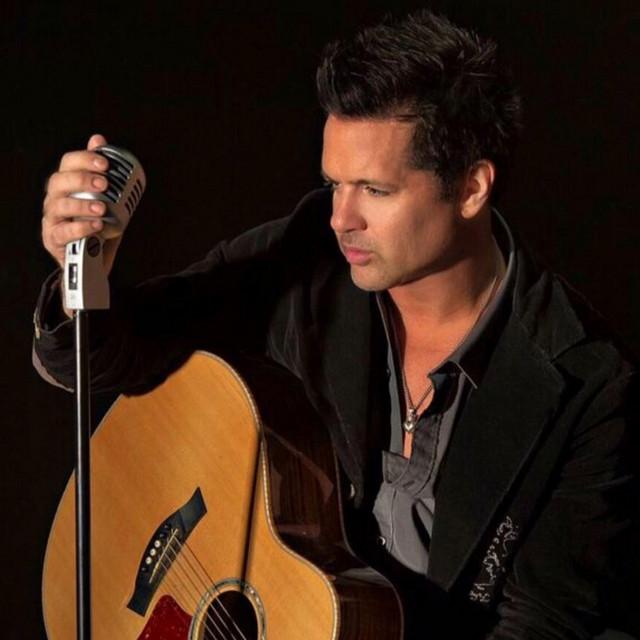
Granian’s Spotify BioThe name Granian is to singer/songwriter Garen Gueyikian what the name Alice Cooper is to Vincent Furnier: a name that was originally applied to a band but was subsequently applied to solo performances. Before 1975's Welcome to My Nightmare, the name Alice Cooper technically referred to a band as well as that band's leader/frontman; from Welcome to My Nightmare on, Alice Cooper was officially the name of a solo artist -- and similarly, Gueyikian started recording as the leader of the band Granian but continued to use that name when he recorded his third album, Live Sessions, by himself.
But whether Granian is the name of a band or a solo project, Gueyikian specializes in a style of alternative pop/rock that is melodic and tuneful as well as sensitive and introspective. Gueyikian brings a certain thoughtfulness to his writing, which has been compared to Toad the Wet Sprocket, Live, the Rembrandts, and Guster (among others). Granian's recordings of the '90s and early 2000s didn't make him… a huge multi-platinum superstar, but they did earn the New Jersey resident a small following (mostly on the East Coast).
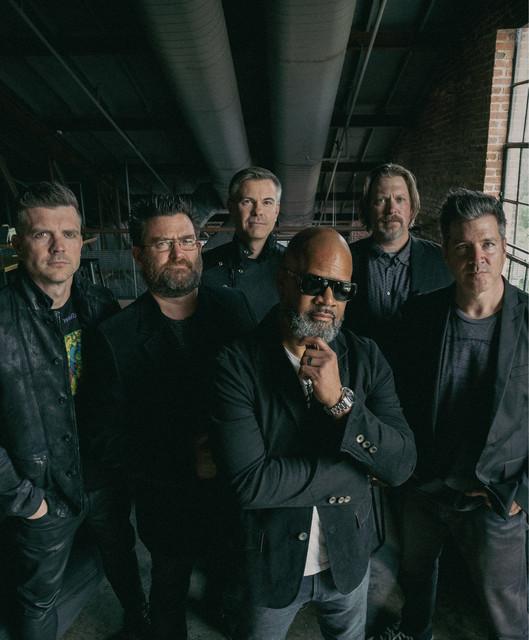
Based in Holmdel, NJ, Gueyikian formed Granian's original lineup in 1995, when he joined forces with George Schultz (electric bass, background vocals), Chris Nicoletti (acoustic guitar, background vocals), and Anthony "Faz" Fazioli (drums). At first, Gueyikian's band was called Grane, but after learning that there was a band in Pittsburgh called Grain, Gueyikian opted for a name change. Because of the different spellings, perhapsGueyikian could have continued to use the name Grane without any legal problems; however, he learned that Grain's name had been copyrighted and decided to err on the side of caution. Along the way, Granian had their share of lineup changes. In 1996, Fazioli left the band to pursue a career in law enforcement, and he was replaced by Tim Shahady (who Gueyikian met through headbanger Charlie Mills, formerly of the heavy metal/hard rock outfit Skid Row).
The next person to leave Gueyikian's combo was Nicoletti, who departed in 1998; instead of replacing him, Granian opted to perform as a trio consisting of Gueyikian on lead vocals and acoustic guitar, Schultz on electric bass and background vocals, and Shahady on drums. Gueyikian led that lineup until 2000, when Schultz left. Granian went through a few more bassists in the early 2000s (including Adam Braun and Tony Maceli, who went on to join the band Dough and shouldn't be confused with Philadelphia-based jazz vibist Tony Miceli) -- and when Shahady left, he was replaced by drummer Graycon Legere. Despite all those lineup changes, Granian never lost their sound; the band was always Gueyikian's baby and reflected his alternative pop/rock vision.
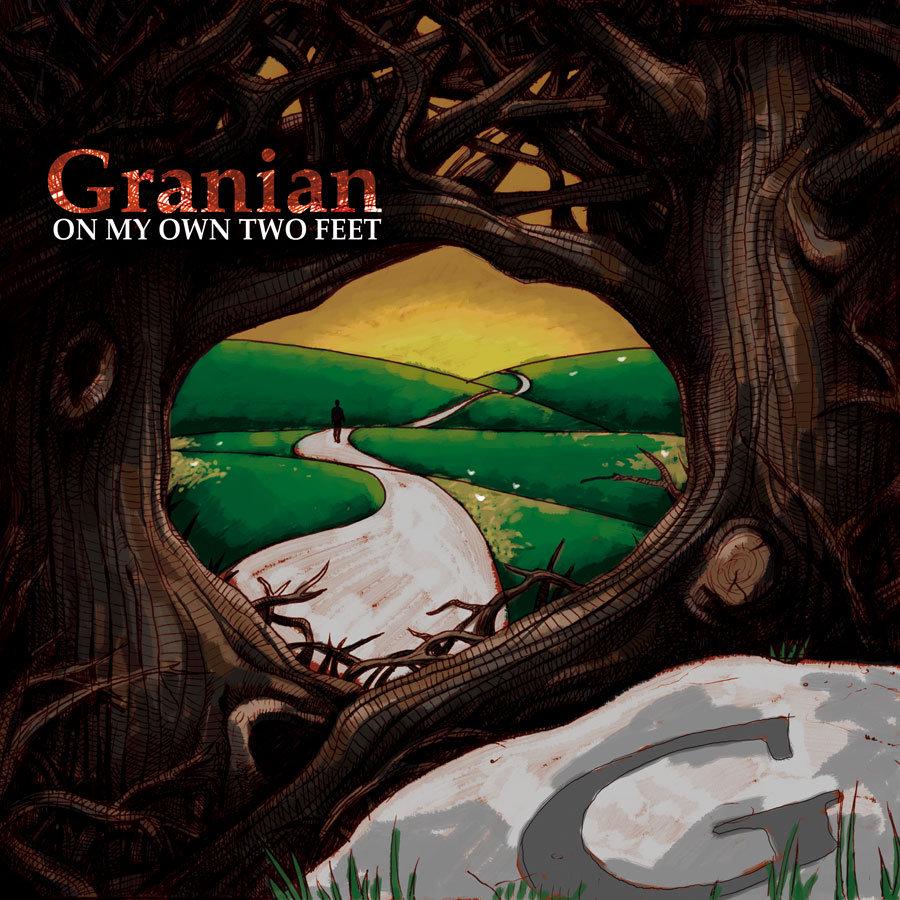
Granian's first album came in 1996, when they recorded Without Change; that disc was followed by Hang Around in 2000. On both of those releases, Gueyikian is leading an actual band, but when he recorded Granian's third album, Live Sessions, in 2002, he performed without any other musicians and accompanied himself on acoustic guitar. In 2003, Gueyikian released Live Sessions on his own label, SG Records. ~ Alex Henderson, Rovi
Viberate is a music analytics platform built for A&Rs, artist managers, labels, booking agents, marketers, and artists.
It helps music professionals track artist growth, analyze audience data, monitor playlist activity, compare artists, follow song performance, and identify opportunities across the music market.
Public artist pages provide a free preview of selected artist data. Paid plans provide access to deeper analytics, historical data, charts, comparisons, playlist tools, exports, alerts, reports, and additional professional features.
Yes. Public Viberate artist pages provide selected artist analytics and music data for free.
Viberate also offers a 7-day free trial of the full platform. A credit card is required to start the trial. The trial includes access to the complete product so users can test deeper artist analytics, historical views, playlist insights, comparisons, charts, exports, alerts, and reporting features before choosing a paid plan.
Viberate provides artist analytics across streaming, playlists, social media, video, radio airplay, songs, and audience markets.
Users can analyze Spotify performance, Spotify and Apple Music playlists, YouTube activity, TikTok and Instagram growth, radio spins, song performance, audience locations, demographics, rankings, and overall artist momentum.
Artist profiles also connect to music charts, similar artists, and comparison tools, helping users benchmark performance and evaluate artists in context.
Viberate updates key artist and track data daily.
For followed artists and tracks, selected data is refreshed multiple times per day. This helps teams monitor playlist changes, streaming movement, audience growth, releases, and campaign performance with more current data.
Update frequency can vary depending on the metric and data source.
Yes. Viberate lets users compare up to five artists side by side across streaming, social media, audience, and engagement metrics.
Users can compare fanbase growth, audience demographics, locations, Spotify performance, social metrics, and other artist data over selected time periods.
Artist comparison can be used for A&R scouting, benchmarking, booking decisions, campaign planning, and evaluating artists with similar audiences or market positions.