Grandmaster Flash

Hip Hop
Contemporary Hip Hop
Alternative Hip Hop
 Viberate Rank: 18071
 Viberate Rank: 18071
 Monthly ListenersFollowers
 Subscribers
 Followers
 Followers
 FansTop Spotify Songs
| Track | 7-Day Streams | |
|---|---|---|
1 | 139.80K | |
2 | 37.50K | |
3 | 12.18K | |
4 | 10.98K | |
5 | 10.20K |
Top YouTube Videos| Video | 7-Day Views | |
|---|---|---|
1 | 36.32K | |
2 | 11.27K | |
3 | 8.13K | |
4 | 3.12K | |
5 | 1.35K |
Monthly ListenersFeatured in Playlists| Playlist | Followers | |
|---|---|---|
1 |  I Love My '80s Hip-Hop Spotify | 459.55K |
2 | Classic Rock Greatest Hits Scott Pruden | 341.40K |
3 |  The Idol Official Playlist Spotify | 219.78K |
4 |  This Is Duran Duran Spotify | 201.79K |
5 |  THE Z COLLECTION ZAYN | 200.35K |
Audience| City | Monthly Listeners | |
|---|---|---|
1 |  | 12.84K |
2 | | 7.24K |
3 |  | 5.20K |
4 | | 4.33K |
5 |  | 3.88K |
See full performance history, audience data, playlist activity, rankings, comparisons, and more in Viberate music analytics. Start with a free trial, then continue with a paid plan.
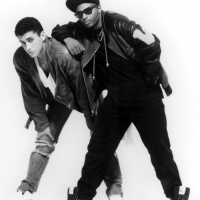
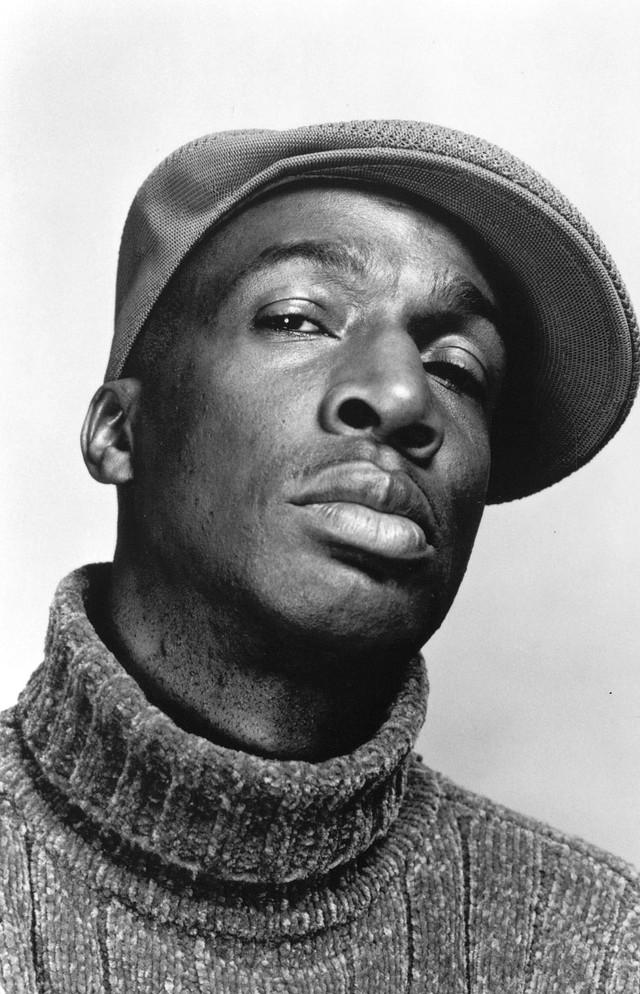
Grandmaster Flash’s Spotify BioDJ Grandmaster Flash and his group the Furious Five were hip-hop's greatest innovators, transcending the genre's party-music origins to explore the full scope of its lyrical and sonic horizons. Flash was born Joseph Saddler in Barbados on January 1, 1958; he began spinning records as teen growing up in the Bronx, performing live at area dances and block parties. By age 19, while attending technical school courses in electronics during the day, he was also spinning on the local disco circuit. Over time, he developed a series of groundbreaking techniques including "cutting" (moving between tracks exactly on the beat), "back-spinning" (manually turning records to repeat brief snippets of sound), and "phasing" (manipulating turntable speeds) -- in short, creating the basic vocabulary which DJs continue to follow even today.
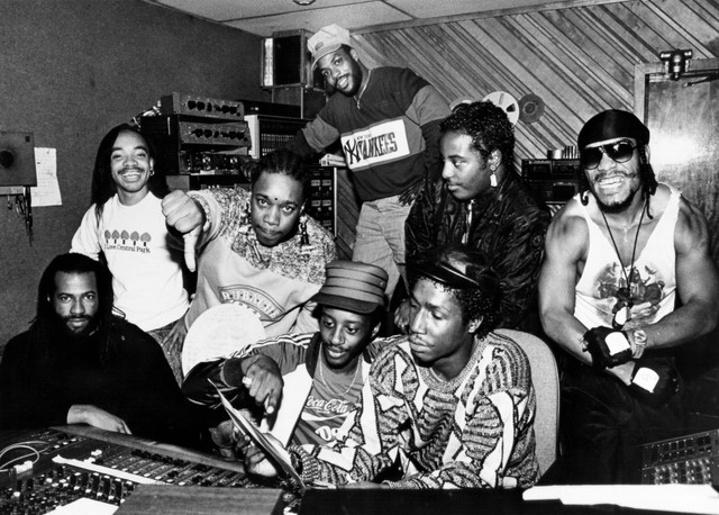
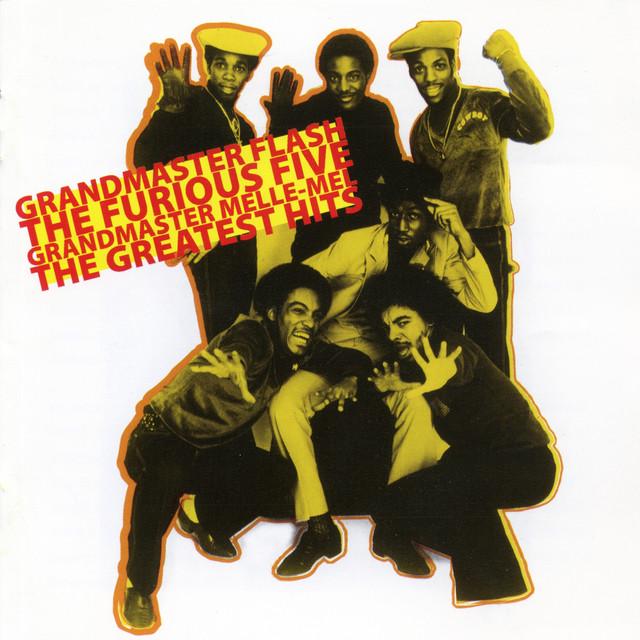
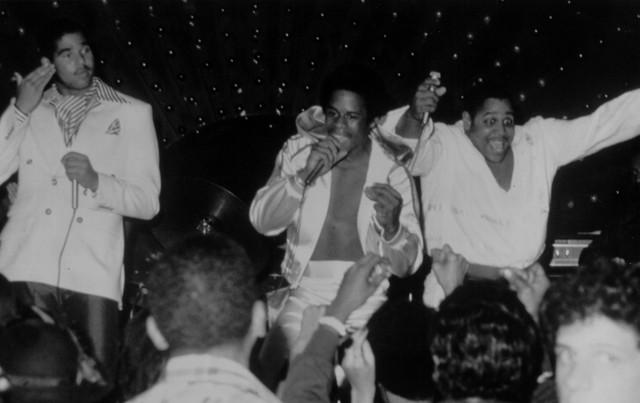
Flash did not begin collaborating with rappers until around 1977, first teaming with the legendary Kurtis Blow. He then began working with the Furious Five -- rappers… Melle Mel (Melvin Glover), Cowboy (Keith Wiggins), Kid Creole (Nathaniel Glover), Mr. Ness aka Scorpio (Eddie Morris), and Rahiem (Guy Williams). The group quickly became legendary throughout New York City, attracting notice not only for Flash's unrivalled skills as a DJ but also for the Five's masterful rapping, most notable for their signature trading and blending of lyrics. Despite their local popularity, they did not record until after the Sugarhill Gang's smash "Rapper's Delight" proved the existence of a market for hip-hop releases; after releasing "We Rap More Mellow" as the Younger Generation, Flash & the Furious Five recorded "Superappin'" for the Enjoy label owned by R&B legend Bobby Robinson. They then switched to Sugar Hill, owned by Sylvia Robinson (no relation), after she promised them an opportunity to rap over a current DJ favorite, "Get Up and Dance" by Freedom (the idea had probably been originally conceived by Crash Crew for their single "High Powered Rap").
That record, 1980's "Freedom," the group's Sugar Hill debut, reached the Top 20 on the R&B chart on its way to selling over 50,000 copies; its follow-up, "Birthday Party," was also a hit. 1981's "The Adventures of Grandmaster Flash on the Wheels of Steel" was the group's first truly landmark recording, introducing Flash's "cutting" techniques to create a stunning sound collage from snippets of songs by Chic, Blondie, and Queen. Flash & the Five's next effort, 1982's "The Message," was even more revelatory -- for the first time, hip-hop became a vehicle not merely for bragging and boasting but for trenchant social commentary, with Melle Mel delivering a blistering rap detailing the grim realities of life in the ghetto. The record was a major critical hit, and it was an enormous step in solidifying rap as an important and enduring form of musical expression.
Following 1983's anti-cocaine polemic "White Lines," relations between Flash and Melle Mel turned ugly, and the rapper soon left the group, forming a new unit also dubbed the Furious Five. After a series of Grandmaster Flash solo albums including 1985's They Said It Couldn't Be Done, 1986's The Source, and 1987's Da Bop Boom Bang, he reformed the original Furious Five lineup for a charity concert at Madison Square Garden; soon after, the reconstituted group recorded a new LP, 1988's On the Strength, which earned a lukewarm reception from fans and critics alike. Another reunion followed in 1994, when the Furious Five joined a rap package tour also including Kurtis Blow and Run-D.M.C. A year later, Flash and Melle Mel also appeared on Duran Duran's cover of "White Lines."
Except for a few compilations during the late '90s, Flash was relatively quiet until 2002, when a pair of mix albums appeared: The Official Adventures of Grandmaster Flash on Strut and Essential Mix: Classic Edition on ffrr. Throughout the 2000s, as a performer, he remained a tireless hip-hop ambassador. He and the Furious Five were inducted into the Rock and Roll Hall of Fame in 2007. Two years later, Flash released an album, The Bridge: Concept of a Culture, on which he was joined by KRS-One, Big Daddy Kane, Q-Tip, and Snoop Dogg, among other rappers. ~ Jason Ankeny, Rovi
Viberate is a music analytics platform built for A&Rs, artist managers, labels, booking agents, marketers, and artists.
It helps music professionals track artist growth, analyze audience data, monitor playlist activity, compare artists, follow song performance, and identify opportunities across the music market.
Public artist pages provide a free preview of selected artist data. Paid plans provide access to deeper analytics, historical data, charts, comparisons, playlist tools, exports, alerts, reports, and additional professional features.
Yes. Public Viberate artist pages provide selected artist analytics and music data for free.
Viberate also offers a 7-day free trial of the full platform. A credit card is required to start the trial. The trial includes access to the complete product so users can test deeper artist analytics, historical views, playlist insights, comparisons, charts, exports, alerts, and reporting features before choosing a paid plan.
Viberate provides artist analytics across streaming, playlists, social media, video, radio airplay, songs, and audience markets.
Users can analyze Spotify performance, Spotify and Apple Music playlists, YouTube activity, TikTok and Instagram growth, radio spins, song performance, audience locations, demographics, rankings, and overall artist momentum.
Artist profiles also connect to music charts, similar artists, and comparison tools, helping users benchmark performance and evaluate artists in context.
Viberate updates key artist and track data daily.
For followed artists and tracks, selected data is refreshed multiple times per day. This helps teams monitor playlist changes, streaming movement, audience growth, releases, and campaign performance with more current data.
Update frequency can vary depending on the metric and data source.
Yes. Viberate lets users compare up to five artists side by side across streaming, social media, audience, and engagement metrics.
Users can compare fanbase growth, audience demographics, locations, Spotify performance, social metrics, and other artist data over selected time periods.
Artist comparison can be used for A&R scouting, benchmarking, booking decisions, campaign planning, and evaluating artists with similar audiences or market positions.