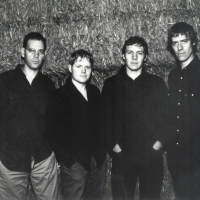
Grand Drive

Country
Americana/Alt Country
Contemporary Country
Folk Rock
 Viberate Rank: 562857
 Viberate Rank: 562857
 Monthly ListenersFollowers
 Subscribers
 Followers
 Followers
 FansTop Spotify Songs
| Track | 7-Day Streams | |
|---|---|---|
1 | 109 | |
2 | 94 | |
3 | 70 | |
4 | 41 | |
5 | 36 |
Top YouTube VideosMonthly ListenersFeatured in Playlists| Playlist | Followers | |
|---|---|---|
1 |  History of Power Pop Luthercal | 2.00K |
2 | The History of Rock and Pop 1955-2020 Lasse Nordgren | 1.91K |
3 | Uncut Magazine Sal Plott | 1.83K |
4 |  Calm and Catchy Indie Pop Seasonal Falls | 1.76K |
5 |  Música para Cafés Matutinos cafenocturn | 1.32K |
Audience| City | Monthly Listeners | |
|---|---|---|
1 | | 56 |
2 |  | 34 |
3 | | 33 |
4 | | 18 |
5 |  | 10 |
See full performance history, audience data, playlist activity, rankings, comparisons, and more in Viberate music analytics. Start with a free trial, then continue with a paid plan.
Grand Drive’s Spotify BioGrand Drive's brothers Danny Wilson (lead vocals/guitar) and Julian Wilson (keyboards) were originally from Australia, but grew up in the stony southwest London suburb of Sutton in the '70s. In school, they met bassist Ed Balch and formed their first group, Soul Green, with several temporary drummers. It wasn't until 1992 that they found a more permanent stickman in Paul Wigens and changed their name to Grand Drive, taking their name from a long, meandering road in South London that connected Raynes Park (where one of the Wilsons lived) with Sutton. Grand Drive's first release was "Tell It Like It Is" (it had originally been recorded in October 1995, but wasn't released until November 1997 as 7" on the Vinyl Junkie label and later reissued on an EP by the Vaclav imprint). The single -- like much of their material, which combines uptempo country-rock with gloriously soulful arrangements -- was named Single of the Week by NME, which called it "one of the most luscious, soul-tugging… singles of the year." Julian Wilson, meanwhile, took time off to play Hammond organ for Gene and also appeared on the Drawn to the Deep End album. In May 1998, Vaclav issued Grand Drive's On a Good Day EP as a limited-edition CD and 7" single. Grand Drive then came to the attention of Tom Bridgewater and Mark Rogers' London-based Loose Recordings (launched in 1998 with their genre-defining New Sounds of the Old West alt-country/American compilations). Loose issued their Wrong Notes EP in December 1998 and, in April 1999, compiled their first album, Road Music, from the three previously released EPs and two singles. The group returned to the studio and in September 2000, Loose released their adventurous True Love and High Adventure album. Comprised of 11 new songs boosted with ornate string and brass arrangements, the album -- co-produced by the Wilsons and producer Pete Hoffman -- raised the bar for orchestral country-rock. After its release, Julian moved to Paris to be with his girlfriend and the band had put any plans on hold until RCA Victor purloined the group and signed it to a substantial record deal. The label re-released True Love and High Adventure and Road Music in April 2001. In June, RCA Victor issued the band's Wheels EP. Coming off a hot performance at the annual SXSW music conference in spring 2003, Grand Drive were more than ready to release their stateside debut in May. Grand Drive collects 13 tracks from the band's three previous albums, which were initially available in the U.K. ~ Bryan Thomas, Rovi
Viberate is a music analytics platform built for A&Rs, artist managers, labels, booking agents, marketers, and artists.
It helps music professionals track artist growth, analyze audience data, monitor playlist activity, compare artists, follow song performance, and identify opportunities across the music market.
Public artist pages provide a free preview of selected artist data. Paid plans provide access to deeper analytics, historical data, charts, comparisons, playlist tools, exports, alerts, reports, and additional professional features.
Yes. Public Viberate artist pages provide selected artist analytics and music data for free.
Viberate also offers a 7-day free trial of the full platform. A credit card is required to start the trial. The trial includes access to the complete product so users can test deeper artist analytics, historical views, playlist insights, comparisons, charts, exports, alerts, and reporting features before choosing a paid plan.
Viberate provides artist analytics across streaming, playlists, social media, video, radio airplay, songs, and audience markets.
Users can analyze Spotify performance, Spotify and Apple Music playlists, YouTube activity, TikTok and Instagram growth, radio spins, song performance, audience locations, demographics, rankings, and overall artist momentum.
Artist profiles also connect to music charts, similar artists, and comparison tools, helping users benchmark performance and evaluate artists in context.
Viberate updates key artist and track data daily.
For followed artists and tracks, selected data is refreshed multiple times per day. This helps teams monitor playlist changes, streaming movement, audience growth, releases, and campaign performance with more current data.
Update frequency can vary depending on the metric and data source.
Yes. Viberate lets users compare up to five artists side by side across streaming, social media, audience, and engagement metrics.
Users can compare fanbase growth, audience demographics, locations, Spotify performance, social metrics, and other artist data over selected time periods.
Artist comparison can be used for A&R scouting, benchmarking, booking decisions, campaign planning, and evaluating artists with similar audiences or market positions.