Graham Sharp

Country
Bluegrass
Americana/Alt Country
 Viberate Rank: 470777
 Viberate Rank: 470777
 Monthly ListenersFollowers
 Subscribers
 Followers
 Followers
 FansTop Spotify Songs
| Track | 7-Day Streams | |
|---|---|---|
1 | 73 | |
2 | 54 | |
3 | 12 | |
4 | 11 | |
5 | 10 |
Top YouTube VideosMonthly ListenersFeatured in Playlists| Playlist | Followers | |
|---|---|---|
1 |  Best of Blue Grass/Country for real Country Folk ReaZ | 4.03K |
2 | Jævla bra countrymusikk Erik Valebrokk | 1.08K |
Audience| City | Monthly Listeners | |
|---|---|---|
1 | | 6 |
2 | | 5 |
3 | | 5 |
4 | | 4 |
5 | | 4 |
See full performance history, audience data, playlist activity, rankings, comparisons, and more in Viberate music analytics. Start with a free trial, then continue with a paid plan.
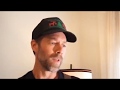
Graham Sharp’s Spotify BioOn How Did We Do It, Graham Sharp, celebrated songwriter and founding member of the Grammy-winning Steep Canyon Rangers, delivers a solo album steeped in gratitude, humor, and love. Building on the stripped-down charm of his 2021 debut, Truer Picture, this collection showcases Sharp’s ability to craft thoughtful songs that evoke warmth and optimism.
"This is a group of songs I've written over the last few years that loosely fell into the basket of love songs," Sharp shares. "All of these tunes are tied to specific moments and places; so for me, it almost reads like a photo album through the past decade or so. Most of these tunes fit nicely onto the banjo, so the bluegrass setting seemed like the obvious choice. Living in Western NC, I’m lucky to have some of the finest bluegrass musicians anywhere as neighbors. This group had never played together as a band so we had a lot of fun putting these little songs together.”
Driven by Sharp’s distinctive banjo playing and deep, resonant vocals,… How Did We Do It moves effortlessly between poignant ballads and lighthearted tracks. Its title track encapsulates the record’s overarching message—a statement of wonder looking back on challenges overcome, expressed with humility and pride. Sharp describes the album as a "thank you" to his family and a reflection of the joy and the difficulties that mark life's milestones.
Viberate is a music analytics platform built for A&Rs, artist managers, labels, booking agents, marketers, and artists.
It helps music professionals track artist growth, analyze audience data, monitor playlist activity, compare artists, follow song performance, and identify opportunities across the music market.
Public artist pages provide a free preview of selected artist data. Paid plans provide access to deeper analytics, historical data, charts, comparisons, playlist tools, exports, alerts, reports, and additional professional features.
Yes. Public Viberate artist pages provide selected artist analytics and music data for free.
Viberate also offers a 7-day free trial of the full platform. A credit card is required to start the trial. The trial includes access to the complete product so users can test deeper artist analytics, historical views, playlist insights, comparisons, charts, exports, alerts, and reporting features before choosing a paid plan.
Viberate provides artist analytics across streaming, playlists, social media, video, radio airplay, songs, and audience markets.
Users can analyze Spotify performance, Spotify and Apple Music playlists, YouTube activity, TikTok and Instagram growth, radio spins, song performance, audience locations, demographics, rankings, and overall artist momentum.
Artist profiles also connect to music charts, similar artists, and comparison tools, helping users benchmark performance and evaluate artists in context.
Viberate updates key artist and track data daily.
For followed artists and tracks, selected data is refreshed multiple times per day. This helps teams monitor playlist changes, streaming movement, audience growth, releases, and campaign performance with more current data.
Update frequency can vary depending on the metric and data source.
Yes. Viberate lets users compare up to five artists side by side across streaming, social media, audience, and engagement metrics.
Users can compare fanbase growth, audience demographics, locations, Spotify performance, social metrics, and other artist data over selected time periods.
Artist comparison can be used for A&R scouting, benchmarking, booking decisions, campaign planning, and evaluating artists with similar audiences or market positions.