Gradience

Rock
Hard Rock
Heavy Metal
 Viberate Rank: 238782
 Viberate Rank: 238782
 Monthly ListenersFollowers
 Subscribers
 Followers
 Followers
 FansTop Spotify Songs
| Track | 7-Day Streams | |
|---|---|---|
1 | 33 | |
2 | 25 | |
3 | 25 | |
4 | 25 | |
5 | 8 |
Top YouTube VideosMonthly ListenersFeatured in Playlists| Playlist | Followers | |
|---|---|---|
1 |  Alternative Rock Hits KillerHedgehog | 3.32K |
2 |  Tool influenced bands Tsantalis Chris | 2.07K |
3 |  METAL MANIACS Bjørn Ciggaar | 1.83K |
4 |  Pearl Jam influenced bands Tsantalis Chris | 1.79K |
5 |  Get Your Rocks Off 🤘 Niclimusic | 1.76K |
Audience| City | Monthly Listeners | |
|---|---|---|
1 | | 22 |
2 | | 7 |
3 |  | 3 |
4 | | 3 |
See full performance history, audience data, playlist activity, rankings, comparisons, and more in Viberate music analytics. Start with a free trial, then continue with a paid plan.
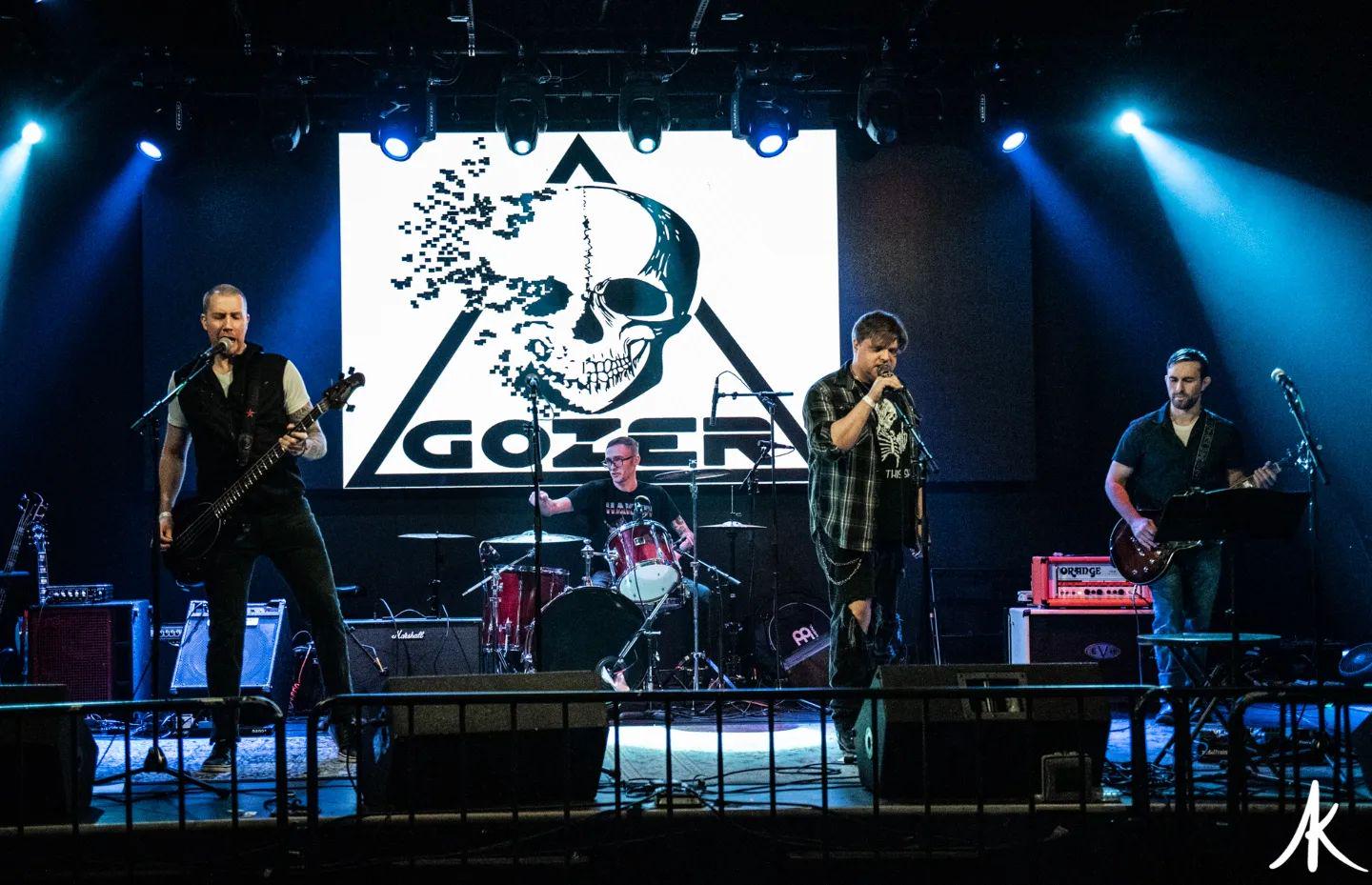
Gradience’s Spotify BioGradience is a high-energy four piece rock band that takes inspiration from some of their favorite classic and modern rock and metal bands.
The band started out as a three piece in August 2019, under the name "Jumping Elephants", with John Dvorak on guitar and vocals, Ford Johnson on bass, and Tom Nelson on drums. At their first show at the homecoming talent show at Minnesota State University Moorhead, they met singer/songwriter Darian Clark, who happened to have performed right after them. Darian was asked to join the band as a bassist and vocalist soon after the show.
The band would jam together from time to time, however, It wouldn't be until February 2020 that the band would officially reamerge as "Gradience" with the lineup of John, Darian, Ford, and Tom. And just it seemed things were picking up, the COVID-19 pandemic had struck the U.S.
They took the time away to work on music and came back together by the end of 2020 to record a few songs, one of them being their first single,… "Darkest Hour", which released in January 2021.
They put together their first summer tour, playing 12 shows from May to September all across North Dakota and Minnesota just as live music began returning in 2021 for the first time since the start of the pandemic last spring.
On May 7th 2022, They released their debut album, "THE CALL", which was completely self produced and recorded during their time in college.
Their latest album, "Come What May" is the next phase in their evolution.
Viberate is a music analytics platform built for A&Rs, artist managers, labels, booking agents, marketers, and artists.
It helps music professionals track artist growth, analyze audience data, monitor playlist activity, compare artists, follow song performance, and identify opportunities across the music market.
Public artist pages provide a free preview of selected artist data. Paid plans provide access to deeper analytics, historical data, charts, comparisons, playlist tools, exports, alerts, reports, and additional professional features.
Yes. Public Viberate artist pages provide selected artist analytics and music data for free.
Viberate also offers a 7-day free trial of the full platform. A credit card is required to start the trial. The trial includes access to the complete product so users can test deeper artist analytics, historical views, playlist insights, comparisons, charts, exports, alerts, and reporting features before choosing a paid plan.
Viberate provides artist analytics across streaming, playlists, social media, video, radio airplay, songs, and audience markets.
Users can analyze Spotify performance, Spotify and Apple Music playlists, YouTube activity, TikTok and Instagram growth, radio spins, song performance, audience locations, demographics, rankings, and overall artist momentum.
Artist profiles also connect to music charts, similar artists, and comparison tools, helping users benchmark performance and evaluate artists in context.
Viberate updates key artist and track data daily.
For followed artists and tracks, selected data is refreshed multiple times per day. This helps teams monitor playlist changes, streaming movement, audience growth, releases, and campaign performance with more current data.
Update frequency can vary depending on the metric and data source.
Yes. Viberate lets users compare up to five artists side by side across streaming, social media, audience, and engagement metrics.
Users can compare fanbase growth, audience demographics, locations, Spotify performance, social metrics, and other artist data over selected time periods.
Artist comparison can be used for A&R scouting, benchmarking, booking decisions, campaign planning, and evaluating artists with similar audiences or market positions.