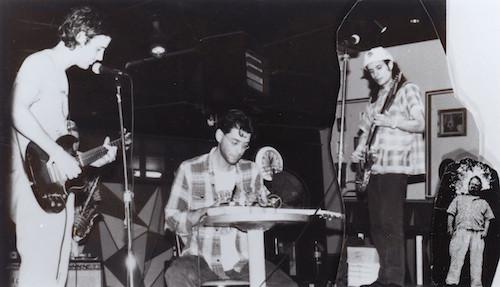
Gowns

Rock
Indie Rock
Alternative Rock
Other Electronic Music
 Viberate Rank: 644329
 Viberate Rank: 644329
 Monthly ListenersFollowers
 Subscribers
 Followers
 Followers
 FansTop Spotify Songs
| Track | 7-Day Streams | |
|---|---|---|
1 | 156 | |
2 | 124 | |
3 | 86 | |
4 | 76 | |
5 | 73 |
Top YouTube VideosMonthly ListenersFeatured in Playlists| Playlist | Followers | |
|---|---|---|
1 |  Duyster (all tracks ever played) Wike | 8.15K |
2 |  What's In My Ears Fink | 4.17K |
3 |  Perfume Genius Radio Perfume Genius | 3.33K |
4 |  Studio Brussel: duyster (all tracks ever played) Studio Brussel | 3.29K |
5 | Nocturnal Moses Sumney | 1.67K |
Audience| City | Monthly Listeners | |
|---|---|---|
1 | | 16 |
2 | | 15 |
3 | | 15 |
4 | | 14 |
5 |  | 14 |
See full performance history, audience data, playlist activity, rankings, comparisons, and more in Viberate music analytics. Start with a free trial, then continue with a paid plan.
Gowns’ Spotify BioThe core of the neo-psychedelic folk outfit Gowns consists of singers and songwriters Erika Anderson and Ezra Buchla. Buchla (the son of pioneering synthesizer developer Don Buchla, whose first-generation electronic music devices were used by Morton Subotnick and others) had been a founding member of the Los Angeles noise punk outfit the Mae Shi, while Anderson had played guitar with Henry Barnes' eclectic experimental project Amps for Christ. Along with drummer Corey Fogel, one of Buchla's former Mae Shi bandmates, Buchla and Anderson relocated to San Francisco and formed the dark and moodier Gowns in 2006. Red State, recorded in Anderson's home state of South Dakota, was released in late 2007. After the album's release, Fogel was replaced by new drummer Jacob Felix Heule and bassist Aaron Davis was added to the lineup. The group's third album, Broken Bones, arrived in 2009. Gowns disbanded in early 2010, with Anderson moving on to a solo career as EMA. ~ Stewart Mason, Rovi
Viberate is a music analytics platform built for A&Rs, artist managers, labels, booking agents, marketers, and artists.
It helps music professionals track artist growth, analyze audience data, monitor playlist activity, compare artists, follow song performance, and identify opportunities across the music market.
Public artist pages provide a free preview of selected artist data. Paid plans provide access to deeper analytics, historical data, charts, comparisons, playlist tools, exports, alerts, reports, and additional professional features.
Yes. Public Viberate artist pages provide selected artist analytics and music data for free.
Viberate also offers a 7-day free trial of the full platform. A credit card is required to start the trial. The trial includes access to the complete product so users can test deeper artist analytics, historical views, playlist insights, comparisons, charts, exports, alerts, and reporting features before choosing a paid plan.
Viberate provides artist analytics across streaming, playlists, social media, video, radio airplay, songs, and audience markets.
Users can analyze Spotify performance, Spotify and Apple Music playlists, YouTube activity, TikTok and Instagram growth, radio spins, song performance, audience locations, demographics, rankings, and overall artist momentum.
Artist profiles also connect to music charts, similar artists, and comparison tools, helping users benchmark performance and evaluate artists in context.
Viberate updates key artist and track data daily.
For followed artists and tracks, selected data is refreshed multiple times per day. This helps teams monitor playlist changes, streaming movement, audience growth, releases, and campaign performance with more current data.
Update frequency can vary depending on the metric and data source.
Yes. Viberate lets users compare up to five artists side by side across streaming, social media, audience, and engagement metrics.
Users can compare fanbase growth, audience demographics, locations, Spotify performance, social metrics, and other artist data over selected time periods.
Artist comparison can be used for A&R scouting, benchmarking, booking decisions, campaign planning, and evaluating artists with similar audiences or market positions.