Gorgeous

Electronic
Dance
 Viberate Rank: 506220
 Viberate Rank: 506220
 Monthly ListenersFollowers
 Subscribers
 Followers
 Followers
 FansTop Spotify SongsTop YouTube VideosMonthly ListenersFeatured in Playlists
| Playlist | Followers | |
|---|---|---|
1 |  90s Techno Classics my.charts.music | 29.31K |
2 |  90er Techno Trance 90s MarcoAux | 11.40K |
3 |  Dreamy Dance Classics di.fm | 11.20K |
4 |  Club, Rave & Techno Classics 90s - 2005 d8000k | 10.69K |
5 |  Classic Trance (1990-2005) Darius G 🎧 | 9.70K |
Audience| City | Monthly Listeners | |
|---|---|---|
1 | | 123 |
2 | | 85 |
3 | | 78 |
4 | | 62 |
5 | | 60 |
See full performance history, audience data, playlist activity, rankings, comparisons, and more in Viberate music analytics. Start with a free trial, then continue with a paid plan.
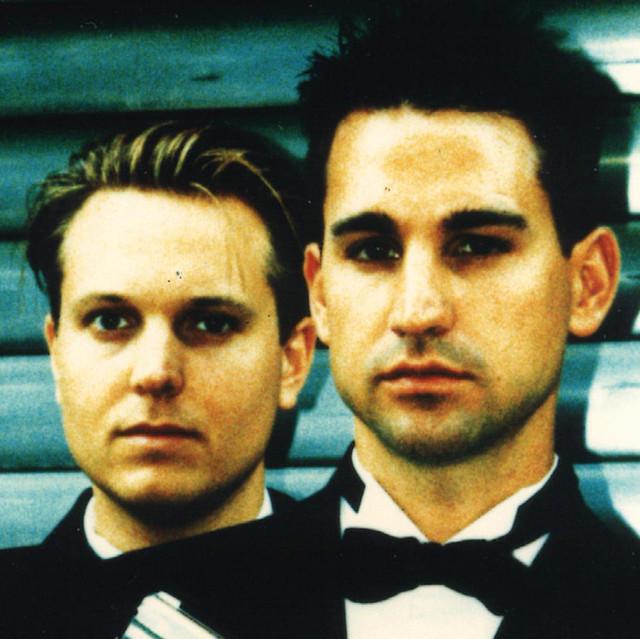
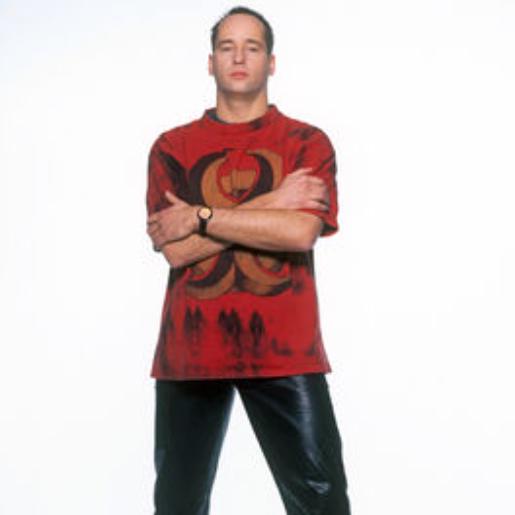
Gorgeous’ Spotify BioGorgeous was the first project by the team today known as Blank & Jones. In 1995 Piet Blank and Andy Kaufhold signed their first Record Deal with EMI for Gorgeous. After the first release "Relax“ in the same year, the 1996 release "Don't Stop“ featured the first collaboration of Piet Blank & Jaspa Jones on a Remix for the track. A year later in 1997 it gave them their first Chart Entry in the Official German Sales Charts (Peaking at # 56). "Don’t Stop was also remixed by Future Breeze, but it was the Original Version which was selected by the Love Parade Team for their annual Berlin Love Parade Compilation "Let The Sunshine In Your Heart“ in 1997. The third Single "I'm Gorgeous“ was already written and produced by all three Blank & Jones members: Piet Blank, Jaspa Jones, Andy Kaufhold. While Piet and Jaspa also had the side project Da Bomb in 1997 and Blank & Jones started very promising, they decided to release only one more record as Gorgeous: Single number four "Love Sensation“ was… released in 1998 and also reached the Official German TOP 100 Sales Charts. In 2001 "Be Cool“ by Paffendorf used the melody line of Gorgeous' "I’m Gorgeous“ and reached the TOP 10 in the UK in 2002.
Viberate is a music analytics platform built for A&Rs, artist managers, labels, booking agents, marketers, and artists.
It helps music professionals track artist growth, analyze audience data, monitor playlist activity, compare artists, follow song performance, and identify opportunities across the music market.
Public artist pages provide a free preview of selected artist data. Paid plans provide access to deeper analytics, historical data, charts, comparisons, playlist tools, exports, alerts, reports, and additional professional features.
Yes. Public Viberate artist pages provide selected artist analytics and music data for free.
Viberate also offers a 7-day free trial of the full platform. A credit card is required to start the trial. The trial includes access to the complete product so users can test deeper artist analytics, historical views, playlist insights, comparisons, charts, exports, alerts, and reporting features before choosing a paid plan.
Viberate provides artist analytics across streaming, playlists, social media, video, radio airplay, songs, and audience markets.
Users can analyze Spotify performance, Spotify and Apple Music playlists, YouTube activity, TikTok and Instagram growth, radio spins, song performance, audience locations, demographics, rankings, and overall artist momentum.
Artist profiles also connect to music charts, similar artists, and comparison tools, helping users benchmark performance and evaluate artists in context.
Viberate updates key artist and track data daily.
For followed artists and tracks, selected data is refreshed multiple times per day. This helps teams monitor playlist changes, streaming movement, audience growth, releases, and campaign performance with more current data.
Update frequency can vary depending on the metric and data source.
Yes. Viberate lets users compare up to five artists side by side across streaming, social media, audience, and engagement metrics.
Users can compare fanbase growth, audience demographics, locations, Spotify performance, social metrics, and other artist data over selected time periods.
Artist comparison can be used for A&R scouting, benchmarking, booking decisions, campaign planning, and evaluating artists with similar audiences or market positions.