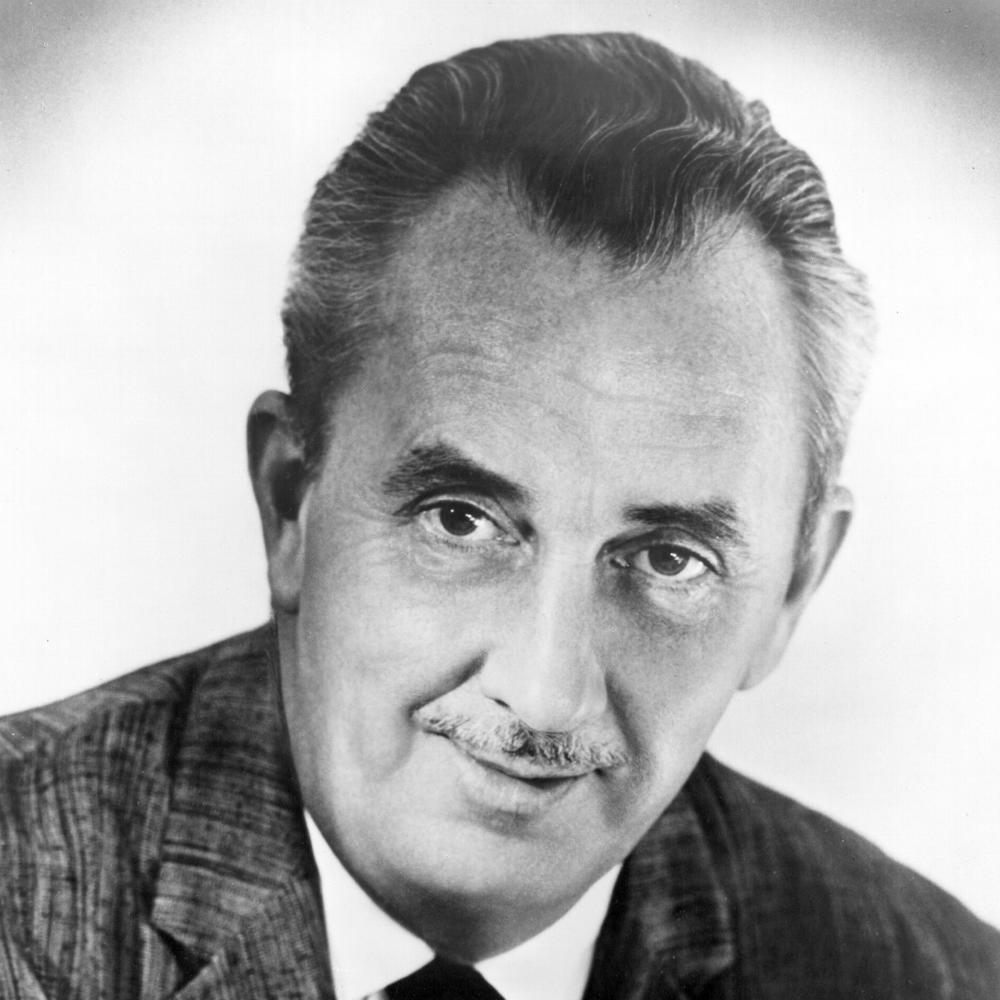
Gordon Jenkins

Classical
Classical Crossover
Swing
 Viberate Rank: 146910
 Viberate Rank: 146910
 Monthly ListenersFollowers
 Subscribers
 Followers
 Followers
 FansTop Spotify Songs
| Track | 7-Day Streams | |
|---|---|---|
1 | 15.35K | |
2 | 15.35K | |
3 | 6.99K | |
4 | 2.34K | |
5 | 2.32K |
Top YouTube VideosMonthly ListenersFeatured in Playlists| Playlist | Followers | |
|---|---|---|
1 |  The OC Soundtrack [All Seasons Playlist] Solitude Collective | 138.10K |
2 |  The OC Jamie Barmakian | 39.82K |
3 | Songs: Mad Men Kenneth Lorence | 30.53K |
4 |  Mad Men Soundtrack rubyrubyruby399 | 30.30K |
5 |  Mad Men Soundtrack: All Seasons (OST) Movie Soundtracks | 25.24K |
Audience| City | Monthly Listeners | |
|---|---|---|
1 | | 122 |
2 | | 91 |
3 |  | 80 |
4 | | 70 |
5 |  | 66 |
See full performance history, audience data, playlist activity, rankings, comparisons, and more in Viberate music analytics. Start with a free trial, then continue with a paid plan.
Gordon Jenkins’ Spotify BioGordon Jenkins enjoyed sizable fame as an arranger, conductor, composer, and bandleader from the '30s through the '60s. He began as a multi-instrumentalist freelancing on radio, then became a prolific arranger, contributing to sessions by Isham Jones, Benny Goodman, Lennie Hayton, and others. He conducted The Show Is On in 1935 on Broadway. After a stint with Paramount, he worked for NBC in Hollywood from 1938-1944 and was Dick Haymes' arranger for four years after that. He became the managing director for Decca and had several hits for the label in the late '40s and '50s. He's noted for spotting the Weavers folk group in the Village Vanguard in the early '50s, getting them a recording session and later backing them. He supported other stars such as Louis Armstrong, the Andrews Sisters, and Haymes in the '50s. Later he was Judy Garland's conductor for an English concert, and then Nat King Cole's arranger and conductor for a time. Jenkins won a Grammy in 1967 for the Frank Sinatra album… September of My Years. ~ Ron Wynn, Rovi
Viberate is a music analytics platform built for A&Rs, artist managers, labels, booking agents, marketers, and artists.
It helps music professionals track artist growth, analyze audience data, monitor playlist activity, compare artists, follow song performance, and identify opportunities across the music market.
Public artist pages provide a free preview of selected artist data. Paid plans provide access to deeper analytics, historical data, charts, comparisons, playlist tools, exports, alerts, reports, and additional professional features.
Yes. Public Viberate artist pages provide selected artist analytics and music data for free.
Viberate also offers a 7-day free trial of the full platform. A credit card is required to start the trial. The trial includes access to the complete product so users can test deeper artist analytics, historical views, playlist insights, comparisons, charts, exports, alerts, and reporting features before choosing a paid plan.
Viberate provides artist analytics across streaming, playlists, social media, video, radio airplay, songs, and audience markets.
Users can analyze Spotify performance, Spotify and Apple Music playlists, YouTube activity, TikTok and Instagram growth, radio spins, song performance, audience locations, demographics, rankings, and overall artist momentum.
Artist profiles also connect to music charts, similar artists, and comparison tools, helping users benchmark performance and evaluate artists in context.
Viberate updates key artist and track data daily.
For followed artists and tracks, selected data is refreshed multiple times per day. This helps teams monitor playlist changes, streaming movement, audience growth, releases, and campaign performance with more current data.
Update frequency can vary depending on the metric and data source.
Yes. Viberate lets users compare up to five artists side by side across streaming, social media, audience, and engagement metrics.
Users can compare fanbase growth, audience demographics, locations, Spotify performance, social metrics, and other artist data over selected time periods.
Artist comparison can be used for A&R scouting, benchmarking, booking decisions, campaign planning, and evaluating artists with similar audiences or market positions.