Gordon Beck

Jazz
Big band Jazz
Jazz Fusion
 Viberate Rank: 421795
 Viberate Rank: 421795
 Monthly ListenersFollowers
 Subscribers
 Followers
 Followers
 FansTop Spotify Songs
| Track | 7-Day Streams | |
|---|---|---|
1 | 569 | |
2 | 118 | |
3 | 96 | |
4 | 81 | |
5 | 56 |
Top YouTube VideosMonthly ListenersFeatured in Playlists| Playlist | Followers | |
|---|---|---|
1 |  Jazz Meets Classical Spotify | 321.57K |
2 |  Fast Jazz! Filip Grbović | 10.84K |
3 |  j*zz for crazy people Sam Revaz | 9.10K |
4 |  Jazz-Rock Fusion Morgan Roussel | 7.54K |
5 | ECM RECORDS Artists On Spotify [www.laut.fm/gubifm] www.laut.fm/gubifm | 4.08K |
Audience| City | Monthly Listeners | |
|---|---|---|
1 |  | 39 |
2 |  | 33 |
3 |  | 30 |
4 | | 26 |
5 | | 26 |
See full performance history, audience data, playlist activity, rankings, comparisons, and more in Viberate music analytics. Start with a free trial, then continue with a paid plan.
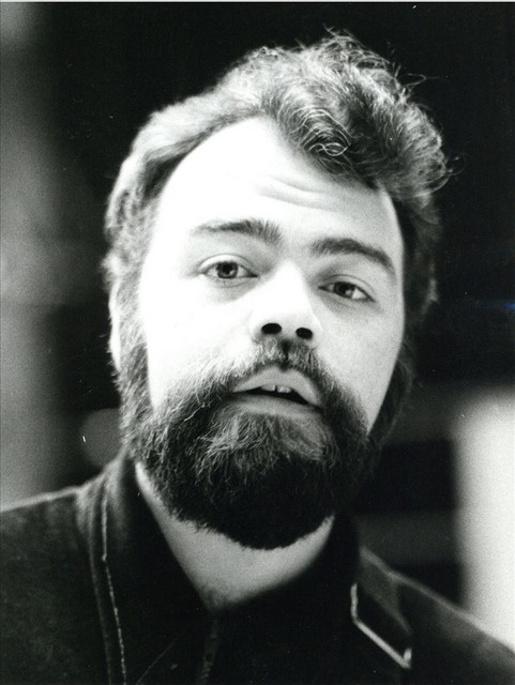
Gordon Beck’s Spotify BioBeck was a self-taught musician who left the engineering world to become a professional player in England. He eventually blossomed into one of Europe's finest studio and session pianists, able to function effectively in many settings and alongside any vocalist or instrumentalist. His father was a violinist, and Beck started his jazz career with various London bands before joining Tubby Hayes in 1962. Beck stayed in that group three years, making his first tours outside England, before beginning his own band. Beck's trio was the house band at the Ronnie Scott's club in the late '60s, and in 1967 Beck began cutting albums and doing studio work. He gained international attention from 1969-1972 as part of Phil Woods' European Rhythm Machine, his strong playing and propulsive solos making him an effective contrasting voice within the group to Woods. The Machine toured America in 1971, and Beck left the following year to start another band, Gyroscope, and also reactivated his trio. He was… part of the group Piano Conclave in the early '70s, but became a busy freelancer from 1974 on, working with major stars like Lena Horne, Gary Burton, Clark Terry, Charles Tolliver, and Woods again. He also got involved in education, becoming co-organizer of the Treforest Summer School in 1978. ~ Ron Wynn, Rovi
Viberate is a music analytics platform built for A&Rs, artist managers, labels, booking agents, marketers, and artists.
It helps music professionals track artist growth, analyze audience data, monitor playlist activity, compare artists, follow song performance, and identify opportunities across the music market.
Public artist pages provide a free preview of selected artist data. Paid plans provide access to deeper analytics, historical data, charts, comparisons, playlist tools, exports, alerts, reports, and additional professional features.
Yes. Public Viberate artist pages provide selected artist analytics and music data for free.
Viberate also offers a 7-day free trial of the full platform. A credit card is required to start the trial. The trial includes access to the complete product so users can test deeper artist analytics, historical views, playlist insights, comparisons, charts, exports, alerts, and reporting features before choosing a paid plan.
Viberate provides artist analytics across streaming, playlists, social media, video, radio airplay, songs, and audience markets.
Users can analyze Spotify performance, Spotify and Apple Music playlists, YouTube activity, TikTok and Instagram growth, radio spins, song performance, audience locations, demographics, rankings, and overall artist momentum.
Artist profiles also connect to music charts, similar artists, and comparison tools, helping users benchmark performance and evaluate artists in context.
Viberate updates key artist and track data daily.
For followed artists and tracks, selected data is refreshed multiple times per day. This helps teams monitor playlist changes, streaming movement, audience growth, releases, and campaign performance with more current data.
Update frequency can vary depending on the metric and data source.
Yes. Viberate lets users compare up to five artists side by side across streaming, social media, audience, and engagement metrics.
Users can compare fanbase growth, audience demographics, locations, Spotify performance, social metrics, and other artist data over selected time periods.
Artist comparison can be used for A&R scouting, benchmarking, booking decisions, campaign planning, and evaluating artists with similar audiences or market positions.