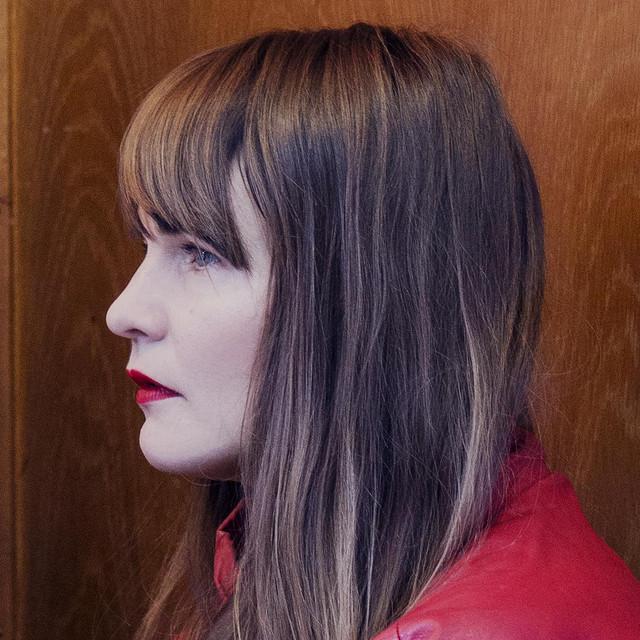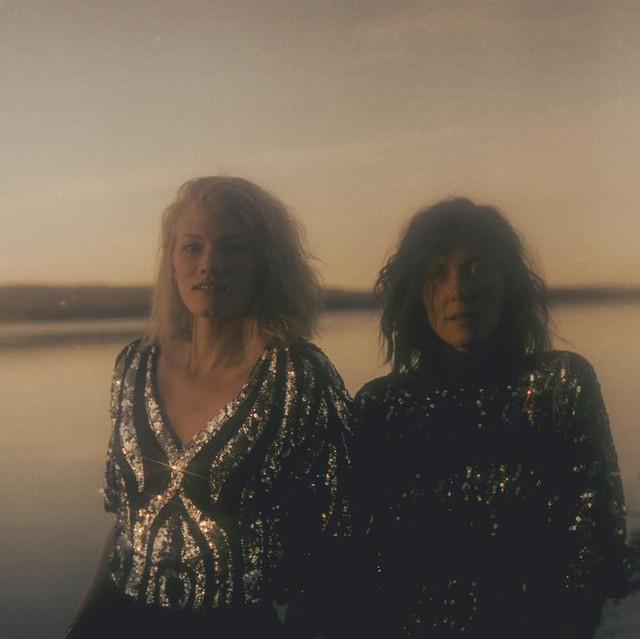
Good Harvest

Country
Americana/Alt Country
 Viberate Rank: 212937
 Viberate Rank: 212937
 Monthly ListenersFollowers
 Subscribers
 Followers
 Followers
 FansTop Spotify Songs
| Track | 7-Day Streams | |
|---|---|---|
1 | 891 | |
2 | 579 | |
3 | 403 | |
4 | 276 | |
5 | 200 |
Top YouTube VideosMonthly ListenersFeatured in Playlists| Playlist | Followers | |
|---|---|---|
1 | Best of HiFi || Audiophile HD Test music || LossLess audio Jerom de Wilt | 6.41K |
2 | Cover it! Best Indie Covers of The 00s Josefin Girdo | 4.10K |
3 |  Folkmusiken i P2 P2 Sveriges Radio | 3.87K |
4 |  Julmusik 50 The Sounds of Spotify | 3.08K |
5 | Chill Instrumental Bluegrass by Gail Gail Bruce Hyatt | 2.65K |
Audience| City | Monthly Listeners | |
|---|---|---|
1 | | 486 |
2 | | 204 |
3 | | 118 |
4 | | 79 |
5 | | 79 |
See full performance history, audience data, playlist activity, rankings, comparisons, and more in Viberate music analytics. Start with a free trial, then continue with a paid plan.
Good Harvest’s Spotify BioAmericana-inspired Swedish duo Good Harvest was formed in 2010 by singer/guitarists Hanna Enlöf and Ylva Eriksson, who had met at the age of 15 in their hometown of Falun when they both joined the same folk-pop band. Immediately recognizing one another as kindred spirits, they bonded over a shared love of Simon & Garfunkel, Nick Drake, Joni Mitchell, and Gillian Welch. When the band dissolved, they decided to continue as a duo, quickly going from covering their heroes to writing their own material. Both superb vocalists and instrumentalists, they forged a rich, warm, intricate country-folk style, characterized by gorgeous vocal harmonies and thrilling intertwined fingerpicking, which sounded much larger than the work of just two people. They built a solid reputation through playing live before self-releasing in 2014 their debut EP, Bottom Dollar, which was extremely well received. They kept the momentum going with a number of digital singles, and played shows at the massive festivals… SXSW and Stockholm Music & Arts. Along the way they also played for the King of Sweden, performed on national TV, and won Newcomer of the Year at the Dalecarlia Music Awards, which celebrated artists from their home province of Dalarna. In 2016 Good Harvest signed to Roxette guitarist Per Gessle's artist-centric Space Station 12 label and released their cover of the Joni Mitchell classic "Woodstock." The track was a viral sensation, with a live-in-the-studio video version shared on their Facebook page accruing nearly two million hits in two weeks. The single "Charly" followed the same year, and their debut full-length album, In a Life and Place Like This, in 2017. Produced by Erik Berglund (Solen, Many Voices Speak), it saw them joined by bassist Svante Henryson and drummer Björn Sima to fill out their sound. ~ John D. Buchanan, Rovi
Viberate is a music analytics platform built for A&Rs, artist managers, labels, booking agents, marketers, and artists.
It helps music professionals track artist growth, analyze audience data, monitor playlist activity, compare artists, follow song performance, and identify opportunities across the music market.
Public artist pages provide a free preview of selected artist data. Paid plans provide access to deeper analytics, historical data, charts, comparisons, playlist tools, exports, alerts, reports, and additional professional features.
Yes. Public Viberate artist pages provide selected artist analytics and music data for free.
Viberate also offers a 7-day free trial of the full platform. A credit card is required to start the trial. The trial includes access to the complete product so users can test deeper artist analytics, historical views, playlist insights, comparisons, charts, exports, alerts, and reporting features before choosing a paid plan.
Viberate provides artist analytics across streaming, playlists, social media, video, radio airplay, songs, and audience markets.
Users can analyze Spotify performance, Spotify and Apple Music playlists, YouTube activity, TikTok and Instagram growth, radio spins, song performance, audience locations, demographics, rankings, and overall artist momentum.
Artist profiles also connect to music charts, similar artists, and comparison tools, helping users benchmark performance and evaluate artists in context.
Viberate updates key artist and track data daily.
For followed artists and tracks, selected data is refreshed multiple times per day. This helps teams monitor playlist changes, streaming movement, audience growth, releases, and campaign performance with more current data.
Update frequency can vary depending on the metric and data source.
Yes. Viberate lets users compare up to five artists side by side across streaming, social media, audience, and engagement metrics.
Users can compare fanbase growth, audience demographics, locations, Spotify performance, social metrics, and other artist data over selected time periods.
Artist comparison can be used for A&R scouting, benchmarking, booking decisions, campaign planning, and evaluating artists with similar audiences or market positions.