Gone Stereo

Punk
Punk Rock
Pop Punk
 Viberate Rank: 516273
 Viberate Rank: 516273
 Monthly ListenersFollowers
 Subscribers
 Followers
 Followers
 FansTop Spotify Songs
| Track | 7-Day Streams | |
|---|---|---|
1 | 31 | |
2 | 28 | |
3 | 28 | |
4 | 27 | |
5 | 21 |
Top YouTube VideosMonthly ListenersFeatured in Playlists| Playlist | Followers | |
|---|---|---|
1 |  All New Pop Punk 2026 (PUNKERS HUB) PUNKLOID | 4.74K |
2 |  Old Rock Hits 🎸 🔋 | 2.96K |
3 |  Punk rock Collection Tiby Flashback | 2.41K |
4 |  An Alternative Rock Surprise! - Blue Skin Music Blue Skin Music | 1.99K |
5 |  ALT INDIE RADIO Mmur.spotify | 1.70K |
Audience| City | Monthly Listeners | |
|---|---|---|
1 | | 12 |
2 | | 9 |
3 | | 5 |
4 | | 5 |
5 | | 4 |
See full performance history, audience data, playlist activity, rankings, comparisons, and more in Viberate music analytics. Start with a free trial, then continue with a paid plan.
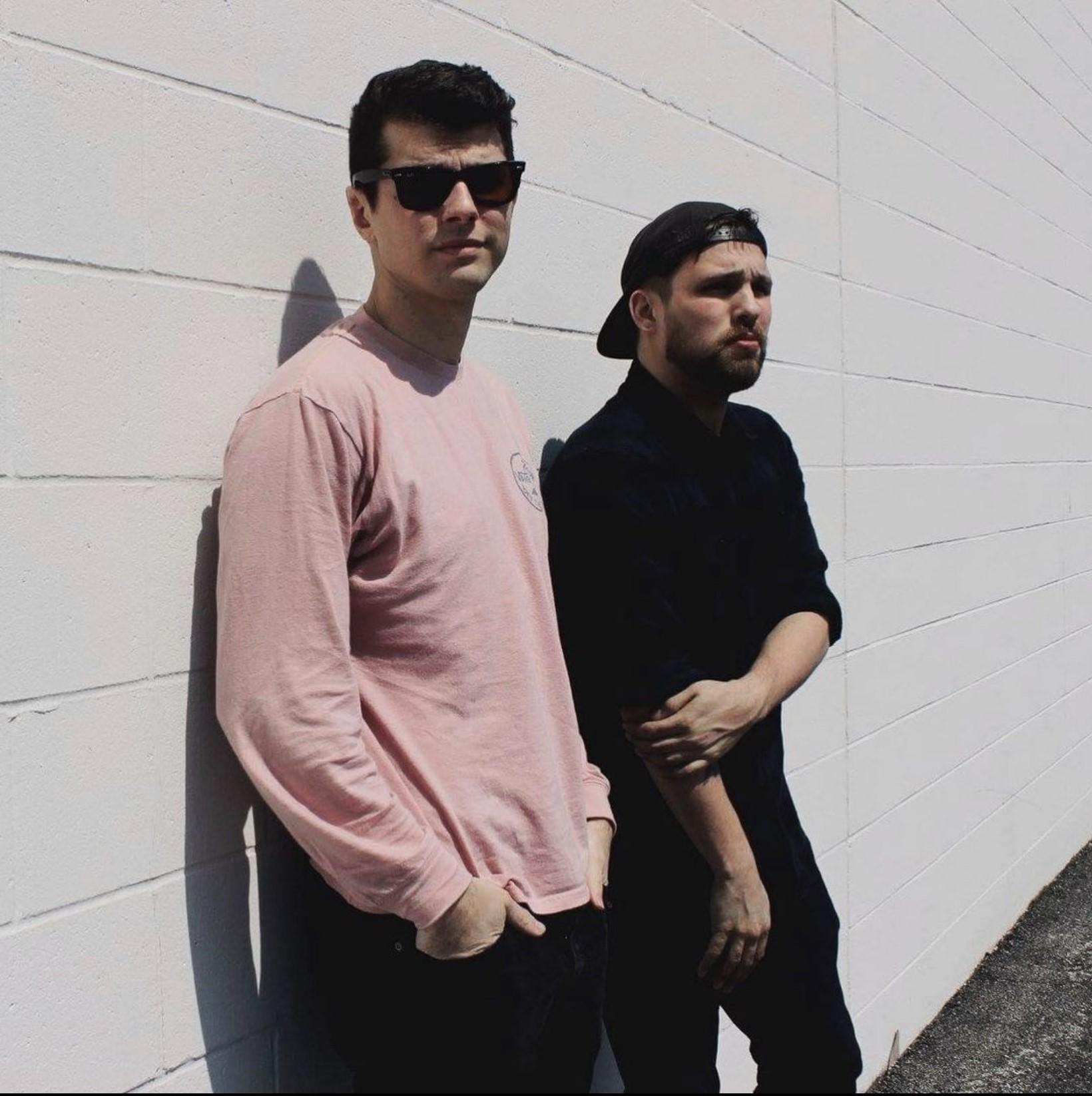
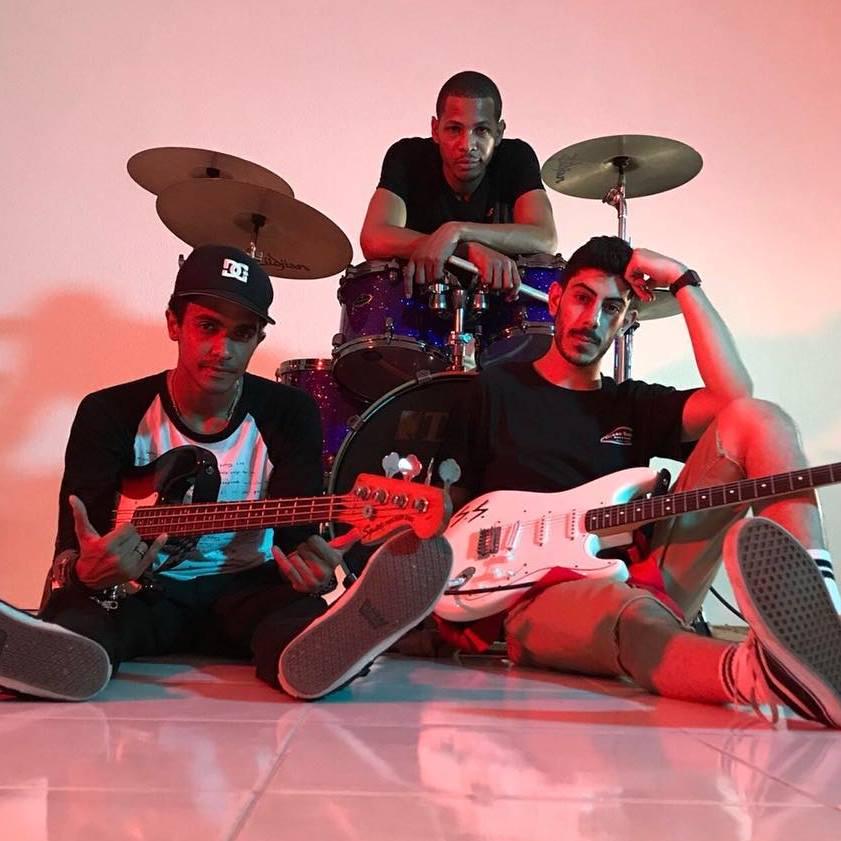
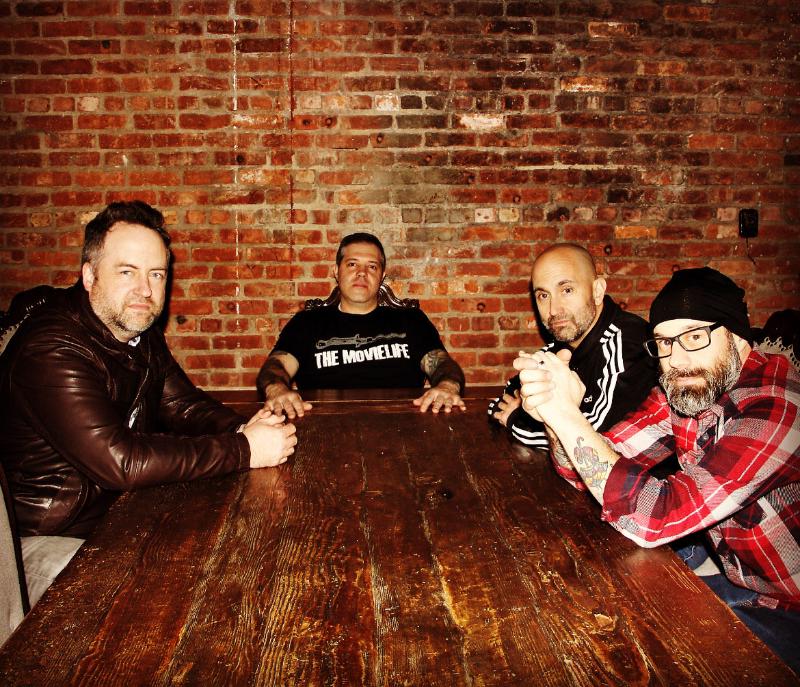
Gone Stereo’s Spotify BioGone Stereo is a five-piece melodic pop punk band from Long Island, New York, that was established in 2022. Their distinctive sound, a fusion of 1990s influences and early 2000s pop punk, is poised to captivate audiences.
With their electrifying live performances, soaring vocal harmonies, and captivating guitar riffs, Gone Stereo leaves listeners dancing and singing along.
Initially, Gone Stereo commenced as a pandemic solo project led by Matty Lupinacci. However, with the support of esteemed friends, the band evolved into a fully realized ensemble.
The current lineup comprises Chris Lynam on guitar vocals, Josh Freeman on guitar, Mike Drinkwalter on bass, and Danny DiGiuseppe on drums. All of these members have been integral to the Long Island punk scene for over two decades, and their diverse musical backgrounds contribute to the band’s songwriting and musical arrangements.
In both 2022 and 2023, Gone Stereo secured a two-single record deal with Negative Progression Records. Since then,… they have been featured on regular rotation on Sirius XM’s Faction Punk radio. Gone Stereo has performed alongside notable acts such as The Iron Roses, Hidden in Plain View, Vinnie Caruana (The Movielife, I Am the Avalanche), Calling All Captains, and Boys of Fall.
Members:
- Matty Lupinacci (Vocals)
- Chris Lynam (Guitar Vocals)
- Josh Freeman (Guitar)
- Mike Drinkwalter (Bass)
- Danny DiGiuseppe (Drums)
Viberate is a music analytics platform built for A&Rs, artist managers, labels, booking agents, marketers, and artists.
It helps music professionals track artist growth, analyze audience data, monitor playlist activity, compare artists, follow song performance, and identify opportunities across the music market.
Public artist pages provide a free preview of selected artist data. Paid plans provide access to deeper analytics, historical data, charts, comparisons, playlist tools, exports, alerts, reports, and additional professional features.
Yes. Public Viberate artist pages provide selected artist analytics and music data for free.
Viberate also offers a 7-day free trial of the full platform. A credit card is required to start the trial. The trial includes access to the complete product so users can test deeper artist analytics, historical views, playlist insights, comparisons, charts, exports, alerts, and reporting features before choosing a paid plan.
Viberate provides artist analytics across streaming, playlists, social media, video, radio airplay, songs, and audience markets.
Users can analyze Spotify performance, Spotify and Apple Music playlists, YouTube activity, TikTok and Instagram growth, radio spins, song performance, audience locations, demographics, rankings, and overall artist momentum.
Artist profiles also connect to music charts, similar artists, and comparison tools, helping users benchmark performance and evaluate artists in context.
Viberate updates key artist and track data daily.
For followed artists and tracks, selected data is refreshed multiple times per day. This helps teams monitor playlist changes, streaming movement, audience growth, releases, and campaign performance with more current data.
Update frequency can vary depending on the metric and data source.
Yes. Viberate lets users compare up to five artists side by side across streaming, social media, audience, and engagement metrics.
Users can compare fanbase growth, audience demographics, locations, Spotify performance, social metrics, and other artist data over selected time periods.
Artist comparison can be used for A&R scouting, benchmarking, booking decisions, campaign planning, and evaluating artists with similar audiences or market positions.