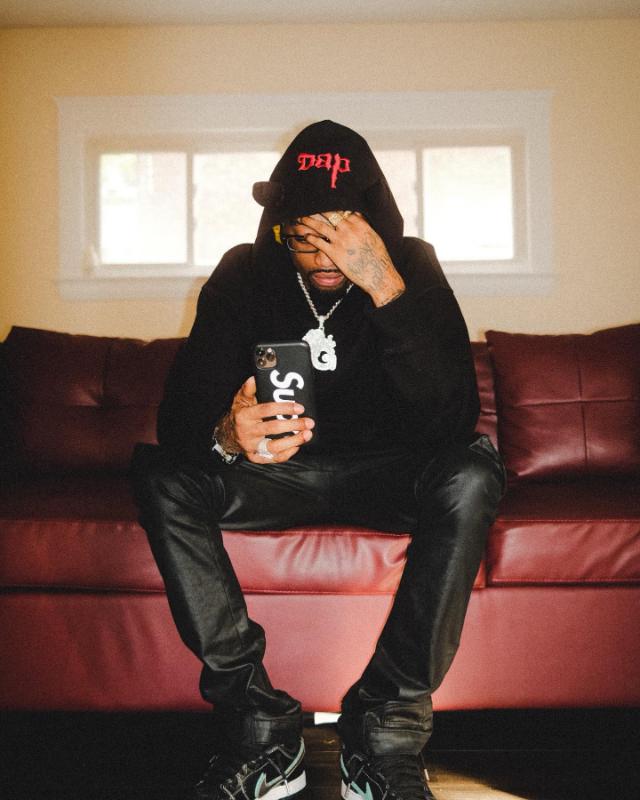
Goldie

Hip Hop
Contemporary Hip Hop
 Viberate Rank: 272272
 Viberate Rank: 272272
 Monthly ListenersFollowers
 Subscribers
 Followers
 Followers
 FansTop Spotify Songs
| Track | 7-Day Streams | |
|---|---|---|
1 | 1.65K | |
2 | 241 | |
3 | 92 | |
4 | 57 | |
5 | 44 |
Top YouTube VideosMonthly ListenersFeatured in Playlists| Playlist | Followers | |
|---|---|---|
1 | I cant stop playling these Stefan | 25.52K |
2 |  Pop Weekend Vibes VINO | 21.27K |
3 |  Mixed Genre Heat Stefan | 20.74K |
4 |  2020 Top 100 Brian Cowan | 20.65K |
5 |  Beach Vibes Langleyhaydon | 20.48K |
Audience| City | Monthly Listeners | |
|---|---|---|
1 | | 18 |
2 |  | 9 |
3 | | 8 |
4 | | 7 |
5 | | 5 |
See full performance history, audience data, playlist activity, rankings, comparisons, and more in Viberate music analytics. Start with a free trial, then continue with a paid plan.
Goldie’s Spotify BioJordan Odom better known as @Goldie14_ was born & raised in Cleveland Ohio. In his teens Goldie would create a duo LostTribe, releasing a radio smash song called IPhone that would be in regular rotation on Z 107.9, 93.1, 96.5 & other radio stations. This was the most requested local song according to z107.9. At this young age Cleveland artist Goldie would meet young Trippie Redd & each became like bothers. This is before each other found their own sounds before the fame. They really developed a brotherly love for each other as the years pass. The Lost Tribe duo performed at SummerJam later that year in Cleveland Ohio. Goldie would receive calls & emails from numerous recording labels like 300, Atlantic & others. Goldie would dismantle the group formerly known as Lost Tribe going solo as Goldie or Goldie14. Goldie would later move to LA signing to the 1400 Label create by his brother Trippie. Releasing multiple songs & projects. Songs such as “True Story” featuring Trippie Redd & 2… Mixtapes in Star Power & Current. Both projects surpassing well over 1 million total Spotify streams & Apple streams. Goldie is currently working on a collaboration project with 1400 label mate Chris King feature Trippie Redd & others. 2023 is going to be a big year for Goldie.
Viberate is a music analytics platform built for A&Rs, artist managers, labels, booking agents, marketers, and artists.
It helps music professionals track artist growth, analyze audience data, monitor playlist activity, compare artists, follow song performance, and identify opportunities across the music market.
Public artist pages provide a free preview of selected artist data. Paid plans provide access to deeper analytics, historical data, charts, comparisons, playlist tools, exports, alerts, reports, and additional professional features.
Yes. Public Viberate artist pages provide selected artist analytics and music data for free.
Viberate also offers a 7-day free trial of the full platform. A credit card is required to start the trial. The trial includes access to the complete product so users can test deeper artist analytics, historical views, playlist insights, comparisons, charts, exports, alerts, and reporting features before choosing a paid plan.
Viberate provides artist analytics across streaming, playlists, social media, video, radio airplay, songs, and audience markets.
Users can analyze Spotify performance, Spotify and Apple Music playlists, YouTube activity, TikTok and Instagram growth, radio spins, song performance, audience locations, demographics, rankings, and overall artist momentum.
Artist profiles also connect to music charts, similar artists, and comparison tools, helping users benchmark performance and evaluate artists in context.
Viberate updates key artist and track data daily.
For followed artists and tracks, selected data is refreshed multiple times per day. This helps teams monitor playlist changes, streaming movement, audience growth, releases, and campaign performance with more current data.
Update frequency can vary depending on the metric and data source.
Yes. Viberate lets users compare up to five artists side by side across streaming, social media, audience, and engagement metrics.
Users can compare fanbase growth, audience demographics, locations, Spotify performance, social metrics, and other artist data over selected time periods.
Artist comparison can be used for A&R scouting, benchmarking, booking decisions, campaign planning, and evaluating artists with similar audiences or market positions.