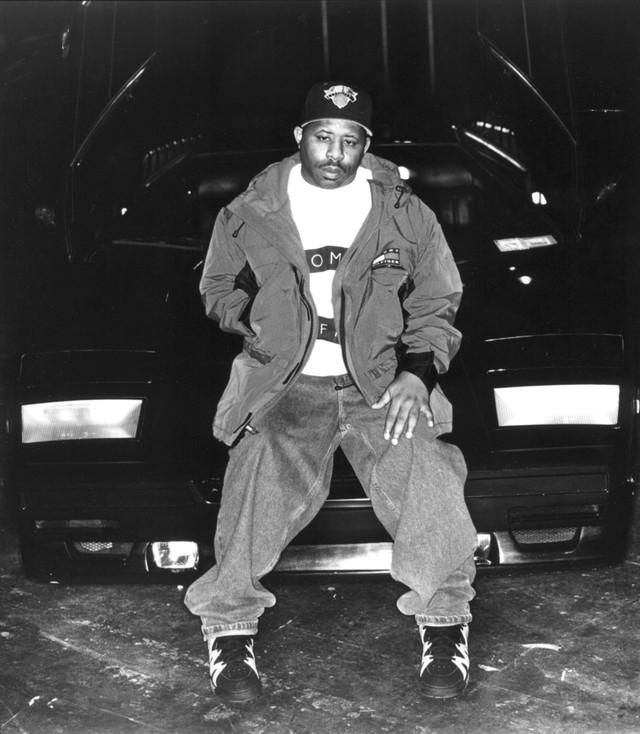
Godfather Don

Hip Hop
Alternative Hip Hop
Contemporary Hip Hop
 Viberate Rank: 112484
 Viberate Rank: 112484
 Monthly ListenersFollowers
 Subscribers
 Followers
 Followers
 FansTop Spotify Songs
| Track | 7-Day Streams | |
|---|---|---|
1 | 31.09K | |
2 | 10.29K | |
3 | 10.29K | |
4 | 6.03K | |
5 | 3.62K |
Top YouTube Videos| Video | 7-Day Views | |
|---|---|---|
1 | 1 |
Monthly ListenersFeatured in Playlists| Playlist | Followers | |
|---|---|---|
1 |  Disclosure's Record Bag Disclosure | 60.51K |
2 |  Jazz Hip Hop Johnny Jazzmatazz | 55.59K |
3 |  90'S UNDERGROUND HIP-HOP Bryan Nuñez | 37.42K |
4 | Rare 90s underground rap dennissey | 31.26K |
5 |  90's Tapes HHV Records | 24.85K |
Audience| City | Monthly Listeners | |
|---|---|---|
1 |  | 2.50K |
2 |  | 2.35K |
3 | | 2.33K |
4 | | 2.00K |
5 |  | 1.57K |
See full performance history, audience data, playlist activity, rankings, comparisons, and more in Viberate music analytics. Start with a free trial, then continue with a paid plan.
Godfather Don’s Spotify BioA creative force within New York City's underground hip-hop scene, Godfather Don first appeared in 1991 with Hazardous, released on the Select imprint. The album established the Godfather as an MC influenced by the blatant, hard-hitting style of Chuck D. A few years later, the Don appeared on and produced the Ultramagnetic MC's' Four Horsemen, which led to a collaboration with that group's standout, Kool Keith. The Cenobites EP was issued on Fondle 'Em Records, which was started by New York b-boy, DJ, and man about town Bobbito Garcia. The material on the EP had originally been recorded as gags or promos for Garcia's underground hip-hop radio show on New York's WKCR. The Cenobites EP was then reissued by Fondle 'Em as a full-length LP. Throughout the 1990s, Godfather Don continued to work as a producer, working on tracks from Kool Keith, Hostyle, and Ayatollah, among others. In 1999, he released his second album, Diabolique, on which his flow was very similar to the bludgeoning raps of… his 1991 debut. The album included cameo appearances from Kool Keith and Sir Menelik, and appeared on the Hydra Entertainment imprint, for which Godfather Don continued to record, releasing several 12" singles in 1999, 2000, and 2001. ~ Johnny Loftus, Rovi
Viberate is a music analytics platform built for A&Rs, artist managers, labels, booking agents, marketers, and artists.
It helps music professionals track artist growth, analyze audience data, monitor playlist activity, compare artists, follow song performance, and identify opportunities across the music market.
Public artist pages provide a free preview of selected artist data. Paid plans provide access to deeper analytics, historical data, charts, comparisons, playlist tools, exports, alerts, reports, and additional professional features.
Yes. Public Viberate artist pages provide selected artist analytics and music data for free.
Viberate also offers a 7-day free trial of the full platform. A credit card is required to start the trial. The trial includes access to the complete product so users can test deeper artist analytics, historical views, playlist insights, comparisons, charts, exports, alerts, and reporting features before choosing a paid plan.
Viberate provides artist analytics across streaming, playlists, social media, video, radio airplay, songs, and audience markets.
Users can analyze Spotify performance, Spotify and Apple Music playlists, YouTube activity, TikTok and Instagram growth, radio spins, song performance, audience locations, demographics, rankings, and overall artist momentum.
Artist profiles also connect to music charts, similar artists, and comparison tools, helping users benchmark performance and evaluate artists in context.
Viberate updates key artist and track data daily.
For followed artists and tracks, selected data is refreshed multiple times per day. This helps teams monitor playlist changes, streaming movement, audience growth, releases, and campaign performance with more current data.
Update frequency can vary depending on the metric and data source.
Yes. Viberate lets users compare up to five artists side by side across streaming, social media, audience, and engagement metrics.
Users can compare fanbase growth, audience demographics, locations, Spotify performance, social metrics, and other artist data over selected time periods.
Artist comparison can be used for A&R scouting, benchmarking, booking decisions, campaign planning, and evaluating artists with similar audiences or market positions.