Gob Iron

Country
Americana/Alt Country
 Viberate Rank: 662250
 Viberate Rank: 662250
 Monthly ListenersFollowers
 Subscribers
 Followers
 Followers
 FansTop Spotify Songs
| Track | 7-Day Streams | |
|---|---|---|
1 | 26 | |
2 | 26 | |
3 | 25 | |
4 | 20 | |
5 | 19 |
Top YouTube VideosMonthly ListenersFeatured in Playlists| Playlist | Followers | |
|---|---|---|
1 | FNL (unofficial) Hannah Peckham | 7.66K |
Audience| City | Monthly Listeners | |
|---|---|---|
1 | | 13 |
2 | | 5 |
3 | | 4 |
4 | | 4 |
5 | | 4 |
See full performance history, audience data, playlist activity, rankings, comparisons, and more in Viberate music analytics. Start with a free trial, then continue with a paid plan.
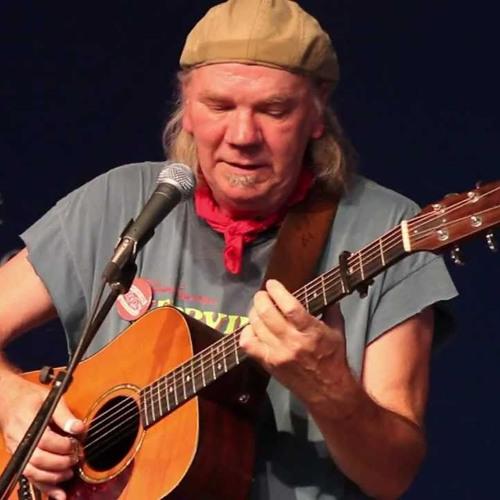
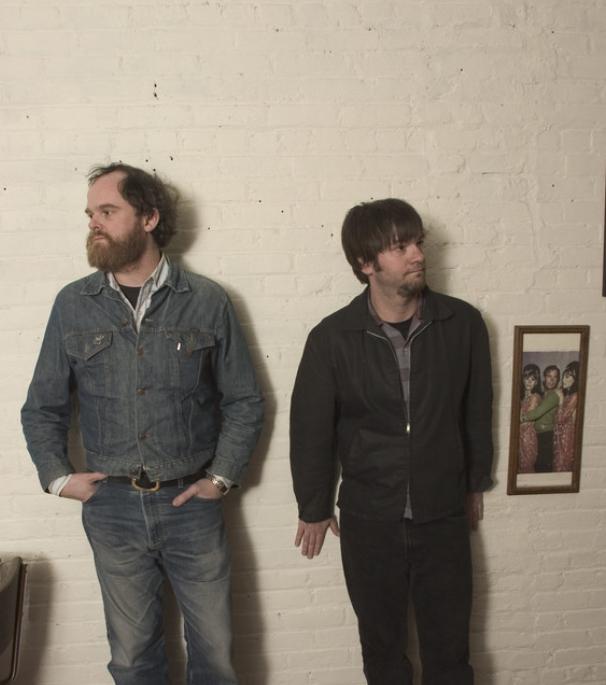
Gob Iron’s Spotify BioGob Iron is a collaboration between two of the more forward-thinking figures in the alt-country movement, Uncle Tupelo and Son Volt founder Jay Farrar, and Anders Parker of Varnaline. With a similar interest in atmospheric guitar-based music and songs that embraces the lesson of folk and country while staking out new sonic territory at the same time, Farrar and Parker would seem to be kindred spirits, and the two men's creative paths first crossed when Parker opened an acoustic tour for Farrar in 2001. The two musicians stayed in touch, and Farrar lent his guitar work to Parker's 2004 solo album Tell It to the Dust, as well as Parker's 2005 EP The Wounded Astronaut. In the fall of 2004, Farrar approached Parker about contributing to the first album from his new edition of Son Volt, Okemah and the Melody of Riot; while Parker ultimately didn't appear on the album, during pre-production the two recorded a handful of idiosyncratic interpretations of traditional folk tunes, with the two… musicians often reworking the lyrics or melodies to reflect their own musical vision, and each tackling a number of different instruments in the studio. In 2006, Farrar and Parker returned to their folk song project, which they dubbed Gob Iron, after a British slang name for a harmonica. The debut Gob Iron album, Death Songs for the Living, was drawn primarily from the material Farrar and Parker recorded in 2004; it was released on Halloween 2006, with the duo setting out on a tour to support the record. ~ Mark Deming, Rovi
Viberate is a music analytics platform built for A&Rs, artist managers, labels, booking agents, marketers, and artists.
It helps music professionals track artist growth, analyze audience data, monitor playlist activity, compare artists, follow song performance, and identify opportunities across the music market.
Public artist pages provide a free preview of selected artist data. Paid plans provide access to deeper analytics, historical data, charts, comparisons, playlist tools, exports, alerts, reports, and additional professional features.
Yes. Public Viberate artist pages provide selected artist analytics and music data for free.
Viberate also offers a 7-day free trial of the full platform. A credit card is required to start the trial. The trial includes access to the complete product so users can test deeper artist analytics, historical views, playlist insights, comparisons, charts, exports, alerts, and reporting features before choosing a paid plan.
Viberate provides artist analytics across streaming, playlists, social media, video, radio airplay, songs, and audience markets.
Users can analyze Spotify performance, Spotify and Apple Music playlists, YouTube activity, TikTok and Instagram growth, radio spins, song performance, audience locations, demographics, rankings, and overall artist momentum.
Artist profiles also connect to music charts, similar artists, and comparison tools, helping users benchmark performance and evaluate artists in context.
Viberate updates key artist and track data daily.
For followed artists and tracks, selected data is refreshed multiple times per day. This helps teams monitor playlist changes, streaming movement, audience growth, releases, and campaign performance with more current data.
Update frequency can vary depending on the metric and data source.
Yes. Viberate lets users compare up to five artists side by side across streaming, social media, audience, and engagement metrics.
Users can compare fanbase growth, audience demographics, locations, Spotify performance, social metrics, and other artist data over selected time periods.
Artist comparison can be used for A&R scouting, benchmarking, booking decisions, campaign planning, and evaluating artists with similar audiences or market positions.