Go Radio

Rock
Alternative Rock
Pop Punk
 Viberate Rank: 65099
 Viberate Rank: 65099
 Monthly ListenersFollowers
 Subscribers
 Followers
 Followers
 FansTop Spotify Songs
| Track | 7-Day Streams | |
|---|---|---|
1 | 26.95K | |
2 | 23.91K | |
3 | 6.80K | |
4 | 6.12K | |
5 | 5.38K |
Top YouTube VideosMonthly ListenersFeatured in Playlists| Playlist | Followers | |
|---|---|---|
1 | Punk Goes Pop Greatest Hits rylandee | 134.25K |
2 | Punkers go poppers Velxies | 101.70K |
3 |  I know that you feel me somehow (Songs that feel like Iris) Rach (Thneed Girl) | 95.42K |
4 |  A Very Emo Christmas Evan Finch | 75.38K |
5 | plastplugg | 65.72K |
Audience| City | Monthly Listeners | |
|---|---|---|
1 | | 2.59K |
2 |  | 2.17K |
3 |  | 2.10K |
4 | | 2.05K |
5 |  | 1.93K |
See full performance history, audience data, playlist activity, rankings, comparisons, and more in Viberate music analytics. Start with a free trial, then continue with a paid plan.
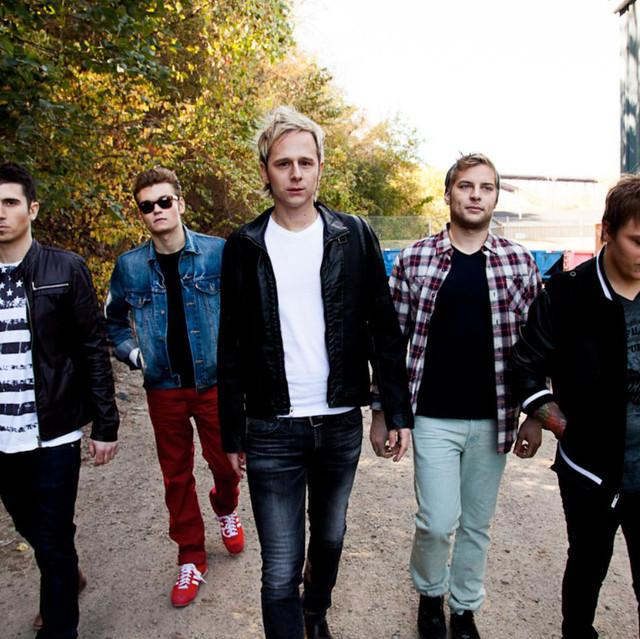
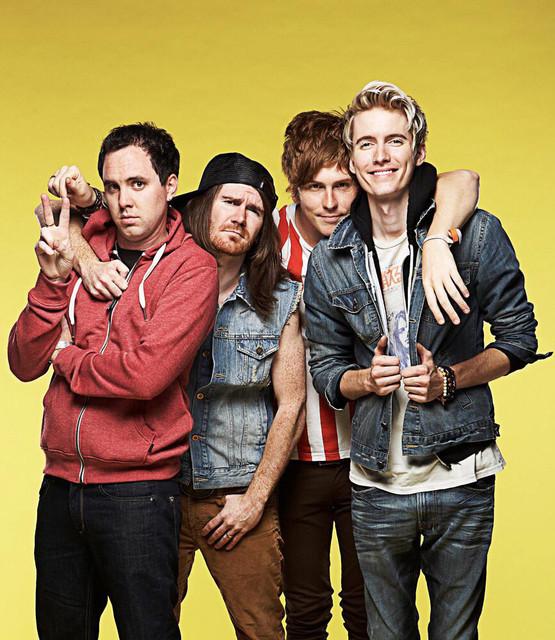
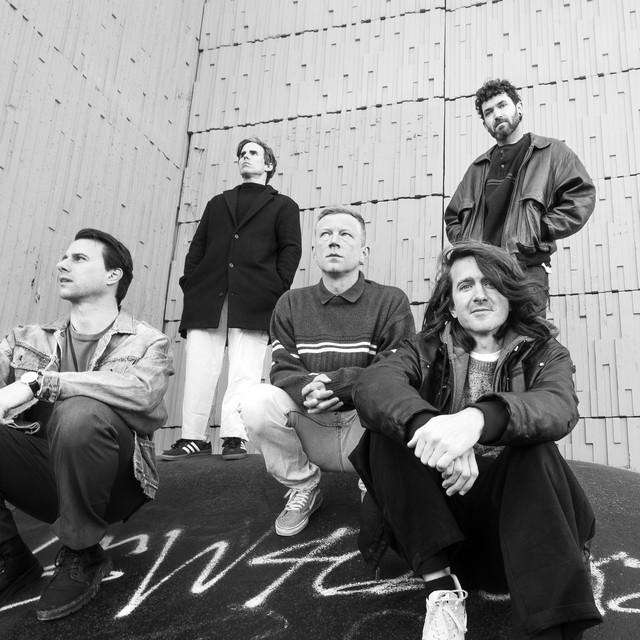
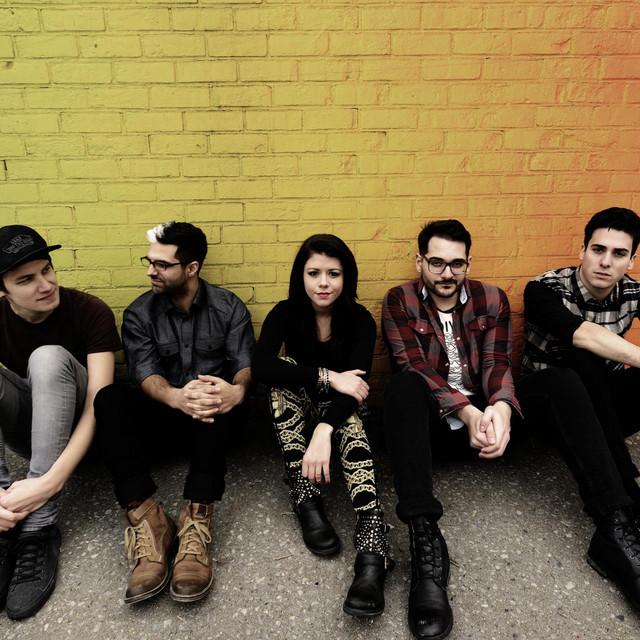
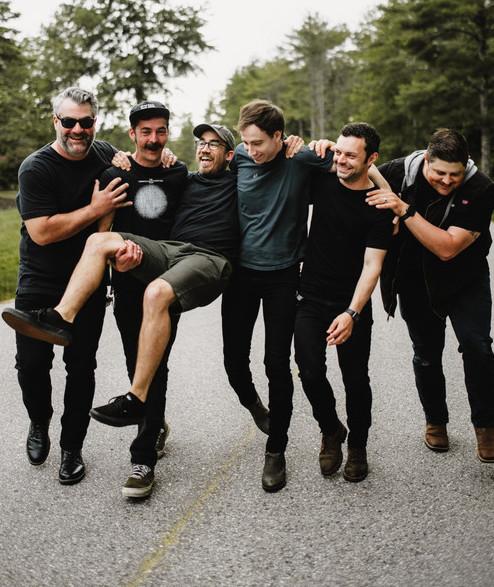
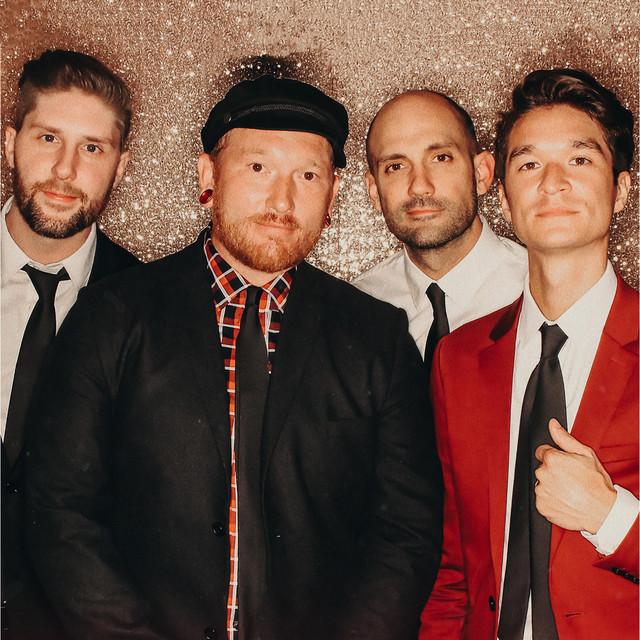
Go Radio’s Spotify BioFormed in 2007, Go Radio made music and toured the world until 2013. After an extended hiatus, Jason Lancaster, Matt Poulos, Steven Kopacz and Alex Reed made an announcement:
“It’s been six years. In August of 2013 we played our final show in Houston, Texas. The four of us wouldn’t all be in the same place again until July of this year.
Six years is a long time. We each had a long way to go to get to this point, but time has a way of putting things into perspective. For each of us, Go Radio continues to be among our biggest sources of pride. Since 2007, we have loved our Go Radio family, the music we have made, and – whether we acknowledged it or not – each other.
It is with great pleasure that we announce we’ve decided to make music again. After considerable conversation and diligent discussion, we started sharing ideas and working on songs. We are thrilled that our passion never subsided.
We want to thank our Go Radio family for the never-ending support, never leaving our side and never… letting our music leave yours.
Here’s to the future.
GO RADIO”
It wasn’t long until the band announced they had reunited with producer James Paul Wisner to record their first new music since full length Close the Distance in 2012.
Viberate is a music analytics platform built for A&Rs, artist managers, labels, booking agents, marketers, and artists.
It helps music professionals track artist growth, analyze audience data, monitor playlist activity, compare artists, follow song performance, and identify opportunities across the music market.
Public artist pages provide a free preview of selected artist data. Paid plans provide access to deeper analytics, historical data, charts, comparisons, playlist tools, exports, alerts, reports, and additional professional features.
Yes. Public Viberate artist pages provide selected artist analytics and music data for free.
Viberate also offers a 7-day free trial of the full platform. A credit card is required to start the trial. The trial includes access to the complete product so users can test deeper artist analytics, historical views, playlist insights, comparisons, charts, exports, alerts, and reporting features before choosing a paid plan.
Viberate provides artist analytics across streaming, playlists, social media, video, radio airplay, songs, and audience markets.
Users can analyze Spotify performance, Spotify and Apple Music playlists, YouTube activity, TikTok and Instagram growth, radio spins, song performance, audience locations, demographics, rankings, and overall artist momentum.
Artist profiles also connect to music charts, similar artists, and comparison tools, helping users benchmark performance and evaluate artists in context.
Viberate updates key artist and track data daily.
For followed artists and tracks, selected data is refreshed multiple times per day. This helps teams monitor playlist changes, streaming movement, audience growth, releases, and campaign performance with more current data.
Update frequency can vary depending on the metric and data source.
Yes. Viberate lets users compare up to five artists side by side across streaming, social media, audience, and engagement metrics.
Users can compare fanbase growth, audience demographics, locations, Spotify performance, social metrics, and other artist data over selected time periods.
Artist comparison can be used for A&R scouting, benchmarking, booking decisions, campaign planning, and evaluating artists with similar audiences or market positions.