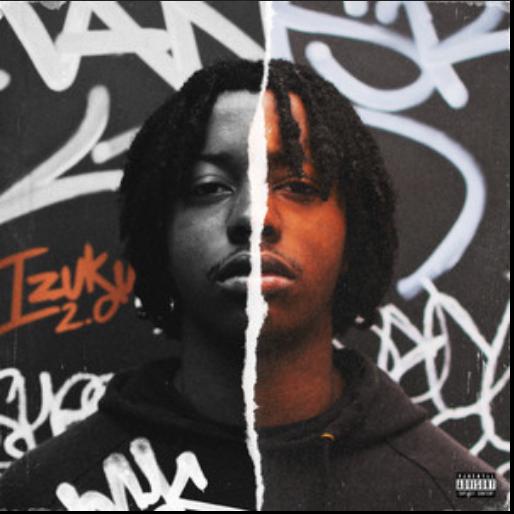
Gnino

Hip Hop
Trap
Alternative Hip Hop
 Viberate Rank: 162482
 Viberate Rank: 162482
 Monthly ListenersFollowers
 Subscribers
 Followers
 Followers
 FansTop Spotify Songs
| Track | 7-Day Streams | |
|---|---|---|
1 | 5.20K | |
2 | 2.91K | |
3 | 2.87K | |
4 | 2.38K | |
5 | 2.23K |
Top YouTube VideosMonthly ListenersFeatured in Playlists| Playlist | Followers | |
|---|---|---|
1 |  Rap québ Spotify | 89.65K |
2 |  Nouveautés francophones Spotify | 48.36K |
3 | Rap québécois Félicia | 5.00K |
4 |  Ogee Jemcee jemcee | 4.18K |
5 |  Canada Day Spotify | 2.77K |
Audience| City | Monthly Listeners | |
|---|---|---|
1 | | 13.16K |
2 | | 2.62K |
3 | | 1.01K |
4 | | 901 |
5 | | 799 |
See full performance history, audience data, playlist activity, rankings, comparisons, and more in Viberate music analytics. Start with a free trial, then continue with a paid plan.
Gnino’s Spotify BioGnino a le rap inscrit dans son ADN. Originaire de Tétreaultville, quartier populaire de l’est de Montréal, le rappeur a grandi dans un milieu où le hip-hop était maître, accompagnant son père (le rappeur Rjboy) dès son plus jeune âge sur scène. Avant même d’avoir 12 ans, il était habitué à se présenter devant des foules de 1000 personnes. Au début de l’adolescence, Gnino se met à écrire des textes. Inspiré par Lil Durk, Chief Keef et toute la scène drill de Chicago, le jeune artiste se découvre rapidement un style de prédilection : un rap percutant, mélodieux et fort en émotions, capable de traduire à la fois ses états d’âme les plus profonds et ses douleurs les plus vives. Membre du duo Cagoulé Gang (aux côtés du populaire rappeur Yh), Gnino trouve son second souffle en 2020, à la sortie de sa chanson Paranoia, pièce qui incarne le début de sa carrière en français. Son passage fort remarqué à l’émission de radio L’aréna (une référence de premier plan sur la scène hip-hop québécoise)… lui donnera la confiance nécessaire pour amorcer une carrière dans sa langue maternelle. Gnino est maintenant reconnu de part et d’autre dans le très compétitif milieu du rap montréalais. Dorénavant signé sous Rico Rich Productions (DawaMafia, Raccoon), l’artiste de 23 ans est fin prêt à donner vie à son premier album, un journal intime bien personnel qui fait le point sur son passé douloureux et qui met la table pour son futur.
Viberate is a music analytics platform built for A&Rs, artist managers, labels, booking agents, marketers, and artists.
It helps music professionals track artist growth, analyze audience data, monitor playlist activity, compare artists, follow song performance, and identify opportunities across the music market.
Public artist pages provide a free preview of selected artist data. Paid plans provide access to deeper analytics, historical data, charts, comparisons, playlist tools, exports, alerts, reports, and additional professional features.
Yes. Public Viberate artist pages provide selected artist analytics and music data for free.
Viberate also offers a 7-day free trial of the full platform. A credit card is required to start the trial. The trial includes access to the complete product so users can test deeper artist analytics, historical views, playlist insights, comparisons, charts, exports, alerts, and reporting features before choosing a paid plan.
Viberate provides artist analytics across streaming, playlists, social media, video, radio airplay, songs, and audience markets.
Users can analyze Spotify performance, Spotify and Apple Music playlists, YouTube activity, TikTok and Instagram growth, radio spins, song performance, audience locations, demographics, rankings, and overall artist momentum.
Artist profiles also connect to music charts, similar artists, and comparison tools, helping users benchmark performance and evaluate artists in context.
Viberate updates key artist and track data daily.
For followed artists and tracks, selected data is refreshed multiple times per day. This helps teams monitor playlist changes, streaming movement, audience growth, releases, and campaign performance with more current data.
Update frequency can vary depending on the metric and data source.
Yes. Viberate lets users compare up to five artists side by side across streaming, social media, audience, and engagement metrics.
Users can compare fanbase growth, audience demographics, locations, Spotify performance, social metrics, and other artist data over selected time periods.
Artist comparison can be used for A&R scouting, benchmarking, booking decisions, campaign planning, and evaluating artists with similar audiences or market positions.