Glue

Hip Hop
Contemporary Hip Hop
Underground Hip Hop
 Viberate Rank: 374774
 Viberate Rank: 374774
 Monthly ListenersFollowers
 Subscribers
 Followers
 Followers
 FansTop Spotify Songs
| Track | 7-Day Streams | |
|---|---|---|
1 | 3.66K | |
2 | 3.66K | |
3 | 1.50K | |
4 | 949 | |
5 | 949 |
Top YouTube VideosMonthly ListenersFeatured in Playlists| Playlist | Followers | |
|---|---|---|
1 |  cutecore/cutegore 🎀🍮🔪 𝔪𝔬𝔯𝔯𝔦𝔤𝔞𝔫 | 37.09K |
2 | Sense8 Season 2 Xoe Wise | 20.23K |
3 |  WRMFZY BEATS wrmfzy | 18.79K |
4 |  少女A Young Girl A € | 9.31K |
5 | Hip-Hop / Old School Rap Dylan Sullivan | 9.10K |
Audience| City | Monthly Listeners | |
|---|---|---|
1 | | 86 |
2 | | 84 |
3 | | 72 |
4 | | 71 |
5 | | 62 |
See full performance history, audience data, playlist activity, rankings, comparisons, and more in Viberate music analytics. Start with a free trial, then continue with a paid plan.
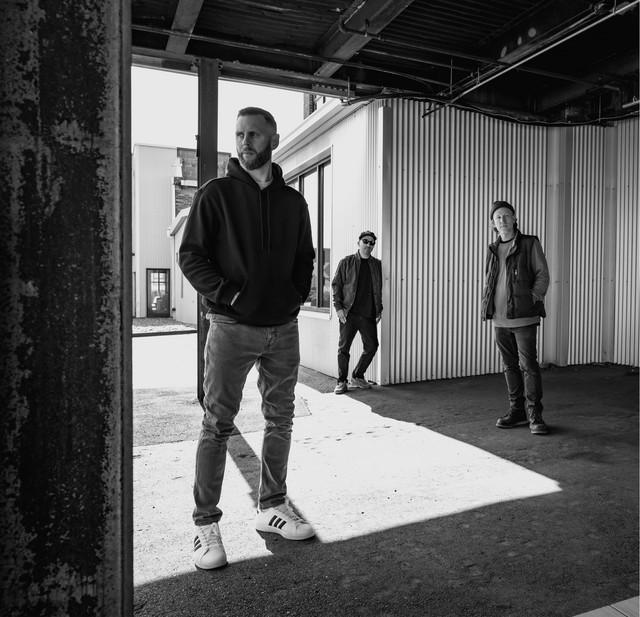
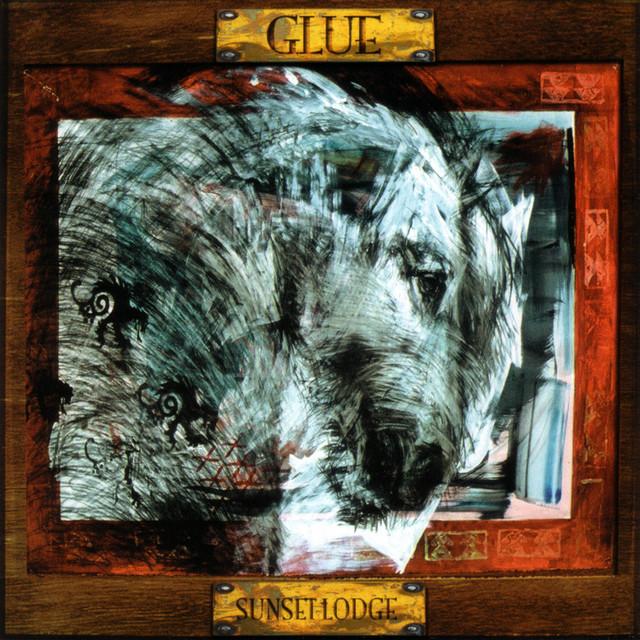
Glue’s Spotify BioWith a tireless D.I.Y. modus operandi, Glue has become a critic's choice among the abundance of alternative indie rap outfits during the 2000s. Glue frontman and New Hampshire native Adeem (born Adam Arnone) put the Chicago-based trio together after he exited the rhyme-battling game with his second win of Scribble Jam's freestyle competition in 2001. At a Chicago show in 2000, he met underground Chicago producer Maker (born Marco Jacobo), and the two instantly connected. Maker even contributed to Adeem's 2002 solo LP Sweet Talking Your Brain. In 2001, DJ DQ (born Dan Hargraves) and his turntabling ensemble, the Animal Crackers, opened for Adeem at a concert in Cincinnati. Mesmerized by DJ DQ's scratching and percussion set combo, Adeem approached the DJ about making music together. Soon afterward, DJ DQ simply showed up at Adeem's doorstep in Keene, NH, with all his stuff and equipment, and one phone call from Maker later, Glue was formed. They mainly have crafted and recorded their… blend of boom-bap rap and trip-hop without a professional studio, like their 2003 debut, Seconds Away, which was recorded in Maker's mother's house. Glue went on to join the 2004 Vans Warped Tour, both puzzling and enchanting the indie punk crowds, and later released the Sunset Lodge EP in December 2005. Their effervescent appeal set the stage for their signing to underground rap powerhouse Fat Beats Records and their second full-length LP, Catch as Catch Can, the following year. ~ Cyril Cordor, Rovi
Viberate is a music analytics platform built for A&Rs, artist managers, labels, booking agents, marketers, and artists.
It helps music professionals track artist growth, analyze audience data, monitor playlist activity, compare artists, follow song performance, and identify opportunities across the music market.
Public artist pages provide a free preview of selected artist data. Paid plans provide access to deeper analytics, historical data, charts, comparisons, playlist tools, exports, alerts, reports, and additional professional features.
Yes. Public Viberate artist pages provide selected artist analytics and music data for free.
Viberate also offers a 7-day free trial of the full platform. A credit card is required to start the trial. The trial includes access to the complete product so users can test deeper artist analytics, historical views, playlist insights, comparisons, charts, exports, alerts, and reporting features before choosing a paid plan.
Viberate provides artist analytics across streaming, playlists, social media, video, radio airplay, songs, and audience markets.
Users can analyze Spotify performance, Spotify and Apple Music playlists, YouTube activity, TikTok and Instagram growth, radio spins, song performance, audience locations, demographics, rankings, and overall artist momentum.
Artist profiles also connect to music charts, similar artists, and comparison tools, helping users benchmark performance and evaluate artists in context.
Viberate updates key artist and track data daily.
For followed artists and tracks, selected data is refreshed multiple times per day. This helps teams monitor playlist changes, streaming movement, audience growth, releases, and campaign performance with more current data.
Update frequency can vary depending on the metric and data source.
Yes. Viberate lets users compare up to five artists side by side across streaming, social media, audience, and engagement metrics.
Users can compare fanbase growth, audience demographics, locations, Spotify performance, social metrics, and other artist data over selected time periods.
Artist comparison can be used for A&R scouting, benchmarking, booking decisions, campaign planning, and evaluating artists with similar audiences or market positions.