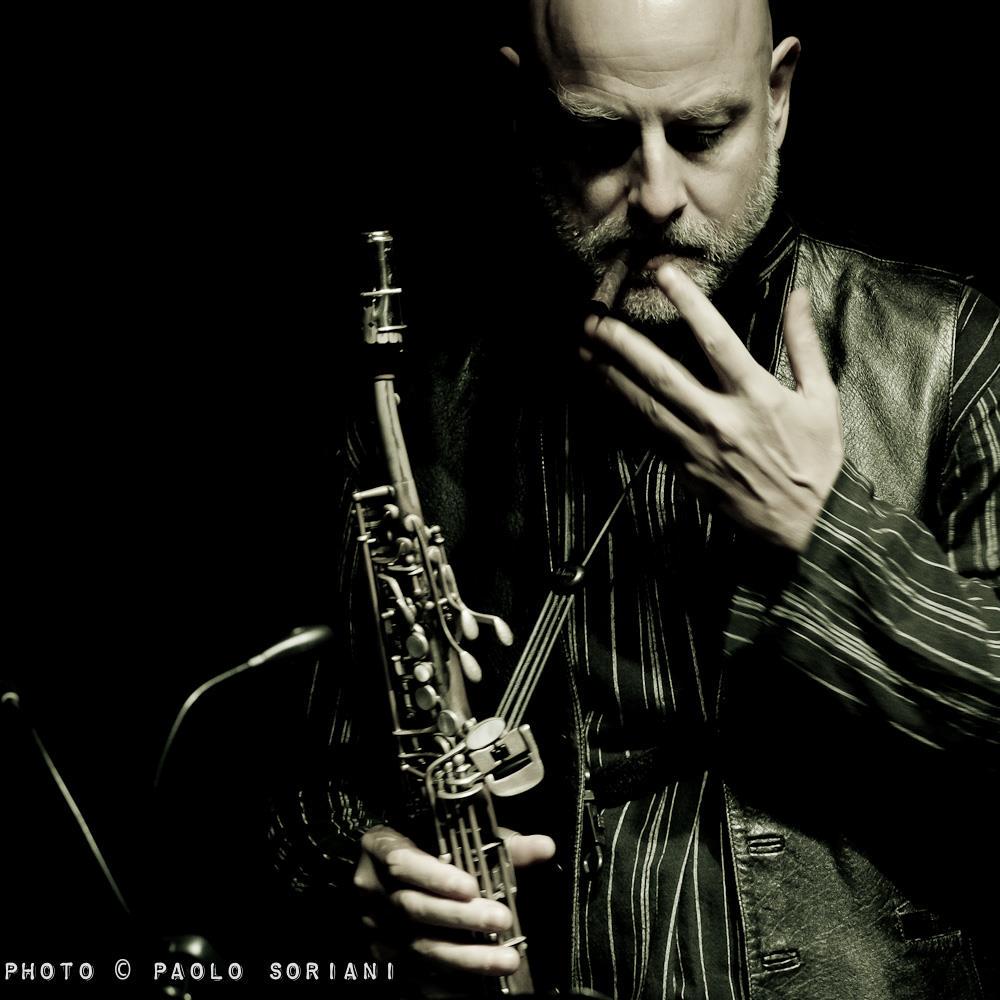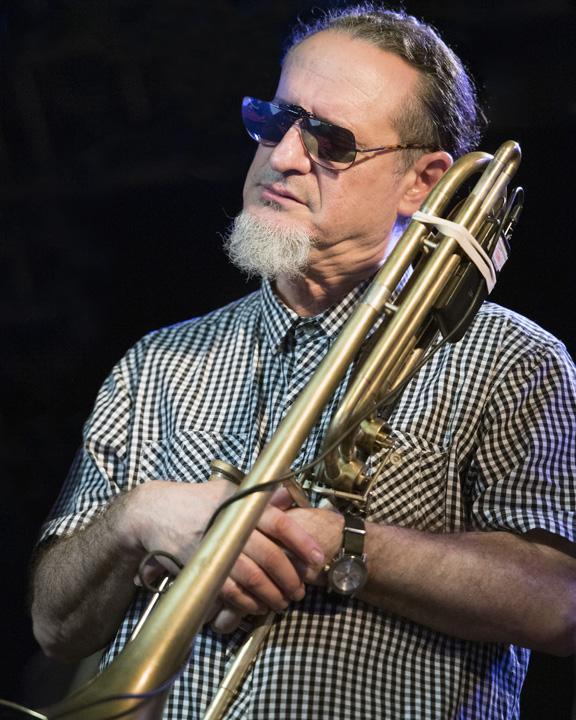
Glenn Ferris

Jazz
Smooth Jazz
Jazz Fusion
 Viberate Rank: 461899
 Viberate Rank: 461899
 Monthly ListenersFollowers
 Subscribers
 Followers
 Followers
 FansTop Spotify Songs
| Track | 7-Day Streams | |
|---|---|---|
1 | 945 | |
2 | 374 | |
3 | 303 | |
4 | 195 | |
5 | 158 |
Top YouTube VideosMonthly ListenersFeatured in Playlists| Playlist | Followers | |
|---|---|---|
1 |  Jazz For Kids Spotify | 3.72K |
2 |  Spiritual Jazz and Psychedelic Grooves Malik | 3.17K |
3 |  FIP, la playlist qui rythme votre vie selectors | 2.93K |
4 |  Spiritual Jazz : Avantgarde Jazz 60s 70s 80s early 90s Jazz Whatever | 2.55K |
5 |  Jazz Trumpet Adriano | 2.46K |
Audience| City | Monthly Listeners | |
|---|---|---|
1 |  | 30 |
2 | | 12 |
3 | | 10 |
4 |  | 9 |
5 |  | 8 |
See full performance history, audience data, playlist activity, rankings, comparisons, and more in Viberate music analytics. Start with a free trial, then continue with a paid plan.
Glenn Ferris’ Spotify BioThere might not be too many musicians who can claim to have backed up both Steve Lacy and Duran Duran, and surely very few trombonists. Glen Ferris, a native of Los Angeles, got started early as a jazz professional. He has used his city's busy studio scene as a launching platform for a variety of different musical journeys, the styles coming and going in the process. Prototype fusion jazz efforts with Billy Cobham and George Duke were said to have sounded dated in the late '80s, but were considered hip again only a decade later, so it is safe to say that this trombonist will bask in several waves of recognition from his projects over the years.
He was a classical student when he began his study of the instrument sometimes insultingly referred to as "a pitch imitator." From 1964 through 1966, he studied theory and composition with Don Ellis, a snorting, trumpet-blasting bandleader who wore Nehru jackets and particularly liked providing audiences with a lengthy, detailed list of the time… signature changes that were about to come in the next scheduled tune on the program. One impressive statistic involving numbers is that, at only 16, Ferris was ensconced in the orchestra of said madman, remaining there through 1970. The experience must have been good preparation not only for the sight-reading demands of the studio world, but for the complex demands of later bosses such as Frank Zappa, with whom he worked in 1972, or Harry James, with whose big band he performed in 1973 and 1974. In the second half of the '70s, more of an edge developed in his playing, much of it courtesy of the driving drumming of Cobham, who stuck the trombonist in the front line of various projects between 1974 and 1976. Yet it would still be decades until the trombonist's talents as a bandleader began to emerge.
Meanwhile, on the Los Angeles front, Ferris was also lucky enough to become involved in musical happenings with trumpeter Bobby Bradford, an inspirational spirit from the acoustic, swinging free jazz side of things. Freelancing in a wide range of classical, soul, pop, and rock live and studio projects, Ferris kept both his wits and a lean melodic edge to his playing that prevented him from ever being disregarded as just another tuneless fusion blaster. In 1977, he took on the ambitious project Celebration, his own ten-piece unit, and also worked in a fine duo setting with Milcho Leviev, the latter music considered to be some of Ferris' best work by jazz purists. He worked with clarinetist Tony Scott in 1981, then did some excellent jazz playing as a member of trumpeter Jack Walrath's group in 1982-1983. The following decade he finally did three solo albums for the Enja label, the series beginning with the excellent Flesh & Stone in 1995. Palatino is an even more recent project, a cooperative quartet that got excellent notices for its live performances. The trombonist is joined in this group by trumpeter Paolo Fresu, Italian jazz veteran Aldo Romano on drums, and bassist Michel Benita.
A strange aspect of Ferris' career, which just by nature of its versatility has thrown the more simpler music business bloodhounds off the trail, is the fact that some of the most exciting sounding groups he was in were never recorded. He seems to have had bad luck with Frank Zappa, playing in several ensembles that rehearsed endlessly and then broke up before recording anything, including an early, somewhat gargantuan Hot Rats/Grand Wazoo orchestra. During the most experimental period of the great songwriter Tim Buckley, a cryptic note about the dismal business prospects of his decision to go avant-garde once again includes a mention of Ferris: "Buckley could not record his group (John Balkin on bass, Emmett Chapman on ten-string electric stick, Glen Ferris on trombone, Maury Baker on tympani)." ~ Eugene Chadbourne
Viberate is a music analytics platform built for A&Rs, artist managers, labels, booking agents, marketers, and artists.
It helps music professionals track artist growth, analyze audience data, monitor playlist activity, compare artists, follow song performance, and identify opportunities across the music market.
Public artist pages provide a free preview of selected artist data. Paid plans provide access to deeper analytics, historical data, charts, comparisons, playlist tools, exports, alerts, reports, and additional professional features.
Yes. Public Viberate artist pages provide selected artist analytics and music data for free.
Viberate also offers a 7-day free trial of the full platform. A credit card is required to start the trial. The trial includes access to the complete product so users can test deeper artist analytics, historical views, playlist insights, comparisons, charts, exports, alerts, and reporting features before choosing a paid plan.
Viberate provides artist analytics across streaming, playlists, social media, video, radio airplay, songs, and audience markets.
Users can analyze Spotify performance, Spotify and Apple Music playlists, YouTube activity, TikTok and Instagram growth, radio spins, song performance, audience locations, demographics, rankings, and overall artist momentum.
Artist profiles also connect to music charts, similar artists, and comparison tools, helping users benchmark performance and evaluate artists in context.
Viberate updates key artist and track data daily.
For followed artists and tracks, selected data is refreshed multiple times per day. This helps teams monitor playlist changes, streaming movement, audience growth, releases, and campaign performance with more current data.
Update frequency can vary depending on the metric and data source.
Yes. Viberate lets users compare up to five artists side by side across streaming, social media, audience, and engagement metrics.
Users can compare fanbase growth, audience demographics, locations, Spotify performance, social metrics, and other artist data over selected time periods.
Artist comparison can be used for A&R scouting, benchmarking, booking decisions, campaign planning, and evaluating artists with similar audiences or market positions.