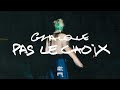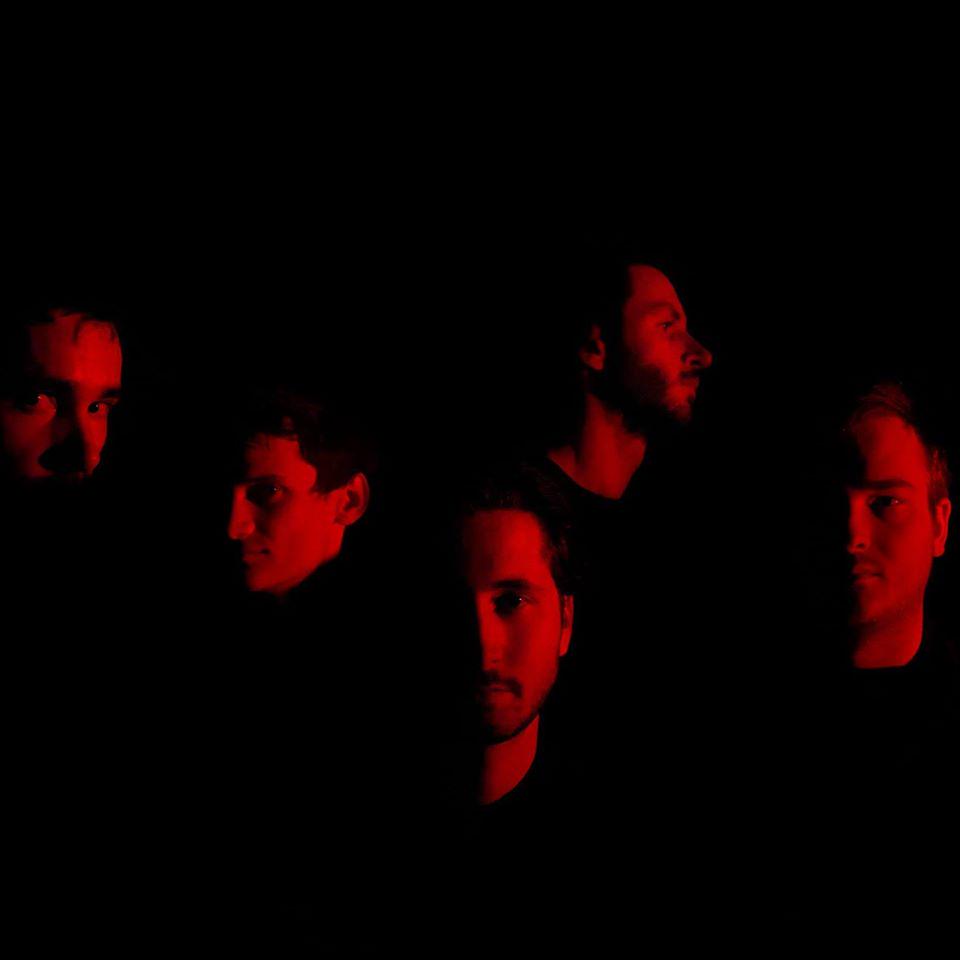
Glauque

Hip Hop
Alternative Hip Hop
Indie Pop
 Viberate Rank: 206899
 Viberate Rank: 206899
 Monthly ListenersFollowers
 Subscribers
 Followers
 Followers
 FansTop Spotify Songs
| Track | 7-Day Streams | |
|---|---|---|
1 | 885 | |
2 | 367 | |
3 | 260 | |
4 | 181 | |
5 | 168 |
Top YouTube VideosMonthly ListenersFeatured in Playlists| Playlist | Followers | |
|---|---|---|
1 |  french music Christian Marty | 6.63K |
2 |  ACID Julieta Wibel | 6.39K |
3 |  MS DOCKVILLE FESTIVAL 2022 MS DOCKVILLE | 6.06K |
4 |  français iclaliano | 4.29K |
5 |  De Grote Plaat Songs John Den Braber | 2.81K |
Audience| City | Monthly Listeners | |
|---|---|---|
1 |  | 232 |
2 | | 161 |
3 | | 88 |
4 | | 74 |
5 | | 70 |
See full performance history, audience data, playlist activity, rankings, comparisons, and more in Viberate music analytics. Start with a free trial, then continue with a paid plan.
Glauque’s Spotify BioGlauque - adj.
1. D'un vert qui tire sur le bleu.
2. Qui donne une impression de tristesse, de misère.
Glauque joue sur la polysémie de son nom et cristallise les paradoxes de l'époque. La musique y répond avec ambivalence, exprimant tour à tour le mal et la rage de vivre, renforçant une identité musicale qui s’extirpe du commun par sa radicalité comme par son élasticité entre rap, electro, chanson et musique industrielle.
La genèse du groupe remonte à 2017 quand Louis, souhaitant transposer ses textes écorchés en chansons, réalise quelques maquettes avec Aadriejan, Baptiste et Lucas. Leurs premiers concerts rend nécessaire l’adoption d’un nom - Glauque donc.
Faisant suite à l’EP "Glauque", "Les gens passent, le temps reste" est le 1er album du groupe belge.
👸🏻👸🏻👸🏻👸🏻👸🏻
Glauque - adj.
1. Hue of green that tends towards blue.
2. Which gives an impression of sadness, misery.
Glauque plays on the polysemy of its name. The music responds to this with ambivalence, alternately expressing pain… and rage of living, and reinforcing a musical identity through its elasticity between rap, electro, french song and industrial music.
The genesis of the group dates back to 2017 when Louis, wishing to transpose his flayed texts into songs, made some demos with Aadriejan, Baptiste and Lucas. Their first concerts made it necessary to adopt a name - Glauque.
Following the EP "Glauque", "Les gens passent, le temps reste" is the 1st album of the Belgian group.
Viberate is a music analytics platform built for A&Rs, artist managers, labels, booking agents, marketers, and artists.
It helps music professionals track artist growth, analyze audience data, monitor playlist activity, compare artists, follow song performance, and identify opportunities across the music market.
Public artist pages provide a free preview of selected artist data. Paid plans provide access to deeper analytics, historical data, charts, comparisons, playlist tools, exports, alerts, reports, and additional professional features.
Yes. Public Viberate artist pages provide selected artist analytics and music data for free.
Viberate also offers a 7-day free trial of the full platform. A credit card is required to start the trial. The trial includes access to the complete product so users can test deeper artist analytics, historical views, playlist insights, comparisons, charts, exports, alerts, and reporting features before choosing a paid plan.
Viberate provides artist analytics across streaming, playlists, social media, video, radio airplay, songs, and audience markets.
Users can analyze Spotify performance, Spotify and Apple Music playlists, YouTube activity, TikTok and Instagram growth, radio spins, song performance, audience locations, demographics, rankings, and overall artist momentum.
Artist profiles also connect to music charts, similar artists, and comparison tools, helping users benchmark performance and evaluate artists in context.
Viberate updates key artist and track data daily.
For followed artists and tracks, selected data is refreshed multiple times per day. This helps teams monitor playlist changes, streaming movement, audience growth, releases, and campaign performance with more current data.
Update frequency can vary depending on the metric and data source.
Yes. Viberate lets users compare up to five artists side by side across streaming, social media, audience, and engagement metrics.
Users can compare fanbase growth, audience demographics, locations, Spotify performance, social metrics, and other artist data over selected time periods.
Artist comparison can be used for A&R scouting, benchmarking, booking decisions, campaign planning, and evaluating artists with similar audiences or market positions.