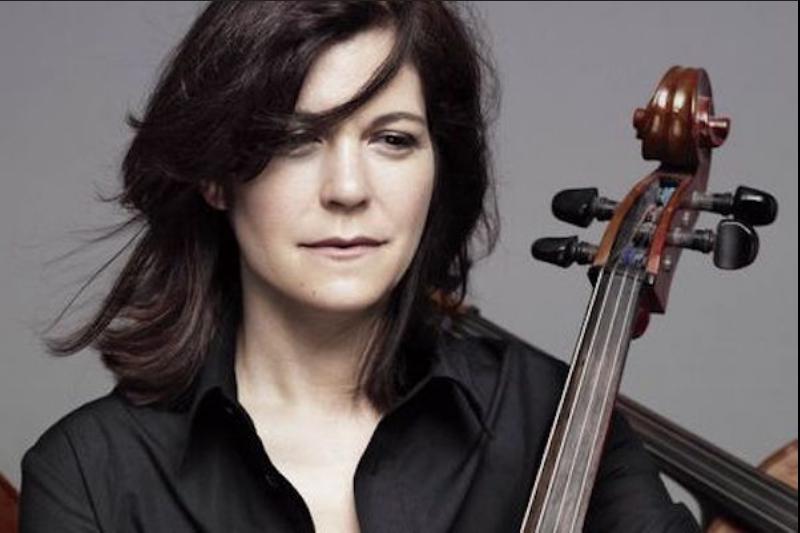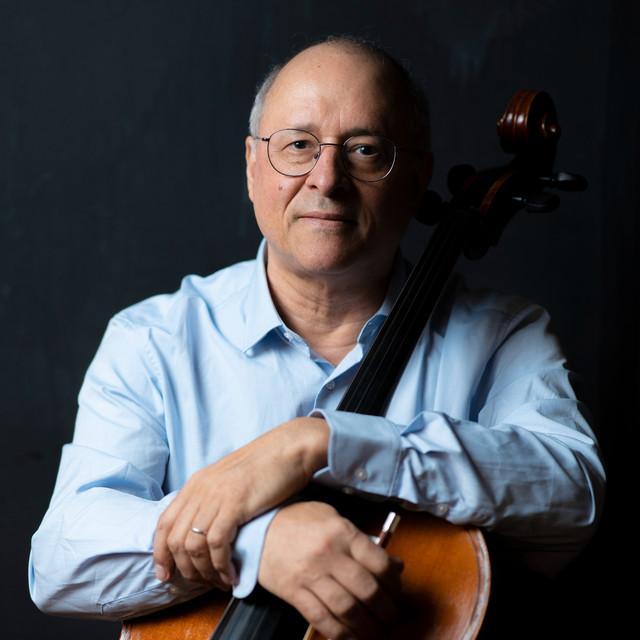
Giovanni Sollima

Classical
Orchestral
 Viberate Rank: 24712
 Viberate Rank: 24712
 Monthly ListenersFollowers
 Subscribers
 Followers
 Followers
 FansTop Spotify Songs
| Track | 7-Day Streams | |
|---|---|---|
1 | 7.01K | |
2 | 1.75K | |
3 | 1.21K | |
4 | 872 | |
5 | 340 |
Top YouTube Videos| Video | 7-Day Views | |
|---|---|---|
1 | 4.04M | |
2 | 130 | |
3 | 92 | |
4 | 91 | |
5 | 89 |
Monthly ListenersFeatured in Playlists| Playlist | Followers | |
|---|---|---|
1 |  Best of Bach Brilliant Classics | 125.56K |
2 |  Klassik die man hören muss: die schönste klassische Musik Meine Klassik | 117.79K |
3 |  Romantic Classical E. McNeil | 9.47K |
4 |  Neo Classicals Alen Golpashin | 7.79K |
5 |  放輕鬆,聽古典 Classical Chill Topsify Taiwan | 5.25K |
Audience| City | Monthly Listeners | |
|---|---|---|
1 |  | 699 |
2 |  | 595 |
3 |  | 569 |
4 |  | 445 |
5 |  | 435 |
See full performance history, audience data, playlist activity, rankings, comparisons, and more in Viberate music analytics. Start with a free trial, then continue with a paid plan.
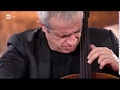
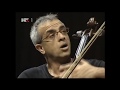
Giovanni Sollima’s Spotify BioGiovanni Sollima is an Italian cellist and composer known for his eclectic post-minimalist style and collaborations with diverse artists from several genres. Also a scholar and educator, he teaches at the Accademia Nazionale di Santa Cecilia.
Sollima was born in Palermo, Sicily, in 1962, to a musical family. His siblings are musicians, and his father, Eliodoro Sollima, was a pianist and composer. Sollima started studying the cello with Giovanni Perriera when he was ten years old, and he also began exploring composition with his father. After graduating from the Conservatory of Palermo, he continued his education with cellist Antonio Janigro at the Universität Mozarteum Salzburg, followed by composition lessons with Milko Kelemen at the Musikhochschule Stuttgart. Although he was active as a composer since the late '70s, his first work to be recorded was Violoncelles, Vibrez! in 1998, and he also released his debut album, Aquilarco, that same year. In 1999, he appeared on the album… Concertos for the Kingdom of the Two Sicilies with Eivind Aadland and the European Union Chamber Orchestra as the soloist on Porpora's Cello Concerto in G Major. Sollima returned as a composer and performer in 2000 with the albums Spasimo and Viaggio in Italia, and he also made his debut at Carnegie Hall, where he performed Viaggio in Italia with the Lark Quartet. Additionally, his music was used in the score to the film I Cento Passi. Sollima's opera Ellis Island was premiered in Palermo at the Teatro Massimo in 2002, and in 2005 he released Works, which showcased several commissions including Caravaggio, J. Beuys Song, and Songs from the Divine Comedy. Sollima's Terra Aria and Concerto Rotondo were used in Lasse Gjertsen's video Daydream in 2007, and in 2008 he released We Were Trees with cellist Monika Leskovar, and the improvisation-laden Astrolabioanima with Alessandro Gandola on saxophone.
By this time, Sollima was teaching at the Romanino Foundation Brescia, and he was appointed the title of Academic at the Accademia Nazional di Santa Cecilia in 2010. Two years later, Sollima co-founded the 100 Cellos ensemble with Enrico Melozzi, and he appeared on the album Neapolitan Cello Concertos with Antonio Florio and I Turchini. He appeared on several other albums in the 2010s, including Offenbach: Cello Duets with Andrea Noferini, Giovanni Battista Costanzi: Sonate per violoncello, and the 100 Cellos' crossover debut 100 Cellos Live. Three years after the release of Elgar: Cello Concerto; Enigma Variations in 2021, Sollima's Concerto for violin, lute, percussion & strings ("Tyche") was presented on Suite italienne: Vivaldi, Sollima, Stravinsky, and he also released Giovanni Sollima: Al-Bunduqiyya - The Lost Concerto, which featured his artistry as a performer, composer, and improviser. ~ RJ Lambert, Rovi
Viberate is a music analytics platform built for A&Rs, artist managers, labels, booking agents, marketers, and artists.
It helps music professionals track artist growth, analyze audience data, monitor playlist activity, compare artists, follow song performance, and identify opportunities across the music market.
Public artist pages provide a free preview of selected artist data. Paid plans provide access to deeper analytics, historical data, charts, comparisons, playlist tools, exports, alerts, reports, and additional professional features.
Yes. Public Viberate artist pages provide selected artist analytics and music data for free.
Viberate also offers a 7-day free trial of the full platform. A credit card is required to start the trial. The trial includes access to the complete product so users can test deeper artist analytics, historical views, playlist insights, comparisons, charts, exports, alerts, and reporting features before choosing a paid plan.
Viberate provides artist analytics across streaming, playlists, social media, video, radio airplay, songs, and audience markets.
Users can analyze Spotify performance, Spotify and Apple Music playlists, YouTube activity, TikTok and Instagram growth, radio spins, song performance, audience locations, demographics, rankings, and overall artist momentum.
Artist profiles also connect to music charts, similar artists, and comparison tools, helping users benchmark performance and evaluate artists in context.
Viberate updates key artist and track data daily.
For followed artists and tracks, selected data is refreshed multiple times per day. This helps teams monitor playlist changes, streaming movement, audience growth, releases, and campaign performance with more current data.
Update frequency can vary depending on the metric and data source.
Yes. Viberate lets users compare up to five artists side by side across streaming, social media, audience, and engagement metrics.
Users can compare fanbase growth, audience demographics, locations, Spotify performance, social metrics, and other artist data over selected time periods.
Artist comparison can be used for A&R scouting, benchmarking, booking decisions, campaign planning, and evaluating artists with similar audiences or market positions.