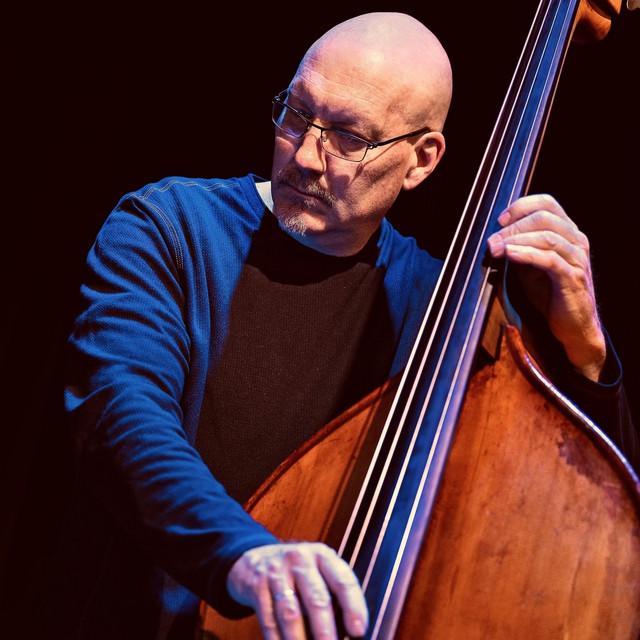
Gilad Hekselman

Jazz
Bebop
Smooth Jazz
 Viberate Rank: 124508
 Viberate Rank: 124508
 Monthly ListenersFollowers
 Subscribers
 Followers
 Followers
 FansTop Spotify Songs
| Track | 7-Day Streams | |
|---|---|---|
1 | 3.45K | |
2 | 2.89K | |
3 | 1.83K | |
4 | 791 | |
5 | 722 |
Top YouTube VideosMonthly ListenersFeatured in Playlists| Playlist | Followers | |
|---|---|---|
1 |  Fusion Fest Spotify | 220.07K |
2 |  real good shit Tom Misch | 165.63K |
3 |  Jazz Guitar Classics Spotify | 135.25K |
4 |  ディズニー・ジャズ Spotify | 53.57K |
5 |  Instrumental Jazz Valdemar Bille-Lauridsen | 45.25K |
Audience| City | Monthly Listeners | |
|---|---|---|
1 |  | 241 |
2 | | 238 |
3 |  | 193 |
4 | | 184 |
5 |  | 157 |
See full performance history, audience data, playlist activity, rankings, comparisons, and more in Viberate music analytics. Start with a free trial, then continue with a paid plan.
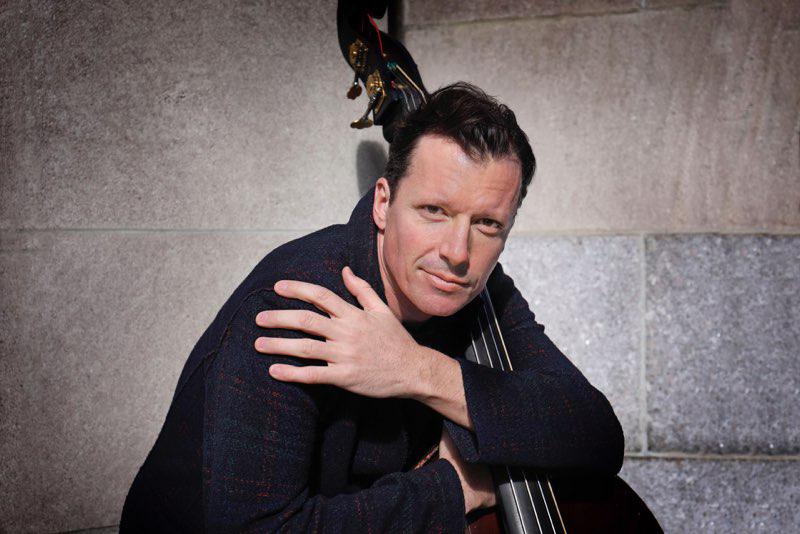
Gilad Hekselman’s Spotify BioA gifted jazz guitarist with a bent toward sophisticated post-bop, Israeli-born Gilad Hekselman arrived on the New York jazz scene in the mid-2000s. Along with notable work alongside Anat Cohen, Ari Hoenig, and Mark Turner, Hekselman has issued his own well-regarded albums such as 2006's Splitlife and 2015's Homes.
Born in Israel in 1983, Hekselman first started out studying classical piano at age six, and then switched to guitar at age nine. A gifted performer, he gained early experience from age 12 to 14 as a member of the house band for a weekly children's television show. As a teenager, he further honed his skills attending the Thelma Yellin School of Arts, where he earned the America-Israel Cultural Foundation Scholarship for studies abroad. He then used the scholarship to attend college at New York's The New School, where he graduated with his B.F.A. in performing arts in 2008.
While still in school, he garnered attention after winning the 2005 Gibson Montreux International Guitar… Competition. From there, he issued his debut album, 2006's Splitlife, with bassist Joe Martin and drummer Ari Hoenig. Words Unspoken followed two years later, and once again featured Martin as well as drummer Marcus Gilmore and tenor saxophonist Joel Frahm. Along with his own work, Hekselman has worked with a bevy of luminaries, including Anat Cohen, Esperanza Spalding, Chris Potter, Kurt Rosenwinkel, and others.
Hekselman paired with saxophonist Mark Turner for several outings, including 2010's Hearts Wide Open and 2013's This Just In. Homes arrived in 2015 and featured the guitarist backed by his longtime trio of bassist Martin and drummer Gilmore, plus two cuts with drummer Jeff Ballard. Following his 2017 pick as a Rising Star in Down Beat magazine, he issued his sixth studio album, 2018's Ask for Chaos. The album showcased his two working ensembles, ZuperOctave with pianist Aaron Parks and drummer Kush Abadey and his gHex Trio with bassist Rick Rosato and drummer Jonathan Pinson. ~ Matt Collar, Rovi
Viberate is a music analytics platform built for A&Rs, artist managers, labels, booking agents, marketers, and artists.
It helps music professionals track artist growth, analyze audience data, monitor playlist activity, compare artists, follow song performance, and identify opportunities across the music market.
Public artist pages provide a free preview of selected artist data. Paid plans provide access to deeper analytics, historical data, charts, comparisons, playlist tools, exports, alerts, reports, and additional professional features.
Yes. Public Viberate artist pages provide selected artist analytics and music data for free.
Viberate also offers a 7-day free trial of the full platform. A credit card is required to start the trial. The trial includes access to the complete product so users can test deeper artist analytics, historical views, playlist insights, comparisons, charts, exports, alerts, and reporting features before choosing a paid plan.
Viberate provides artist analytics across streaming, playlists, social media, video, radio airplay, songs, and audience markets.
Users can analyze Spotify performance, Spotify and Apple Music playlists, YouTube activity, TikTok and Instagram growth, radio spins, song performance, audience locations, demographics, rankings, and overall artist momentum.
Artist profiles also connect to music charts, similar artists, and comparison tools, helping users benchmark performance and evaluate artists in context.
Viberate updates key artist and track data daily.
For followed artists and tracks, selected data is refreshed multiple times per day. This helps teams monitor playlist changes, streaming movement, audience growth, releases, and campaign performance with more current data.
Update frequency can vary depending on the metric and data source.
Yes. Viberate lets users compare up to five artists side by side across streaming, social media, audience, and engagement metrics.
Users can compare fanbase growth, audience demographics, locations, Spotify performance, social metrics, and other artist data over selected time periods.
Artist comparison can be used for A&R scouting, benchmarking, booking decisions, campaign planning, and evaluating artists with similar audiences or market positions.