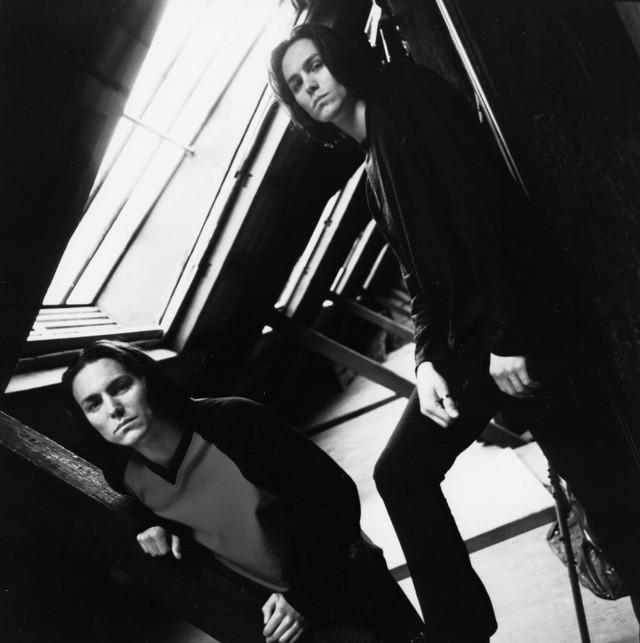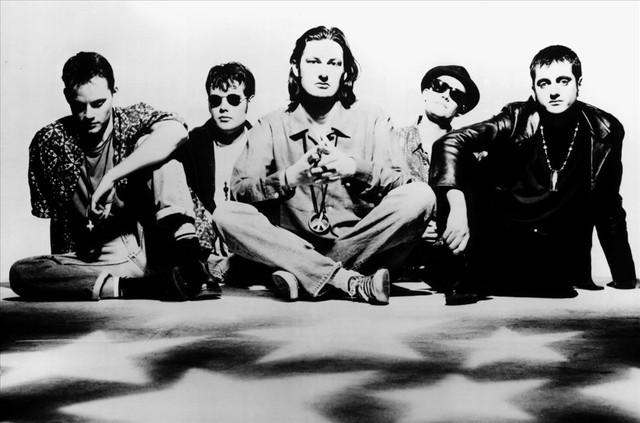
Gigolo Aunts

Rock
Indie Rock
Power Pop
 Viberate Rank: 258605
 Viberate Rank: 258605
 Monthly ListenersFollowers
 Subscribers
 Followers
 Followers
 FansTop Spotify Songs
| Track | 7-Day Streams | |
|---|---|---|
1 | 7.64K | |
2 | 281 | |
3 | 266 | |
4 | 118 | |
5 | 57 |
Top YouTube VideosMonthly ListenersFeatured in Playlists| Playlist | Followers | |
|---|---|---|
1 |  90s Hits DJ Master Mac | 51.35K |
2 | Smallville Soundtrack j_joen | 34.24K |
3 |  Country Roads 🌵 Kevin Sala | 31.55K |
4 | OTH Playlist Emilee Brandt | 16.94K |
5 | 550+ one hit wonders and tons more hits, one hits, big hits marttain82 | 15.73K |
Audience| City | Monthly Listeners | |
|---|---|---|
1 |  | 676 |
2 | | 420 |
3 |  | 244 |
4 |  | 238 |
5 | | 224 |
See full performance history, audience data, playlist activity, rankings, comparisons, and more in Viberate music analytics. Start with a free trial, then continue with a paid plan.
Gigolo Aunts’ Spotify BioTaking their name from the Syd Barrett song, the effervescent power-pop unit Gigolo Aunts first came together in 1981 in Potsdam, New York as Sniper. The group -- comprised of vocalist/guitarist Dave Gibbs, brothers Phil and Steve Hurley (on lead guitar and bass, respectively) and drummer Phil Brouwer -- went through a series of subsequent names like Marauder and Rosetta Stone before settling on Gigolo Aunts (a suggestion from Gibbs' father) and moving to Boston in 1986.
In 1988, the band issued its debut Everybody Happy to little notice, and receded from view until Gibbs began playing guitar with fellow East Coast popsters Velvet Crush, whom he joined for a U.K. tour. While overseas, Gibbs made a number of crucial contacts with the likes of Creation Records' Alan McGee and the members of Teenage Fanclub, and interest in the Gigolo Aunts began to build. A series of assured EPs -- Gigolo Aunts, Gun and Full-On Bloom -- appeared to strong reviews, as did 1994's full-length Flippin' Out.… After Gibbs and Phil Hurley turned down offers to join the reunited Big Star, they issued the 1995 EP Where I Find My Heaven; shortly after its release, Phil Hurley was replaced by Jon Skibic and Brouwer was replaced by Fred Eltringham. Minor Chords and Major Themes appeared in 1999. ~ Jason Ankeny, Rovi
Viberate is a music analytics platform built for A&Rs, artist managers, labels, booking agents, marketers, and artists.
It helps music professionals track artist growth, analyze audience data, monitor playlist activity, compare artists, follow song performance, and identify opportunities across the music market.
Public artist pages provide a free preview of selected artist data. Paid plans provide access to deeper analytics, historical data, charts, comparisons, playlist tools, exports, alerts, reports, and additional professional features.
Yes. Public Viberate artist pages provide selected artist analytics and music data for free.
Viberate also offers a 7-day free trial of the full platform. A credit card is required to start the trial. The trial includes access to the complete product so users can test deeper artist analytics, historical views, playlist insights, comparisons, charts, exports, alerts, and reporting features before choosing a paid plan.
Viberate provides artist analytics across streaming, playlists, social media, video, radio airplay, songs, and audience markets.
Users can analyze Spotify performance, Spotify and Apple Music playlists, YouTube activity, TikTok and Instagram growth, radio spins, song performance, audience locations, demographics, rankings, and overall artist momentum.
Artist profiles also connect to music charts, similar artists, and comparison tools, helping users benchmark performance and evaluate artists in context.
Viberate updates key artist and track data daily.
For followed artists and tracks, selected data is refreshed multiple times per day. This helps teams monitor playlist changes, streaming movement, audience growth, releases, and campaign performance with more current data.
Update frequency can vary depending on the metric and data source.
Yes. Viberate lets users compare up to five artists side by side across streaming, social media, audience, and engagement metrics.
Users can compare fanbase growth, audience demographics, locations, Spotify performance, social metrics, and other artist data over selected time periods.
Artist comparison can be used for A&R scouting, benchmarking, booking decisions, campaign planning, and evaluating artists with similar audiences or market positions.