Gideon

Punk
Hardcore Punk
Metalcore/Deathcore
Christian Music
 Viberate Rank: 52594
 Viberate Rank: 52594
 Monthly ListenersFollowers
 Subscribers
 Followers
 Followers
 FansTop Spotify Songs
| Track | 7-Day Streams | |
|---|---|---|
1 | 75.97K | |
2 | 28.88K | |
3 | 27.41K | |
4 | 24.47K | |
5 | 14.85K |
Top YouTube Videos| Video | 7-Day Views | |
|---|---|---|
1 | 198 | |
2 | 3 |
Monthly ListenersFeatured in Playlists| Playlist | Followers | |
|---|---|---|
1 |  COUNTER//CULTURE: Amira Elfeky Spotify | 120.45K |
2 |  METAL GYM WORKOUT PLAYLIST Austin | 94.11K |
3 |  The Sound of Everything The Sounds of Spotify | 53.81K |
4 | Best of Metal-Styles henne96 | 43.48K |
5 |  Jesea Lee's Top 10 Trending Tracks Jesea Lee | 41.34K |
Audience| City | Monthly Listeners | |
|---|---|---|
1 | | 6.22K |
2 | | 5.18K |
3 | | 4.51K |
4 | | 4.40K |
5 | | 4.32K |
See full performance history, audience data, playlist activity, rankings, comparisons, and more in Viberate music analytics. Start with a free trial, then continue with a paid plan.
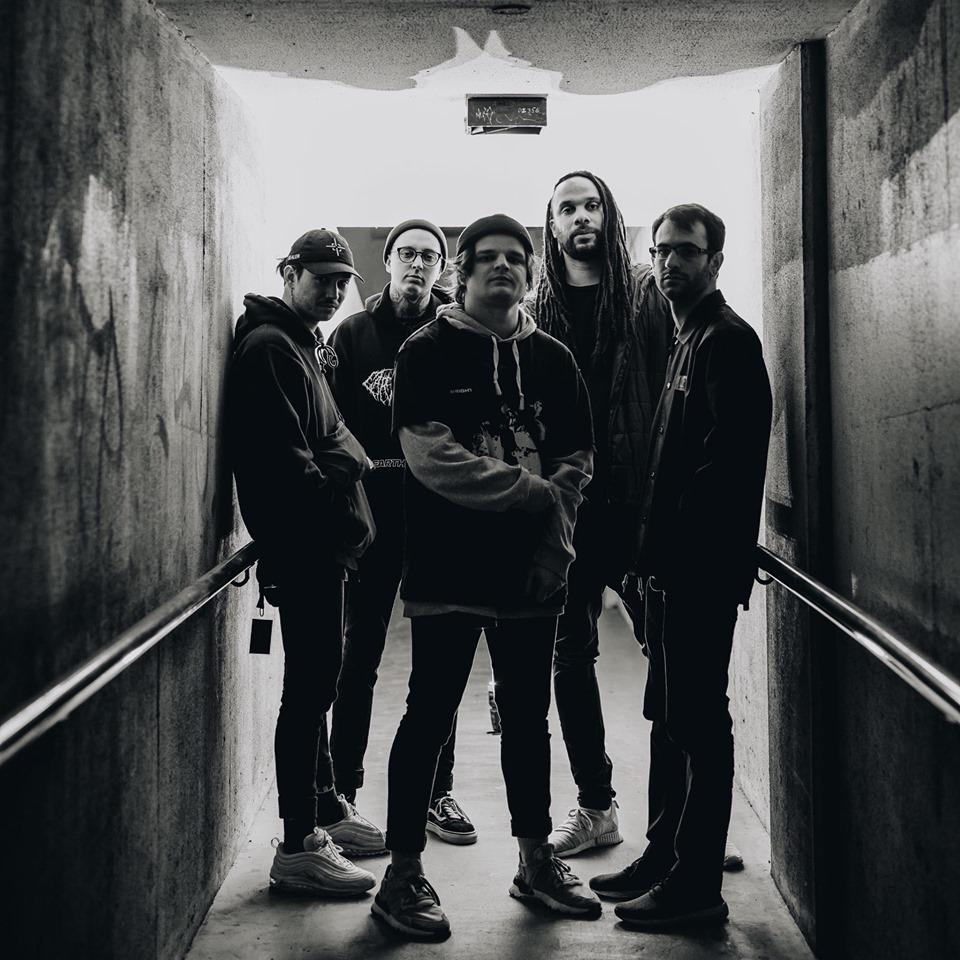
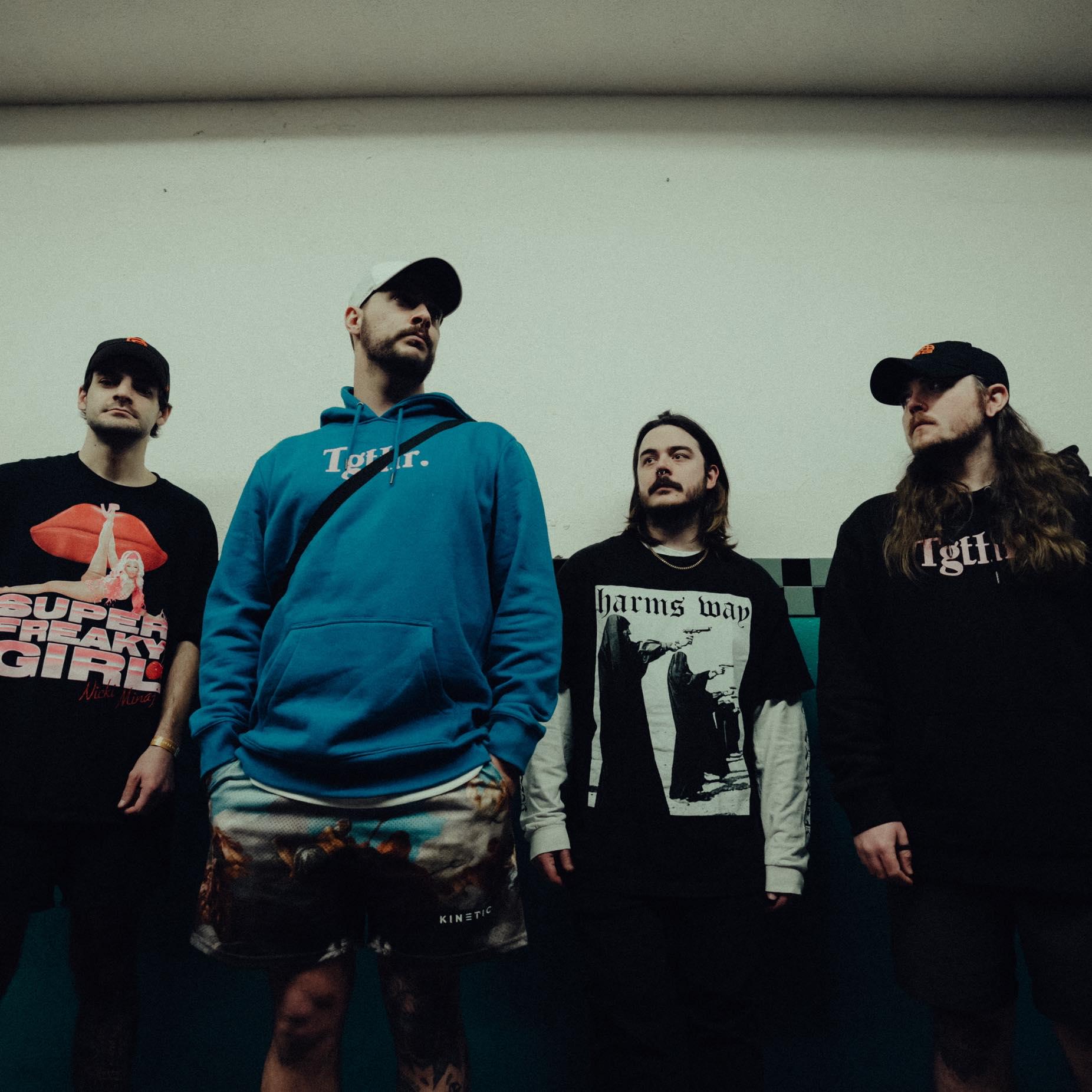
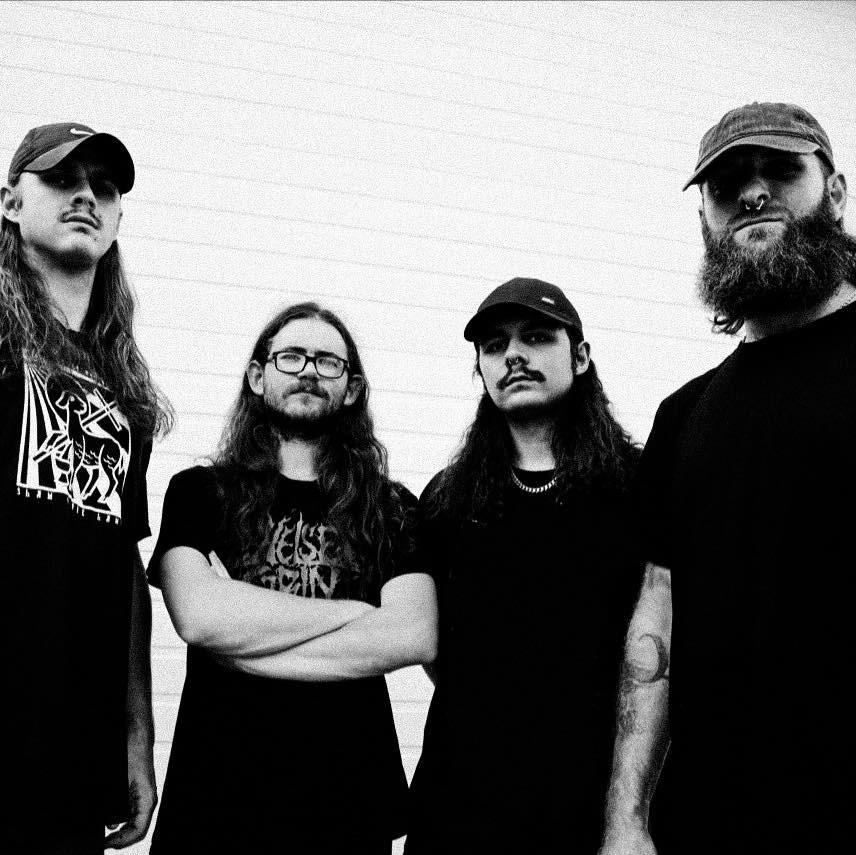
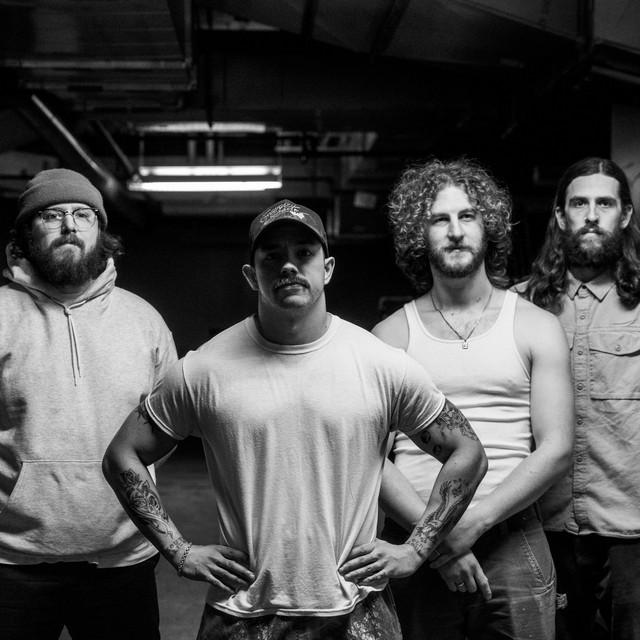
Gideon’s Spotify BioSince forming in 2008 in Tuscaloosa, AL, Gideon had been making a name for themselves by defying convention, creating their own distinct sound and never settling for anything that was just run of the mill or ordinary. Rather, the band—completed today by founding member and drummer Jake Smelley, vocalist Daniel McWhorter, guitarist/vocalist Tyler Riley and bassist Caleb DeRusha—kept stretching the boundaries of their sound to great acclaim and to increasing commercial success. 2011’s debut album, Costs, established them as powerhouse of the metalcore scene, but that’s something the band simultaneously pushed away from it, incorporating elements of melodic hardcore and hardcore punk into the fold of their songs, but always with an underlying sense of positivity and defiance. Impressively prolific, the band released their next two full-lengths, Milestone and Calloused, on Facedown Records in 2012 and 2014 respectively, before signing to Equal Vision Records.
Their first album for EVR was… 2017’s Cold, followed by Out Of Control in 2019, a record that deservedly saw the band’s profile rising steadily. That brings us to Gideon’s 6th full-length studio album. Recorded/mixed/mastered by Randy Lebouef at Graphic Nature Audio, “MORE POWER. MORE PAIN.”is a brutally intense burst of violent noise that both nods to the band’s past, musically and thematically, but also establishes itself in its own context.
Viberate is a music analytics platform built for A&Rs, artist managers, labels, booking agents, marketers, and artists.
It helps music professionals track artist growth, analyze audience data, monitor playlist activity, compare artists, follow song performance, and identify opportunities across the music market.
Public artist pages provide a free preview of selected artist data. Paid plans provide access to deeper analytics, historical data, charts, comparisons, playlist tools, exports, alerts, reports, and additional professional features.
Yes. Public Viberate artist pages provide selected artist analytics and music data for free.
Viberate also offers a 7-day free trial of the full platform. A credit card is required to start the trial. The trial includes access to the complete product so users can test deeper artist analytics, historical views, playlist insights, comparisons, charts, exports, alerts, and reporting features before choosing a paid plan.
Viberate provides artist analytics across streaming, playlists, social media, video, radio airplay, songs, and audience markets.
Users can analyze Spotify performance, Spotify and Apple Music playlists, YouTube activity, TikTok and Instagram growth, radio spins, song performance, audience locations, demographics, rankings, and overall artist momentum.
Artist profiles also connect to music charts, similar artists, and comparison tools, helping users benchmark performance and evaluate artists in context.
Viberate updates key artist and track data daily.
For followed artists and tracks, selected data is refreshed multiple times per day. This helps teams monitor playlist changes, streaming movement, audience growth, releases, and campaign performance with more current data.
Update frequency can vary depending on the metric and data source.
Yes. Viberate lets users compare up to five artists side by side across streaming, social media, audience, and engagement metrics.
Users can compare fanbase growth, audience demographics, locations, Spotify performance, social metrics, and other artist data over selected time periods.
Artist comparison can be used for A&R scouting, benchmarking, booking decisions, campaign planning, and evaluating artists with similar audiences or market positions.