Gerhard Gundermann

Rock
Folk Rock
Mainstream Pop
 Viberate Rank: 222340
 Viberate Rank: 222340
 Monthly ListenersFollowers
 Subscribers
 Followers
 Followers
 FansTop Spotify Songs
| Track | 7-Day Streams | |
|---|---|---|
1 | 2.44K | |
2 | 740 | |
3 | 629 | |
4 | 549 | |
5 | 469 |
Top YouTube VideosMonthly ListenersFeatured in Playlists| Playlist | Followers | |
|---|---|---|
1 | Ostrock DDR Labude R Anja | 6.97K |
2 |  Top deutsche Liebeslieder und Balladen Oliver Stahmann | 6.22K |
3 |  Reflektor Viertausendhertz | 4.38K |
4 | DDR-Rock-Pop - Best of svensktiger82 | 4.09K |
5 |  DDR Schlager!/Ostalgie Ed Jones | 2.53K |
Audience| City | Monthly Listeners | |
|---|---|---|
1 | | 2.56K |
2 | | 1.37K |
3 | | 694 |
4 | | 591 |
5 | | 527 |
See full performance history, audience data, playlist activity, rankings, comparisons, and more in Viberate music analytics. Start with a free trial, then continue with a paid plan.
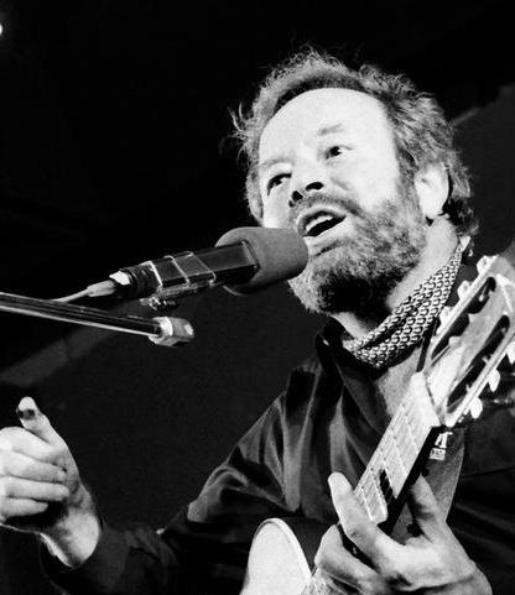
Gerhard Gundermann’s Spotify BioGerhard Gundermann was a phenomenon in the German musical landscape; although he never became a professional musician, he managed to rise to be one of the most successful singer/songwriters of the '90s in Germany. Growing up in East Germany and heavily influenced by Bruce Springsteen, the media frequently called him the "Springsteen of the East." Gundermann wrote lyrics full of poetic density reflecting on the '90s situation in East Germany and coated them in folk-rock songs which struck a chord with the generation who had grown up in the GDR but with the German reunification suddenly had to adopt to a completely different social system. Working as a miner in his main profession after a failed career attempt as a military officer (he was fired because he refused to sing a praise song for the defense minister), Gundermann started his artistic activities at the end of the '70s as a member of Brigade Feuerstein, a group which performed political songs and cabaret and had been founded in… 1978. He soon gained attention as one of the main lyricists of the group, but this also brought him the first trouble with the official system. Although he was a full-fledged member of the SED, the East German communist party, and even an informant of the Stasi, the notorious secret service, the conflicts accumulated. In 1979, he was dropped as a Stasi informant due to severe differences with the official party line; five years later he was eventually expelled from the SED.
During the decade of touring with Brigade Feuerstein, he constantly sharpened his ability to use powerful words in his lyrics. In 1987, he left Brigade Feuerstein and started solo performances accompanying himself on acoustic guitar. The result of this work was his first album, Männer, Frauen und Maschinen, released in 1988. Despite strong lyrics, the album left a very uneven impression due to constant interference of censors and other bureaucrats of the GDR cultural nomenclature. Some songs of Männer, Frauen und Maschinen Gundermann performed with a band, which marked a significant change. In the aftermath of the album release, he had entered a new chapter in his songwriting career by writing lyrics for the rock band Silly, who were one of the top bands in the GDR at the time and had just lost their previous lyricist. This job convinced Gundermann that his songs might be considerably enriched by performing them with a full-scale rock band. The members of Silly agreed to provide him with the required band backup. The album Einsame Spitze (1992) was much more accessible than its predecessor and laid the foundation for his cult status in East Germany; this was of course also the case due to the newly achieved artistic freedom after the 1989 political changes which enabled Gundermann to put his ideas to life much more creatively. Gundermann then christened his project Gundermann und Seilschaft and recorded two more albums: Der Siebte Samurai (1993) and Frühstück Für Immer (1995) continued the success. The latter earned Gerhard Gundermann the Preis der Deutschen Schallplattenkritik, the most important musical award in Germany and further consolidated his reputation as one of the most innovative German songwriters. In 1994, he and his band performed as a support act for a Bob Dylan tour in Germany. Engel Über Dem Revier (1997) painted a much more melancholic picture; it reflects on the closing down of the mine Gundermann had been working in for two decades. But even then, officially unemployed, he refused to make music his profession, realizing that this might corrupt his potential as a songwriter when he has to write songs to sell them.
On June 21, 1998, Gerhard Gundermann suffered a stroke and was found dead at his house. After the death of Tamara Danz, the singer of Silly, in 1996 (she succumbed to cancer), this was the second big loss for German rock music. By pure chance, Gundermann's last concert took place just seven days before his death had been recorded and was released in 1999 on the double-CD set Krams - Das Letzte Konzert. Another posthumous release of 1999 was Unplugged, a recording of a 1994 acoustic concert together with Silly. ~ Frank Eisenhuth, Rovi
Viberate is a music analytics platform built for A&Rs, artist managers, labels, booking agents, marketers, and artists.
It helps music professionals track artist growth, analyze audience data, monitor playlist activity, compare artists, follow song performance, and identify opportunities across the music market.
Public artist pages provide a free preview of selected artist data. Paid plans provide access to deeper analytics, historical data, charts, comparisons, playlist tools, exports, alerts, reports, and additional professional features.
Yes. Public Viberate artist pages provide selected artist analytics and music data for free.
Viberate also offers a 7-day free trial of the full platform. A credit card is required to start the trial. The trial includes access to the complete product so users can test deeper artist analytics, historical views, playlist insights, comparisons, charts, exports, alerts, and reporting features before choosing a paid plan.
Viberate provides artist analytics across streaming, playlists, social media, video, radio airplay, songs, and audience markets.
Users can analyze Spotify performance, Spotify and Apple Music playlists, YouTube activity, TikTok and Instagram growth, radio spins, song performance, audience locations, demographics, rankings, and overall artist momentum.
Artist profiles also connect to music charts, similar artists, and comparison tools, helping users benchmark performance and evaluate artists in context.
Viberate updates key artist and track data daily.
For followed artists and tracks, selected data is refreshed multiple times per day. This helps teams monitor playlist changes, streaming movement, audience growth, releases, and campaign performance with more current data.
Update frequency can vary depending on the metric and data source.
Yes. Viberate lets users compare up to five artists side by side across streaming, social media, audience, and engagement metrics.
Users can compare fanbase growth, audience demographics, locations, Spotify performance, social metrics, and other artist data over selected time periods.
Artist comparison can be used for A&R scouting, benchmarking, booking decisions, campaign planning, and evaluating artists with similar audiences or market positions.