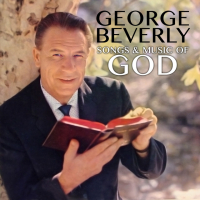
George Beverly Shea

Religious
Christian Music
Gospel
 Viberate Rank: 141430
 Viberate Rank: 141430
 Monthly ListenersFollowers
 Subscribers
 Followers
 Followers
 FansTop Spotify Songs
| Track | 7-Day Streams | |
|---|---|---|
1 | 31.25K | |
2 | 3.96K | |
3 | 1.83K | |
4 | 1.83K | |
5 | 1.83K |
Top YouTube VideosMonthly ListenersFeatured in Playlists| Playlist | Followers | |
|---|---|---|
1 |  Old Time Southern Gospel JukeboxCharlie | 38.17K |
2 | Gaither Homecoming Maja Westermark | 8.90K |
3 | secretsunsealed | 6.09K |
4 | A Vintage Big Band Christmas Holiday 🎄🎺🎷🦌🎅 Paul Fucito | 5.23K |
5 |  Country Gospel 2026 | Southern Gospel SOZO Playlists | 4.59K |
Audience| City | Monthly Listeners | |
|---|---|---|
1 |  | 248 |
2 | | 210 |
3 |  | 197 |
4 | | 182 |
5 | | 173 |
See full performance history, audience data, playlist activity, rankings, comparisons, and more in Viberate music analytics. Start with a free trial, then continue with a paid plan.
George Beverly Shea’s Spotify BioGospel vocalist George Beverly Shea spent most of his 45-year career closely associated with evangelist Billy Graham. His best-known song is "How Great Thou Art," which was written by Rev. Stuart K. Hine in the 1920s. Shea is also a distinguished writer of popular hymns such as "The Wonder of It All."
Born the son of a Wesleyan Methodist minister in Winchester, Ontario, Shea was raised in the New York area and spent much time as a youth singing in church choirs. Following high school, he briefly attended Houghton College in New York, dropping out only after his family's financial difficulties necessitated it. Shea began working as a clerk, but received voice lessons and sang in churches and on local religious radio stations. The latter led to an audition for the Lynn Murray Singers, but he declined their invitation since they sang secular music. He married his high-school sweetheart in 1934 and moved to Chicago. After ten years in the Windy City, Shea got national exposure when he was… hired to appear on Club Time, a show he sang with for the next eight years. During this time, Shea also became prominent in the Youth for Christ movement of the 1940s and '50s. He hooked up with Graham in 1947 and signed to RCA Victor in 1951. Southland Favorites received a 1965 Grammy for Best Gospel or Other Religious Recording (Musical). Shea was inducted into the Gospel Music Association Hall of Fame in 1978. ~ Sandra Brennan, Rovi
Viberate is a music analytics platform built for A&Rs, artist managers, labels, booking agents, marketers, and artists.
It helps music professionals track artist growth, analyze audience data, monitor playlist activity, compare artists, follow song performance, and identify opportunities across the music market.
Public artist pages provide a free preview of selected artist data. Paid plans provide access to deeper analytics, historical data, charts, comparisons, playlist tools, exports, alerts, reports, and additional professional features.
Yes. Public Viberate artist pages provide selected artist analytics and music data for free.
Viberate also offers a 7-day free trial of the full platform. A credit card is required to start the trial. The trial includes access to the complete product so users can test deeper artist analytics, historical views, playlist insights, comparisons, charts, exports, alerts, and reporting features before choosing a paid plan.
Viberate provides artist analytics across streaming, playlists, social media, video, radio airplay, songs, and audience markets.
Users can analyze Spotify performance, Spotify and Apple Music playlists, YouTube activity, TikTok and Instagram growth, radio spins, song performance, audience locations, demographics, rankings, and overall artist momentum.
Artist profiles also connect to music charts, similar artists, and comparison tools, helping users benchmark performance and evaluate artists in context.
Viberate updates key artist and track data daily.
For followed artists and tracks, selected data is refreshed multiple times per day. This helps teams monitor playlist changes, streaming movement, audience growth, releases, and campaign performance with more current data.
Update frequency can vary depending on the metric and data source.
Yes. Viberate lets users compare up to five artists side by side across streaming, social media, audience, and engagement metrics.
Users can compare fanbase growth, audience demographics, locations, Spotify performance, social metrics, and other artist data over selected time periods.
Artist comparison can be used for A&R scouting, benchmarking, booking decisions, campaign planning, and evaluating artists with similar audiences or market positions.