 Viberate
George Alexander Albrecht
 DEUClassical, Orchestral, Classical Crossover
N/A monthly listeners
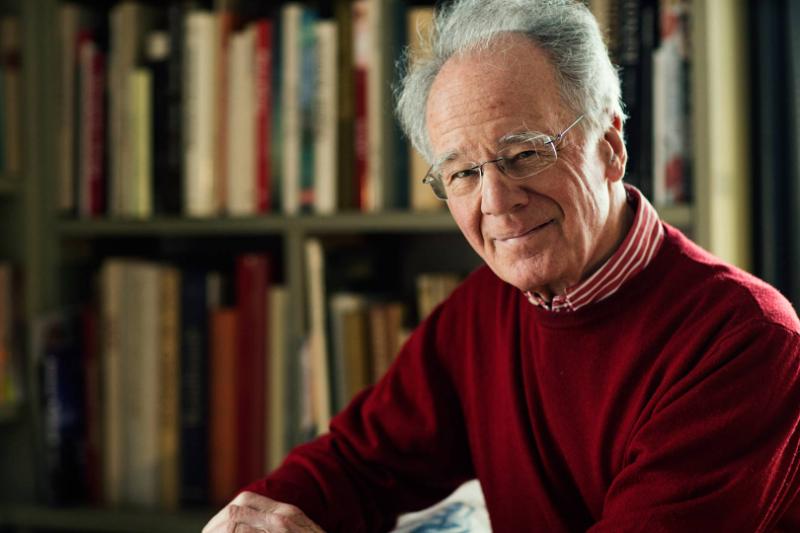 DEUClassical, Orchestral, Classical Crossover

George Alexander Albrecht is a master of classical orchestral music, born in Osterholz-Scharmbeck, Germany. Albrecht directs with a passion that lights up the hearts of musicians and listeners alike while holding his baton. Every note he conducts reflects his ardent love for the genre, resulting in a really sublime experience for everyone lucky enough to see him perform.
Albrecht is a master in the complex and subtle realm of symphonic music. His command of the group's many instruments enables him to expertly combine the melodies and harmonies into an absolutely amazing orchestral tapestry. He skillfully directs the orchestra through the ebbs and flows of each composition, capturing the audience's wide range of emotions with his acute sense of timing and dynamics.
Albrecht, who is well-known for his emotional and expressive acting, has a contagious enthusiasm on stage. His conducting is a ballet between passion and dexterity as he guides the orchestra through challenging and sophisticated pieces. He conveys his vision to the musicians with every flick of his wrist and every movement of his body, bringing out the most subtle and exquisite aspects of the song.
George Alexander Albrecht is a formidable force in the world of classical orchestral music. He's reached the top of the music industry thanks to his talent, perseverance, and unshakable commitment to his profession. His skill has given ageless compositions new life, making a lasting impression on the classical music community.
George Alexander Albrecht is a well-known classical and orchestral musician from Osterholz-Scharmbeck, Germany. His interpretation of many pieces and extraordinary talent have captivated audiences. With its calm melodies and soul-stirring clarinet solos, the lovely "Clarinet Concerto in A Major, K. 622: II. Adagio" stands out among his most well-known songs. Another noteworthy piece is the upbeat "Symphony No. 41 in C Major, K. 551, 'Jupiter': I. Allegro vivace," which demonstrates Albrecht's talent for highlighting a symphony's dynamic and vivacious aspects.
Apart from these outstanding works, Albrecht's renditions of the "Requiem in B Minor, Op. 50" have been highly praised. His ability to capture the emotional depth of this choral masterpiece is demonstrated in the hauntingly beautiful "Requiem - Kyrie (Live)". In a same vein, Albrecht's leadership of the choir and orchestra in producing a stirring and potent performance of "Domine Jesu (Live)" is demonstrated.
An additional example of Albrecht's versatility is his performance of choral pieces like the "Weihnachtsoratorio, Op. 53." The orchestration and vocal fusion of "Expectation and Annunciation: O Heiland, reiss den Himmel auf (Chorus)," the first track, create a mesmerizing atmosphere. The "Prelude" is particularly notable for its subtle melodies and atmospheric quality.
These pieces, as well as the vivacious "Clarinet Concerto in A Major, K. 622: III. Rondo. Allegro," the dramatic "Requiem in B Minor, Op. 50: II. Dies Irae (Live)," and the energizing "Clarinet Concerto in A Major, K. 622: I. Allegro," showcase George Alexander Albrecht's deep comprehension of the pieces he performs. His outstanding conducting abilities and ability to highlight the subtleties in every work have earned him great respect in the world of orchestral and classical music.
German classical and orchestral artist George Alexander Albrecht, who hails from Osterholz-Scharmbeck, has recently put out a number of noteworthy CDs. "Wetz: Ein Weihnachtsoratorio (2011)" is one of his most recent albums. Albrecht's extraordinary aptitude and mastery for writing and conducting classical music are on full display in this record. This album's songs are a lovely fusion of harmonies, melodies, and potent orchestral arrangements that enthrall listeners with their utter beauty and elegance.
Albrecht's "Wetz: Requiem in B Minor, Op. 50 (Live) (2006)" is a another outstanding record. The listener is taken into a realm of intense emotions and spiritual profundity by this live recording. Albrecht expertly conducts the orchestra and chorus through the requiem's complicated and sorrowful sections, resulting in a hauntingly beautiful performance.
Albrecht's record "Schulhoff: Symphonies Nos. 1-3 (2000)" further demonstrates his prowess as an orchestral symphony conductor. These symphonies show Albrecht's aptitude for bringing out the subtleties and complexity of Schulhoff's compositions, resulting in an engaging and engrossing musical experience.
George Alexander Albrecht is showcasing his incredible musical talent and love of classical and symphonic music with his most recent releases. The complexity and beauty of his compositions and interpretations captivate audiences and serve as a testament to his commitment and talent. For anybody who enjoys classical and symphonic music, these recordings are a must-listen since they highlight Albrecht's extraordinary talent and creative expression.
One of the most important collaborations for George Alexander Albrecht is the "Clarinet Concerto in A Major, K. 622: II. Adagio" by Wolfgang Amadeus Mozart, featuring Ralph Manno on the clarinet. This collaboration showcases Albrecht's skill as a conductor, bringing out the emotional depth and beauty of Mozart's composition. Manno's virtuosity on the clarinet adds a captivating element to the performance, creating a harmonious blend between the orchestra and the soloist. The Adagio movement, known for its serene and expressive nature, is brought to life through Albrecht's interpretation and Manno's mastery of the instrument.
Another notable collaboration is Albrecht's interpretation of Mozart's "Symphony No. 41 in C Major, K. 551, "Jupiter": I. Allegro vivace." This symphony, often regarded as one of Mozart's greatest works, showcases Albrecht's ability to conduct complex orchestral compositions with precision and finesse. The energetic and lively Allegro vivace movement demonstrates Albrecht's skill in maintaining a cohesive and dynamic performance, highlighting the intricate interplay between different sections of the orchestra. By staying true to Mozart's original composition, Albrecht ensures that the essence of the symphony is preserved while infusing his own artistic interpretation.
While these two collaborations exemplify Albrecht's talent and artistry as a conductor in the realm of classical and orchestral music, it is important to note that he has worked on numerous other notable projects throughout his career. However, the collaborations mentioned above stand out for their significance and the unique musical expressions they bring forth. Albrecht's collaborations with Mozart's compositions and the talented musicians who join him on these performances highlight his dedication to preserving and presenting classical masterpieces in a captivating and compelling manner.
Viberate is a professional music analytics service that provides a complete data overview of George Alexander Albrecht, covering audience data, Spotify playlists and stats, individual track performance, and cross-platform metrics including Spotify, YouTube, streaming, and radio airplay analytics. The platform also includes full social media analytics across Instagram, TikTok, and Facebook, as well as insights from Apple Music playlists, SoundCloud, Beatport, Shazam, and Deezer, alongside artist charts, streaming charts, genre charts, and genre analytics to support A&R discovery, benchmarking, and strategic decision-making.
