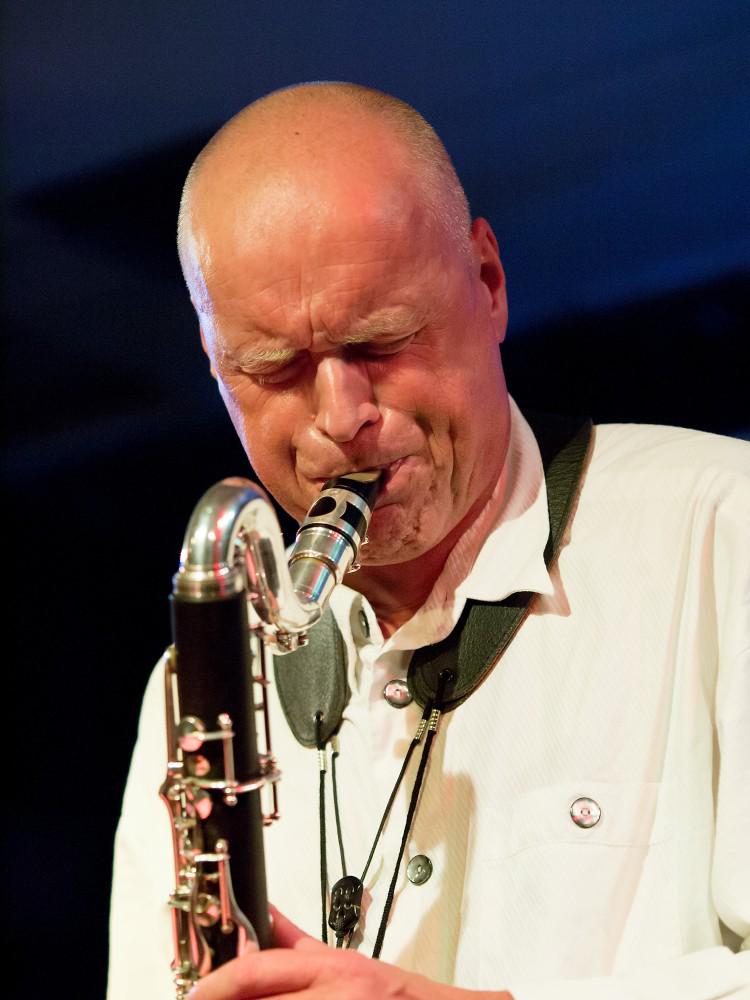
Gebhard Ullmann

Jazz
Smooth Jazz
Free Jazz
 Viberate Rank: 632676
 Viberate Rank: 632676
 Monthly ListenersFollowers
 Subscribers
 Followers
 Followers
 FansTop Spotify Songs
| Track | 7-Day Streams | |
|---|---|---|
1 | 70 | |
2 | 18 | |
3 | 13 | |
4 | 7 | |
5 | 6 |
Top YouTube Videos| Video | 7-Day Views | |
|---|---|---|
1 | 8 | |
2 | 8 | |
3 | 4 | |
4 | 4 | |
5 | 4 |
Monthly ListenersFeatured in PlaylistsAudience| City | Monthly Listeners | |
|---|---|---|
1 | | 30 |
2 | | 13 |
3 | | 10 |
4 | | 6 |
5 | | 4 |
See full performance history, audience data, playlist activity, rankings, comparisons, and more in Viberate music analytics. Start with a free trial, then continue with a paid plan.
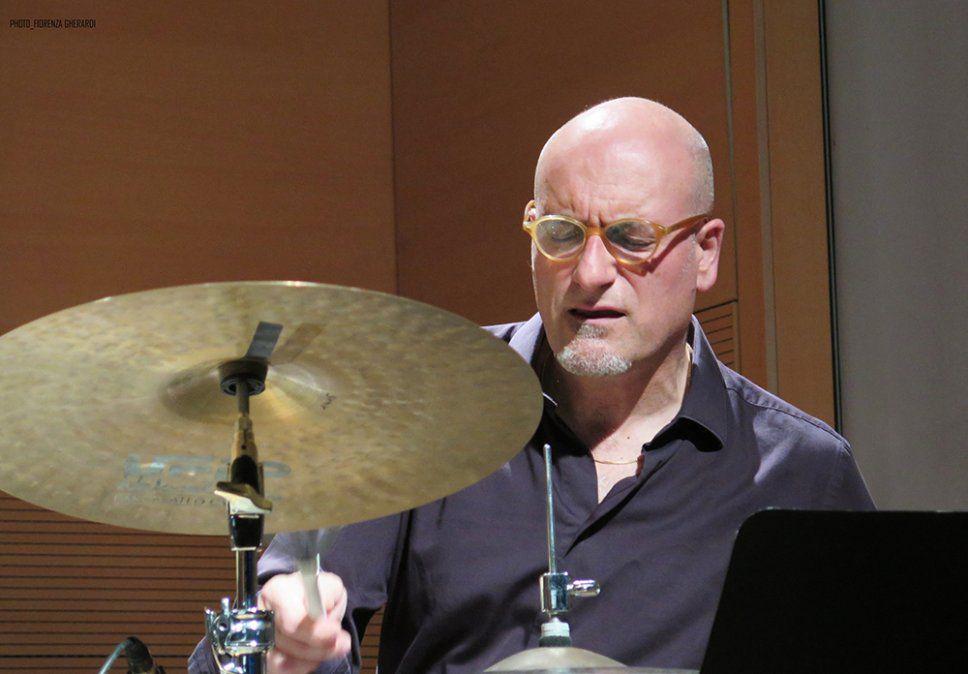
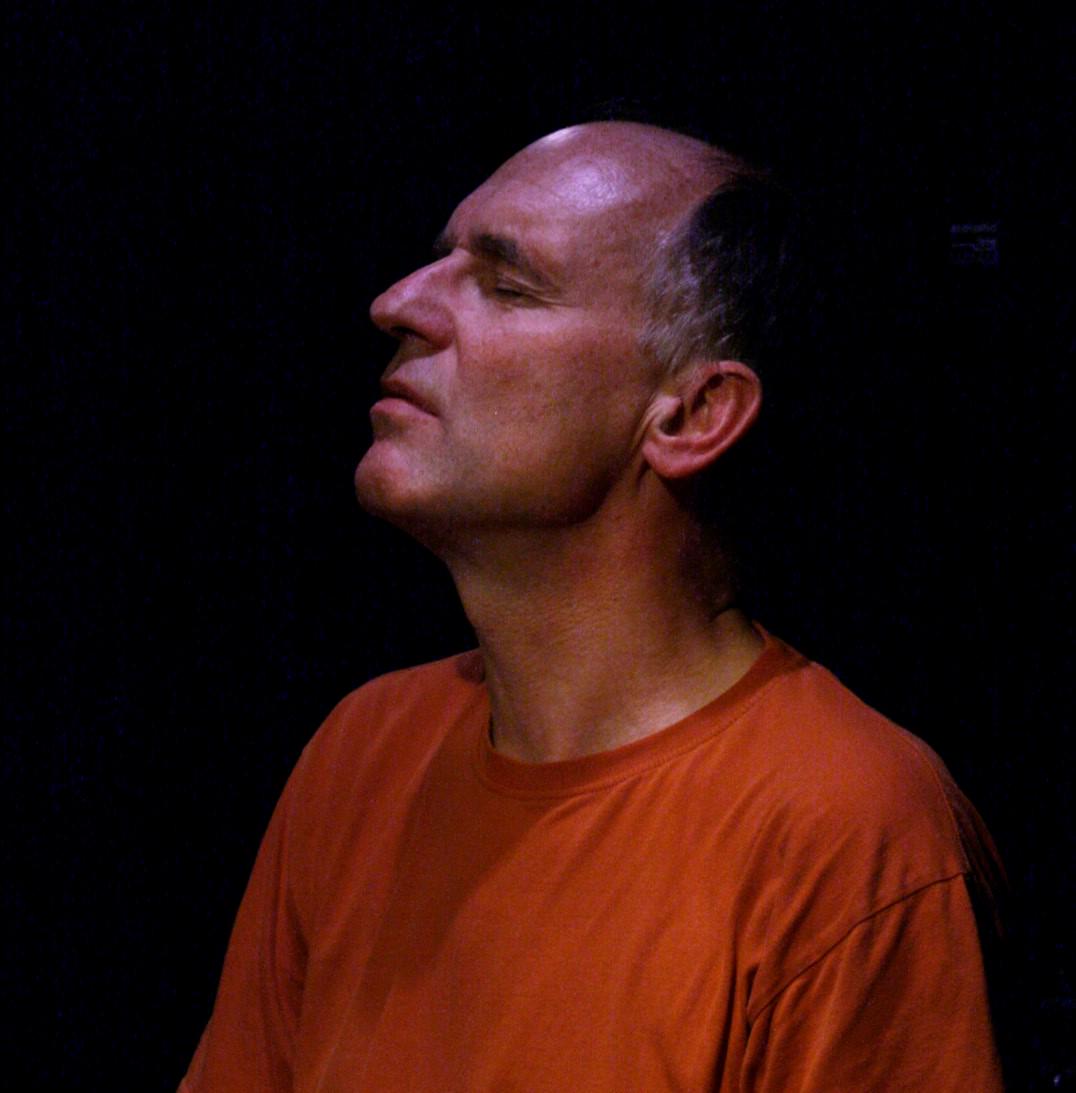
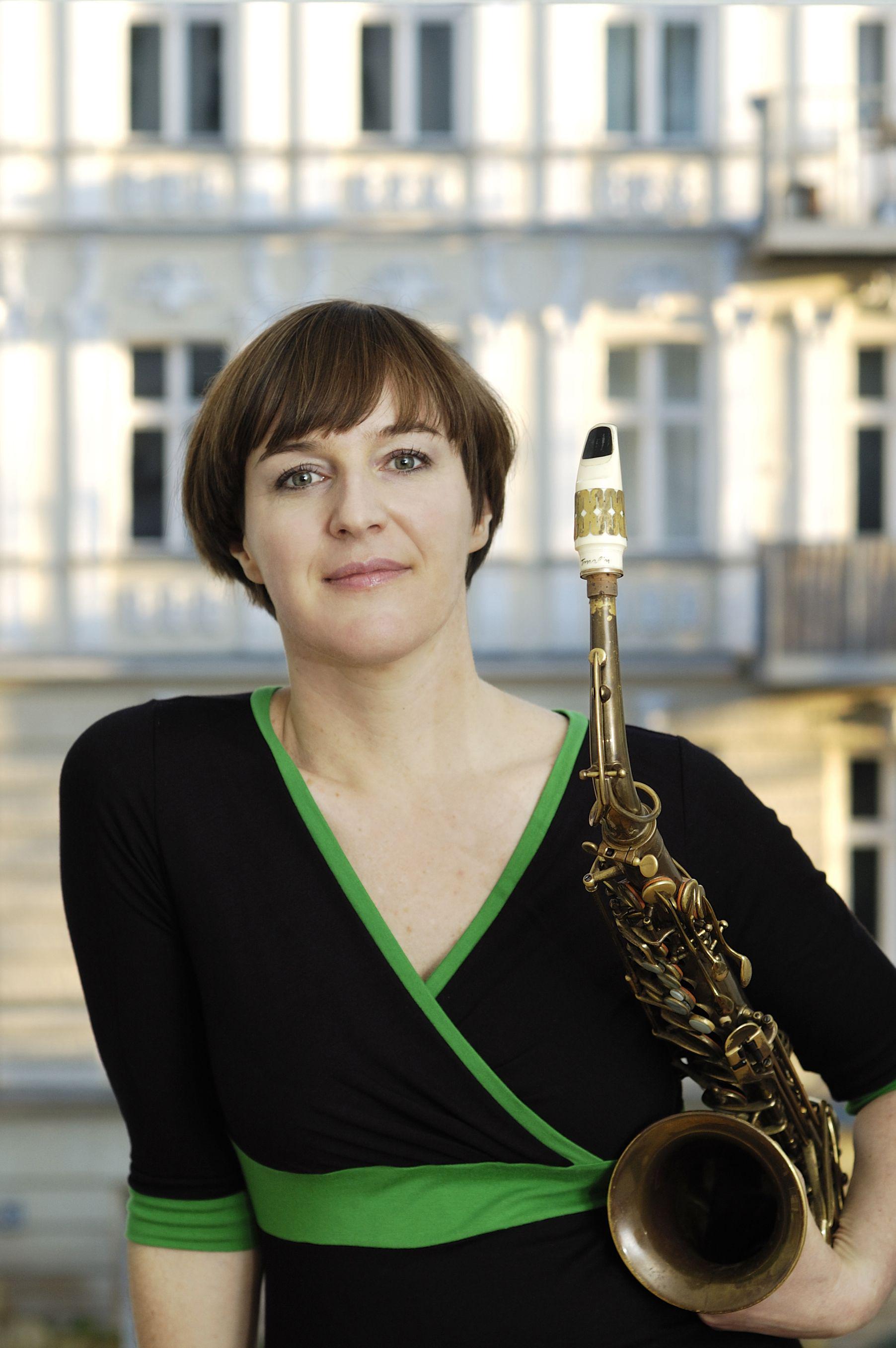
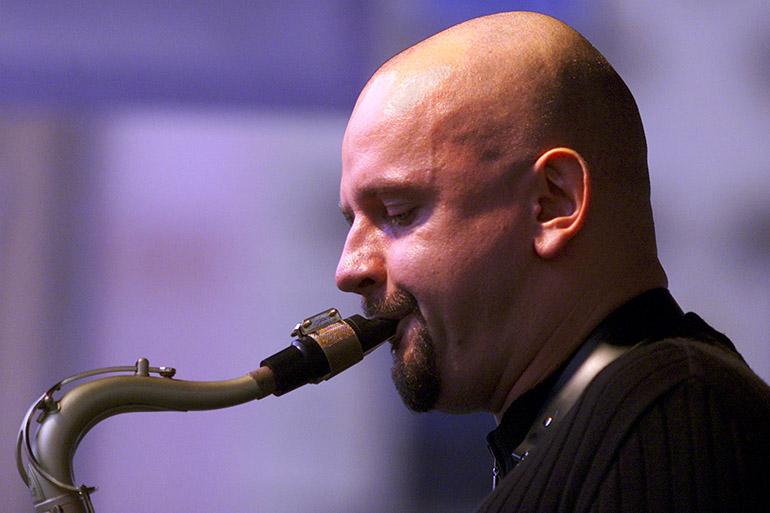
Gebhard Ullmann’s Spotify BioMulti-instrumentalist Gebhard Ullmann (born on November 2, 1957) grew up near Bonn, studied medicine and music in Hamburg starting 1976, and moved to Berlin in 1983 to live as a professional musician. One year later, the 27-year-old was leading (and co-leading) his own bands, releasing his first albums in 1985. The next few years saw him working with Alexander Von Schlippenbach and Paul Bley (among many others) as well as touring the Middle East, East Africa, Australia, New Zealand, South East Asia, Turkey, Poland, Lithuania and Estonia. In 1990, he began his Ta Lam project, whose second recording brought together musicians from East and West Berlin's jazz and new music scenes; the album was nominated Best Jazz Record of 1994 by the German Schallplattenkritik. A compilation of the two Ta Lam releases (originally released on Germany's 99 Records) was released in 1998 by the Songlines label. Since the mid-90s, Ullmann has split his time between Berlin and New York, played in Gunter… Lenz' Springtime, and occasionally collaborated on projects with actor Otto Sander. The end of the '90s found Ullmann playing in the Clarinet Trio, Trad Corrosion (with Phil Haynes and guitarist Andreas Willers, (a longtime collaborator), in Basement Research (his group with Ellery Eskelin (later replaced by Tony Malaby), Drew Gress, and Haynes) and in Conference Call, a cooperative quartet with Michael Jefry Stevens, Joe Fonda and Matt Wilson or Han Bennink on the drums. In 2001, he began working with the NDR Big Band (with Tom Rainey on drums), eventually releasing the Big Band Project in 2004 featuring arrangements of his compositions by Satoko Fujii, Andy Emler and others. While recording and touring with all these various projects, Ullmann still found time to perform with the likes of Hamid Drake, Lee Konitz, Herb Robertson, Bulgarian master Ivo Papasov and Tony Buck (the Necks) among others while touring. 2004 saw still more touring with Conference Call (now with George Schuller on the drums), the Clarinet Trio (augmented by Hans Hassler on accordion), and a new quintet version of Basement Research as well as releases by Conference Call, the aforementioned Big Band Project the third CD of the Clarinet Trio and Desert Songs & Other Landscapes with the Ullmann/Swell 4 featuring Barry Altschul on the drums. 2005 was a landmark year for Gebhard Ullmann, celebrating 20 years since his first release and debuting a new project: Bass X3 with Peter Herbert and Chris Dahlgren on basses and Ullmann on bass flute and bass clarinet. ~ Joslyn Layne & Sean Westergaard
Viberate is a music analytics platform built for A&Rs, artist managers, labels, booking agents, marketers, and artists.
It helps music professionals track artist growth, analyze audience data, monitor playlist activity, compare artists, follow song performance, and identify opportunities across the music market.
Public artist pages provide a free preview of selected artist data. Paid plans provide access to deeper analytics, historical data, charts, comparisons, playlist tools, exports, alerts, reports, and additional professional features.
Yes. Public Viberate artist pages provide selected artist analytics and music data for free.
Viberate also offers a 7-day free trial of the full platform. A credit card is required to start the trial. The trial includes access to the complete product so users can test deeper artist analytics, historical views, playlist insights, comparisons, charts, exports, alerts, and reporting features before choosing a paid plan.
Viberate provides artist analytics across streaming, playlists, social media, video, radio airplay, songs, and audience markets.
Users can analyze Spotify performance, Spotify and Apple Music playlists, YouTube activity, TikTok and Instagram growth, radio spins, song performance, audience locations, demographics, rankings, and overall artist momentum.
Artist profiles also connect to music charts, similar artists, and comparison tools, helping users benchmark performance and evaluate artists in context.
Viberate updates key artist and track data daily.
For followed artists and tracks, selected data is refreshed multiple times per day. This helps teams monitor playlist changes, streaming movement, audience growth, releases, and campaign performance with more current data.
Update frequency can vary depending on the metric and data source.
Yes. Viberate lets users compare up to five artists side by side across streaming, social media, audience, and engagement metrics.
Users can compare fanbase growth, audience demographics, locations, Spotify performance, social metrics, and other artist data over selected time periods.
Artist comparison can be used for A&R scouting, benchmarking, booking decisions, campaign planning, and evaluating artists with similar audiences or market positions.