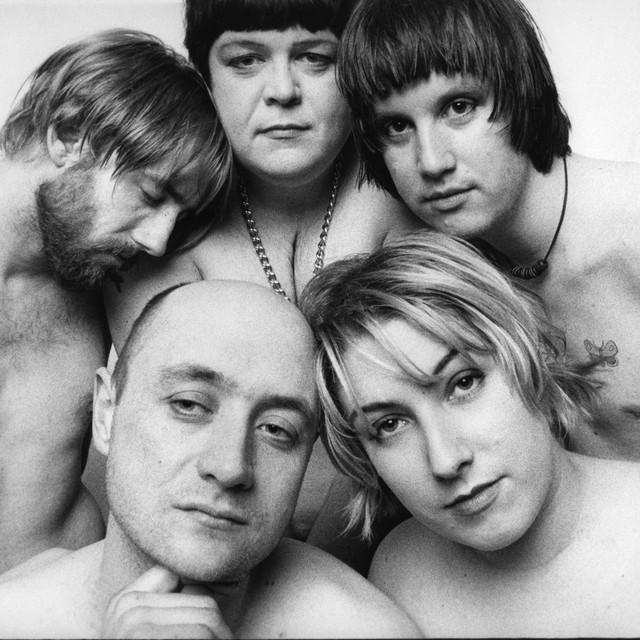
Gay Dad

Rock
Alternative Rock
Pop Rock
 Viberate Rank: 338910
 Viberate Rank: 338910
 Monthly ListenersFollowers
 Subscribers
 Followers
 Followers
 FansTop Spotify Songs
| Track | 7-Day Streams | |
|---|---|---|
1 | 729 | |
2 | 426 | |
3 | 228 | |
4 | 212 | |
5 | 135 |
Top YouTube VideosMonthly ListenersFeatured in Playlists| Playlist | Followers | |
|---|---|---|
1 |  EAFC & FIFA Soundtracks Bart Dunweg | 15.77K |
2 |  Timeless Rock Songs & Fresh Faces Rich P | 12.70K |
3 |  FIFA 98: Road to World Cup-23 Soundtrack magickassassin | 4.46K |
4 |  FIFA 1997-2022 (All Songs) Diego Jiménez | 4.15K |
5 | 500C feelgood playlist fiat500c | 4.12K |
Audience| City | Monthly Listeners | |
|---|---|---|
1 | | 263 |
2 | | 114 |
3 | | 57 |
4 | | 45 |
5 |  | 43 |
See full performance history, audience data, playlist activity, rankings, comparisons, and more in Viberate music analytics. Start with a free trial, then continue with a paid plan.
Gay Dad’s Spotify BioBrit-pop phenoms Gay Dad were led by singer Cliff Jones, a onetime music journalist who first began conceiving the band during the early 1990s. Initial details are sketchy and the nascent group's line-up was fluid, although drummer Nicholas "Baz" Crowe was a mainstay from the outset; a 1994 demo recorded with legendary Rolling Stones producer Andrew Loog Oldham proved so disastrous it derailed Gay Dad's momentum for over a year, however, and they did not make their live debut until 1995. Early gigs were often a shambles, and by 1996 Jones -- who in the interim had developed a fascination with psychedelia and glam-rock -- began to rethink the band's approach; a subsequent demo earned Gay Dad considerable insider buzz, and in the spring of 1997 they signed to London Records. Their debut single, 1998's "To Earth with Love, " became a UK smash, and the band -- in addition to Jones and Baz now comprising guitarist Charley Stone, bassist Nigel Hoyle and keyboardist James Riseboro -- emerged… as media darlings; the full-length Leisure Noise followed in mid-1999, with Stone leaving Gay Dad soon after. It would be three years until they would appear again, but they chose not to replace Stone and instead kept the group smaller for Transmission, a focused effort that showed them lean closer to their pop tendencies than their psychedelic tendencies. ~ Jason Ankeny, Rovi
Viberate is a music analytics platform built for A&Rs, artist managers, labels, booking agents, marketers, and artists.
It helps music professionals track artist growth, analyze audience data, monitor playlist activity, compare artists, follow song performance, and identify opportunities across the music market.
Public artist pages provide a free preview of selected artist data. Paid plans provide access to deeper analytics, historical data, charts, comparisons, playlist tools, exports, alerts, reports, and additional professional features.
Yes. Public Viberate artist pages provide selected artist analytics and music data for free.
Viberate also offers a 7-day free trial of the full platform. A credit card is required to start the trial. The trial includes access to the complete product so users can test deeper artist analytics, historical views, playlist insights, comparisons, charts, exports, alerts, and reporting features before choosing a paid plan.
Viberate provides artist analytics across streaming, playlists, social media, video, radio airplay, songs, and audience markets.
Users can analyze Spotify performance, Spotify and Apple Music playlists, YouTube activity, TikTok and Instagram growth, radio spins, song performance, audience locations, demographics, rankings, and overall artist momentum.
Artist profiles also connect to music charts, similar artists, and comparison tools, helping users benchmark performance and evaluate artists in context.
Viberate updates key artist and track data daily.
For followed artists and tracks, selected data is refreshed multiple times per day. This helps teams monitor playlist changes, streaming movement, audience growth, releases, and campaign performance with more current data.
Update frequency can vary depending on the metric and data source.
Yes. Viberate lets users compare up to five artists side by side across streaming, social media, audience, and engagement metrics.
Users can compare fanbase growth, audience demographics, locations, Spotify performance, social metrics, and other artist data over selected time periods.
Artist comparison can be used for A&R scouting, benchmarking, booking decisions, campaign planning, and evaluating artists with similar audiences or market positions.