Gatecreeper

Metal
Death Metal
Hardcore Punk
 Viberate Rank: 73715
 Viberate Rank: 73715
 Monthly ListenersFollowers
 Subscribers
 Followers
 Followers
 FansTop Spotify Songs
| Track | 7-Day Streams | |
|---|---|---|
1 | 8.79K | |
2 | 4.90K | |
3 | 4.54K | |
4 | 3.58K | |
5 | 2.58K |
Top YouTube VideosMonthly ListenersFeatured in Playlists| Playlist | Followers | |
|---|---|---|
1 |  Metal Kingdom PlayStation®️ | 20.19K |
2 |  Rock am Ring 2026 | Official Playlist Rock am Ring | 16.60K |
3 | Metal🤘🏻 Naydil González | 16.46K |
4 |  TONS OF ROCK 2026 - Official Playlist Tons of Rock | 11.82K |
5 |  Rock im Park 2026 | Official Playlist Rock im Park | 10.88K |
Audience| City | Monthly Listeners | |
|---|---|---|
1 | | 743 |
2 | | 722 |
3 | | 552 |
4 |  | 519 |
5 | | 491 |
See full performance history, audience data, playlist activity, rankings, comparisons, and more in Viberate music analytics. Start with a free trial, then continue with a paid plan.
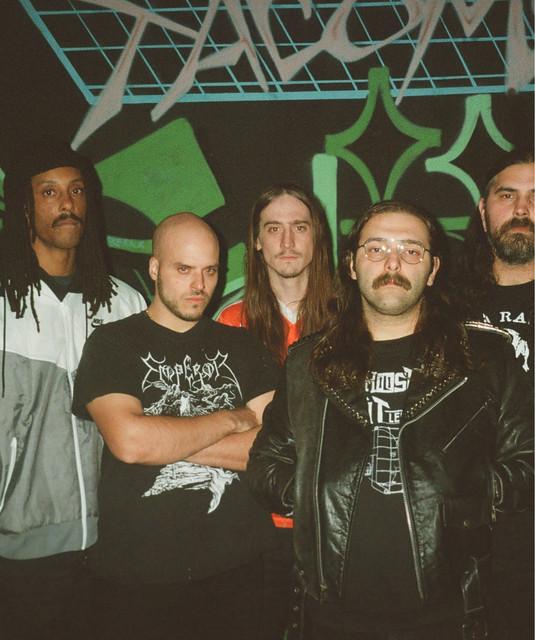
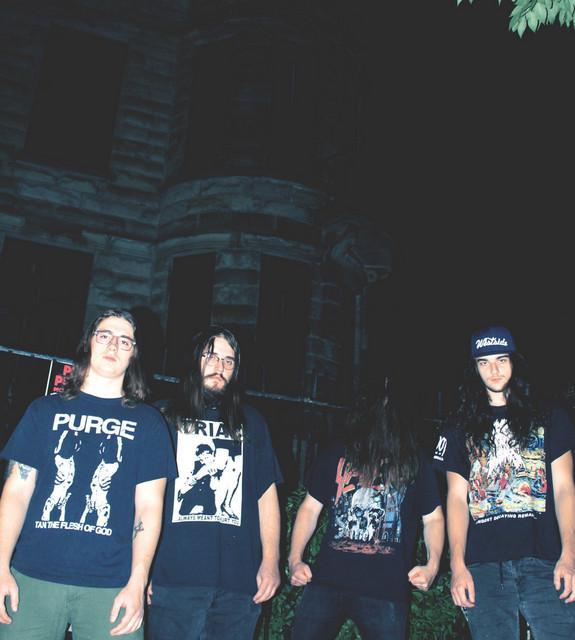
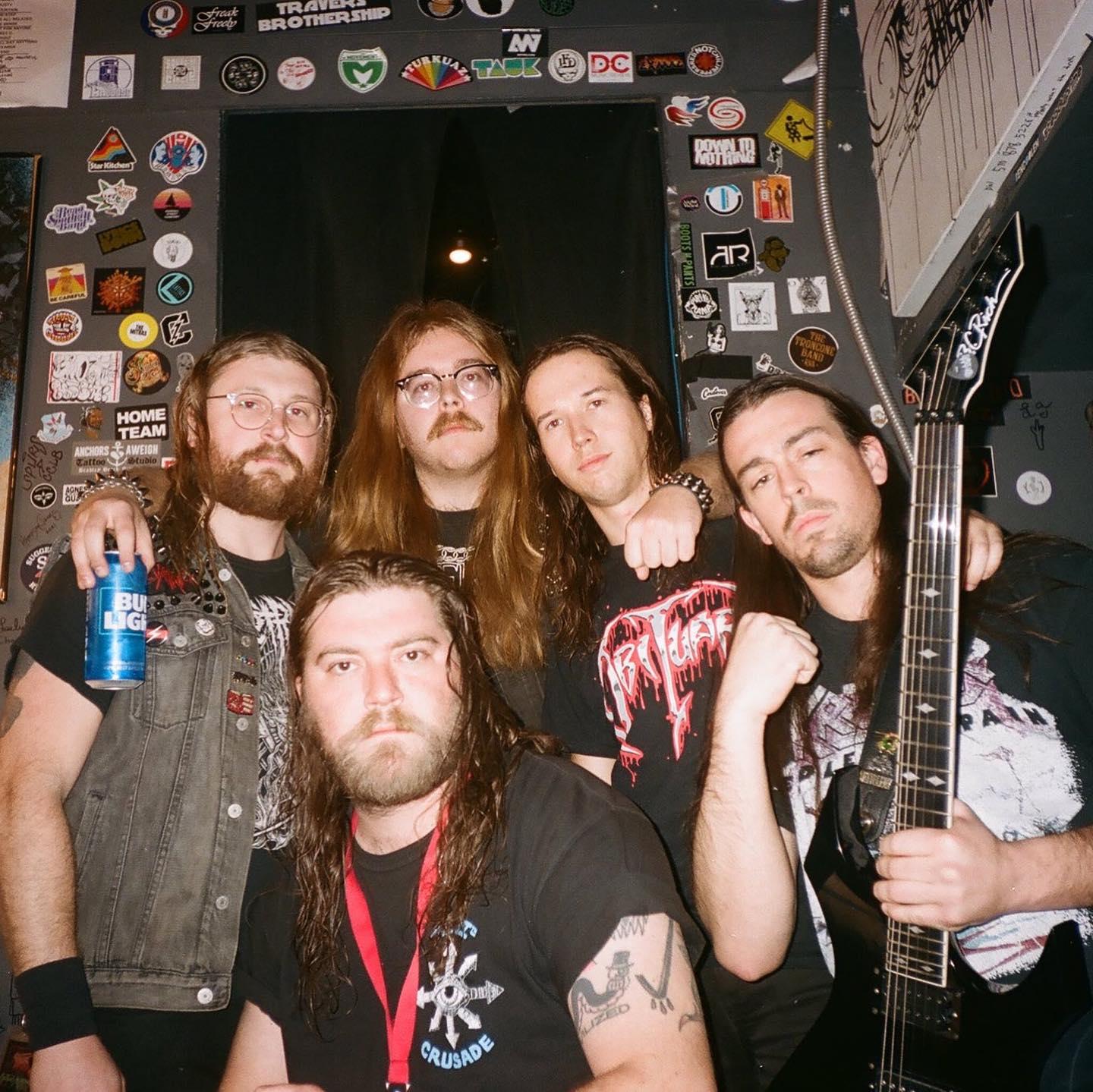
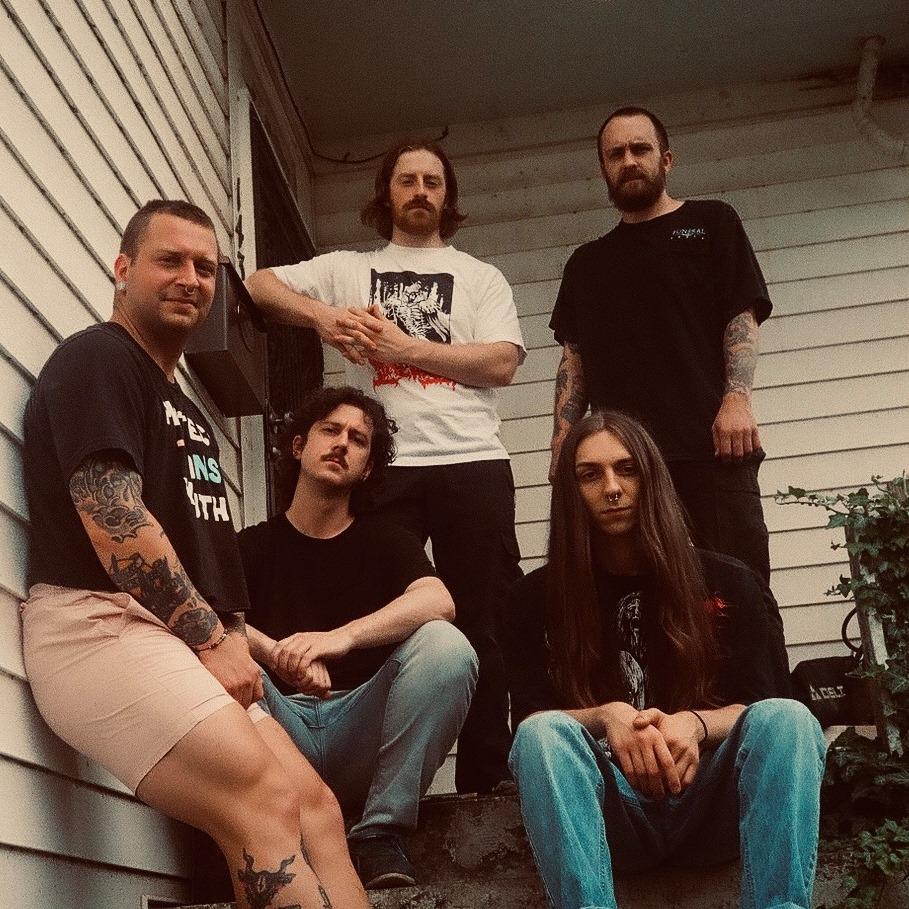
Gatecreeper’s Spotify BioGatecreeper’s third full-length sees the Arizona death metal specialists—vocalist Chase H. Mason, guitarists Eric Wagner and Israel Garza, drummer Metal Matt Arrebollo and bassist Alex Brown—carving out their own path. The band’s first album for Nuclear Blast is more concise, melodic, and memorable than anything they’ve done in the past. “We refined the song structures,” Mason says. “We’re getting better at what we do.”
Formed in 2013, Gatecreeper have spent the last decade steadily climbing the death metal ladder. Their self-titled 2014 EP established instant credibility as purveyors of the old-school form. The band signed with Relapse, releasing their full-length debut Sonoran Depravation in 2016.
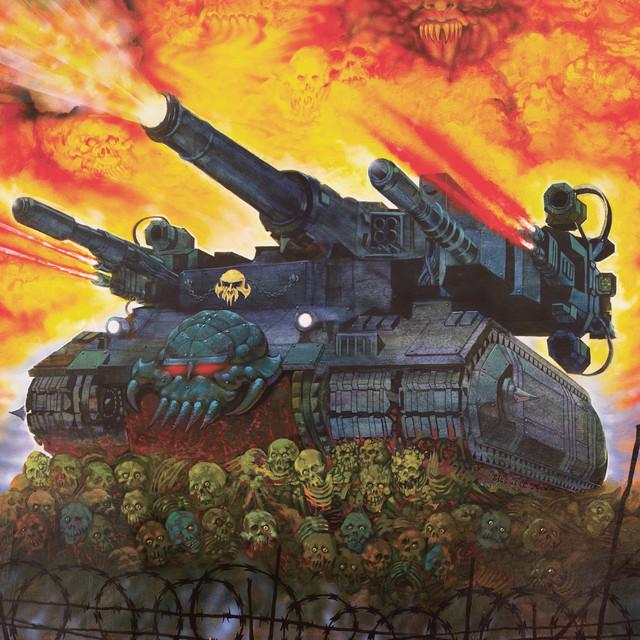
Think of Dark Superstition as Gatecreeper’s answer to Entombed’s Wolverine Blues or Dismember’s Massive Killing Capacity, pivotal albums on which the songs got tighter and more rock influenced. “In the mid-90s, all those bands were evolving into doing their own thing,” Mason says. “I feel… like we’ve incorporated that timeline into Gatecreeper.”
Thematically speaking, Dark Superstition deals with the supernatural, divination, fear of the unknown, and trust in magic or chance. “Many of the songs incorporate supernatural ideas with my own experiences,” Mason says. “But the title itself is a reference to the Superstition Mountains in our home state of Arizona. It’s a beautiful mountain range surrounded by tragedy and legends of hidden fortune.”
Viberate is a music analytics platform built for A&Rs, artist managers, labels, booking agents, marketers, and artists.
It helps music professionals track artist growth, analyze audience data, monitor playlist activity, compare artists, follow song performance, and identify opportunities across the music market.
Public artist pages provide a free preview of selected artist data. Paid plans provide access to deeper analytics, historical data, charts, comparisons, playlist tools, exports, alerts, reports, and additional professional features.
Yes. Public Viberate artist pages provide selected artist analytics and music data for free.
Viberate also offers a 7-day free trial of the full platform. A credit card is required to start the trial. The trial includes access to the complete product so users can test deeper artist analytics, historical views, playlist insights, comparisons, charts, exports, alerts, and reporting features before choosing a paid plan.
Viberate provides artist analytics across streaming, playlists, social media, video, radio airplay, songs, and audience markets.
Users can analyze Spotify performance, Spotify and Apple Music playlists, YouTube activity, TikTok and Instagram growth, radio spins, song performance, audience locations, demographics, rankings, and overall artist momentum.
Artist profiles also connect to music charts, similar artists, and comparison tools, helping users benchmark performance and evaluate artists in context.
Viberate updates key artist and track data daily.
For followed artists and tracks, selected data is refreshed multiple times per day. This helps teams monitor playlist changes, streaming movement, audience growth, releases, and campaign performance with more current data.
Update frequency can vary depending on the metric and data source.
Yes. Viberate lets users compare up to five artists side by side across streaming, social media, audience, and engagement metrics.
Users can compare fanbase growth, audience demographics, locations, Spotify performance, social metrics, and other artist data over selected time periods.
Artist comparison can be used for A&R scouting, benchmarking, booking decisions, campaign planning, and evaluating artists with similar audiences or market positions.