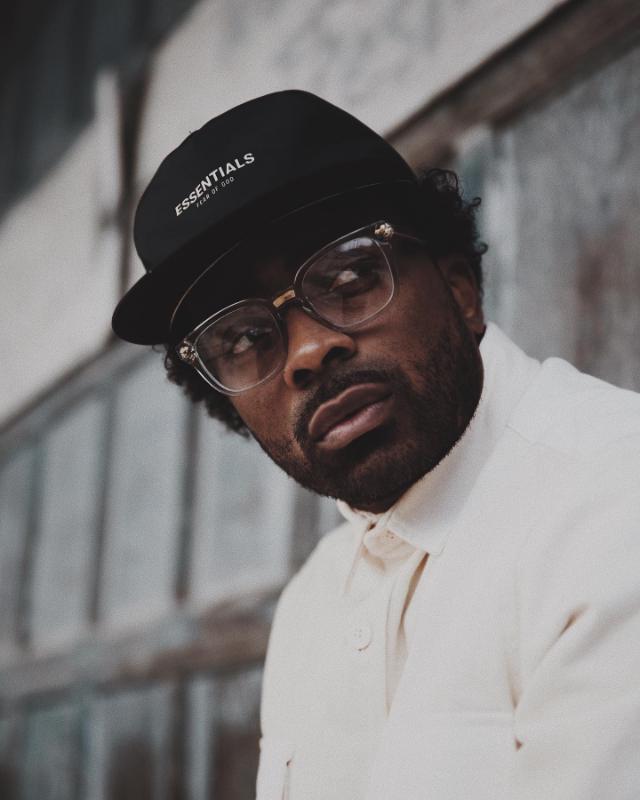
Gary Soulz

Hip Hop
Contemporary Hip Hop
 Viberate Rank: 380584
 Viberate Rank: 380584
 Monthly ListenersFollowers
 Subscribers
 Followers
 Followers
 FansTop Spotify Songs
| Track | 7-Day Streams | |
|---|---|---|
1 | 58 | |
2 | 42 | |
3 | 19 | |
4 | 17 | |
5 | 17 |
Top YouTube VideosMonthly ListenersFeatured in Playlists| Playlist | Followers | |
|---|---|---|
1 |  Pass Me The Hookah Xzone | 7.41K |
2 |  TRAP FUEGO Future Music Club | 5.97K |
3 |  Of The Night Xzone | 5.21K |
4 | Maybe I Deserve Jennifer | 2.10K |
Audience| City | Monthly Listeners | |
|---|---|---|
1 |  | 33 |
2 |  | 28 |
3 | | 17 |
4 |  | 14 |
5 | | 12 |
See full performance history, audience data, playlist activity, rankings, comparisons, and more in Viberate music analytics. Start with a free trial, then continue with a paid plan.
Gary Soulz’s Spotify BioThe ability to combine gritty storytelling, acrobatics and soulful harmonies is what separates Gary Soulz. Raised by two Hispanic immigrants from Honduras and Colombia, this Boston native rejects complacency in the face of success. Focused on growth, fueled by creativity and passion, Gary's music is the vehicle that drives and guides him on his journey.
Rewinding back to 2012, after releasing his debut mixtape "It's Just Me" (under the moniker G.O.), the Boston hip hop scene quickly took notice, leading to collaborations with local favorites Reks and Akrobatik. Deciding it was time to switch gears, G.O. morphed into Gary Soulz back in 2016. He's since gone on to release 7 singles, his 2018 EP "Farewell", followed by his 2019 LP "Whatever It Takes". This body of work includes features by notable figures such as Sebastian Mikael and BJ The Chicago Kid.
For Gary, music is more than just a career. His goal is to use his voice as a way to inspire his fans, to find the highest version of… himself and to project his sense of peace onto others. The way he speaks to your soul is part gospel, part conversation with your best friend. His authenticity is the reflection of an 8 year old poet. His stories sound so familiar because they're real.
Viberate is a music analytics platform built for A&Rs, artist managers, labels, booking agents, marketers, and artists.
It helps music professionals track artist growth, analyze audience data, monitor playlist activity, compare artists, follow song performance, and identify opportunities across the music market.
Public artist pages provide a free preview of selected artist data. Paid plans provide access to deeper analytics, historical data, charts, comparisons, playlist tools, exports, alerts, reports, and additional professional features.
Yes. Public Viberate artist pages provide selected artist analytics and music data for free.
Viberate also offers a 7-day free trial of the full platform. A credit card is required to start the trial. The trial includes access to the complete product so users can test deeper artist analytics, historical views, playlist insights, comparisons, charts, exports, alerts, and reporting features before choosing a paid plan.
Viberate provides artist analytics across streaming, playlists, social media, video, radio airplay, songs, and audience markets.
Users can analyze Spotify performance, Spotify and Apple Music playlists, YouTube activity, TikTok and Instagram growth, radio spins, song performance, audience locations, demographics, rankings, and overall artist momentum.
Artist profiles also connect to music charts, similar artists, and comparison tools, helping users benchmark performance and evaluate artists in context.
Viberate updates key artist and track data daily.
For followed artists and tracks, selected data is refreshed multiple times per day. This helps teams monitor playlist changes, streaming movement, audience growth, releases, and campaign performance with more current data.
Update frequency can vary depending on the metric and data source.
Yes. Viberate lets users compare up to five artists side by side across streaming, social media, audience, and engagement metrics.
Users can compare fanbase growth, audience demographics, locations, Spotify performance, social metrics, and other artist data over selected time periods.
Artist comparison can be used for A&R scouting, benchmarking, booking decisions, campaign planning, and evaluating artists with similar audiences or market positions.