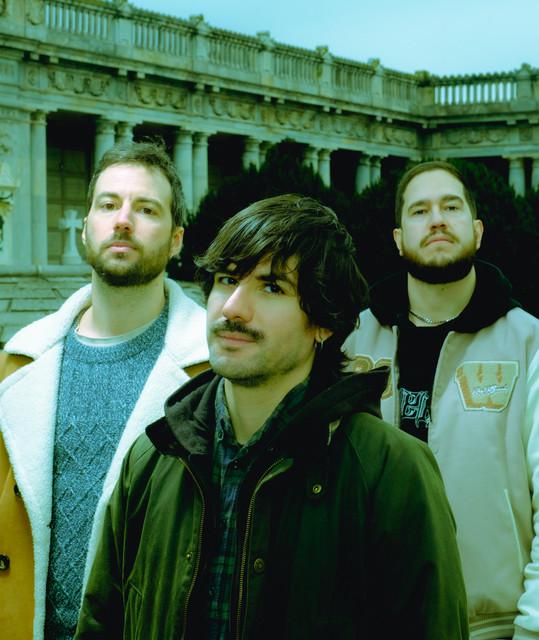
Garda 1990

Rock
Indie Rock
Screamo
 Viberate Rank: 513106
 Viberate Rank: 513106
 Monthly ListenersFollowers
 Subscribers
 Followers
 Followers
 FansTop YouTube VideosMonthly ListenersFeatured in Playlists
| Playlist | Followers | |
|---|---|---|
1 |  EMO ITALIA Collettivo HMCF | 1.90K |
2 |  Emo Revival 2.0 David K | 1.29K |
3 |  La buona merda italiana | Emo IN italiano La Buona Merda collettivo | 1.08K |
Audience| City | Monthly Listeners | |
|---|---|---|
1 | | 21 |
2 | | 19 |
3 | | 15 |
4 | | 10 |
5 | | 9 |
See full performance history, audience data, playlist activity, rankings, comparisons, and more in Viberate music analytics. Start with a free trial, then continue with a paid plan.
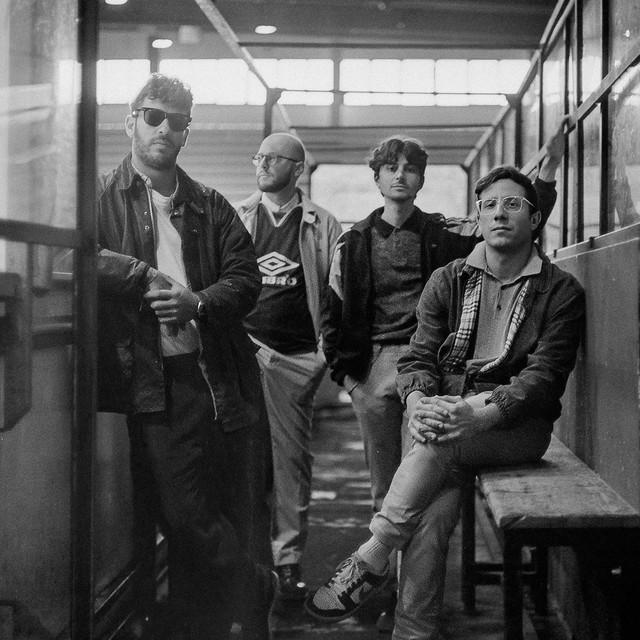
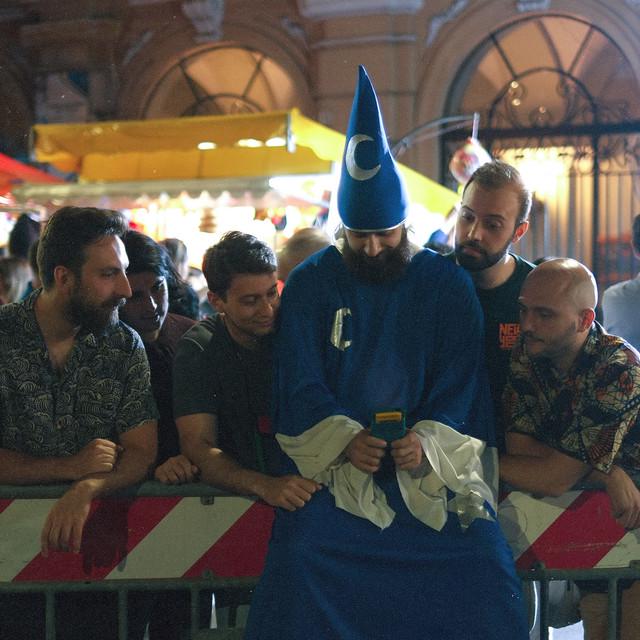
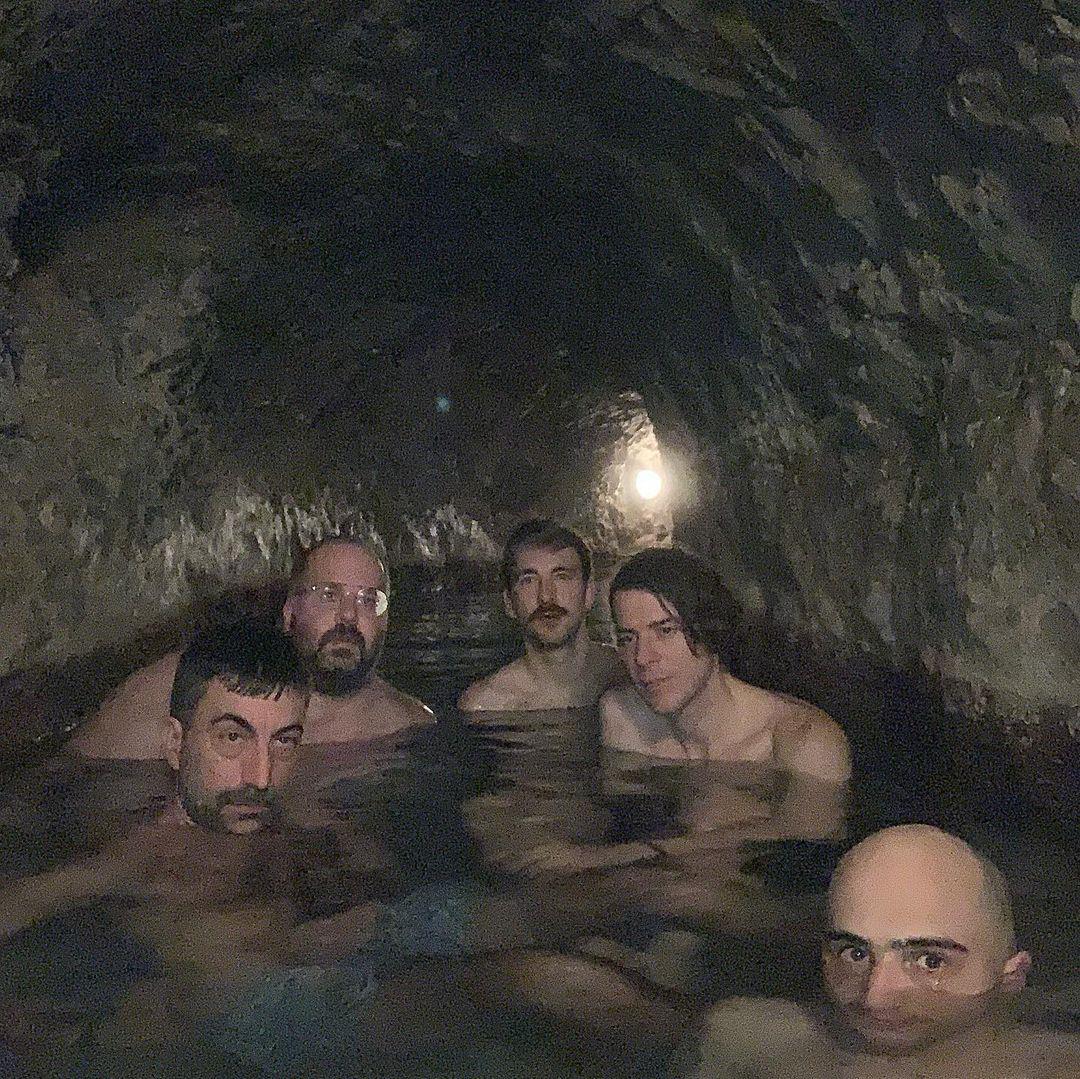
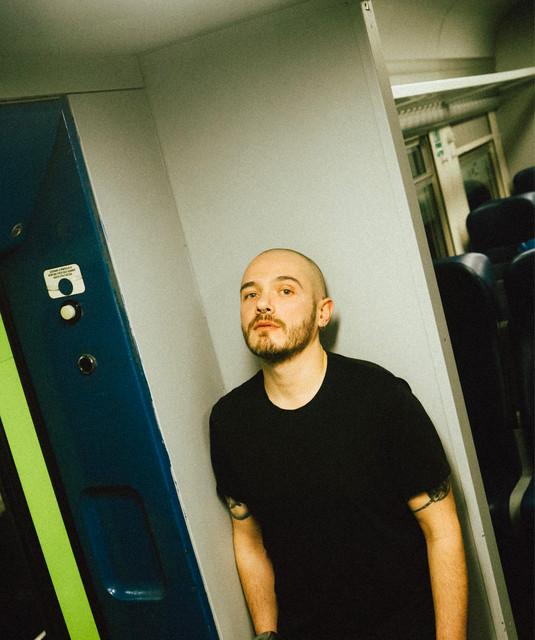
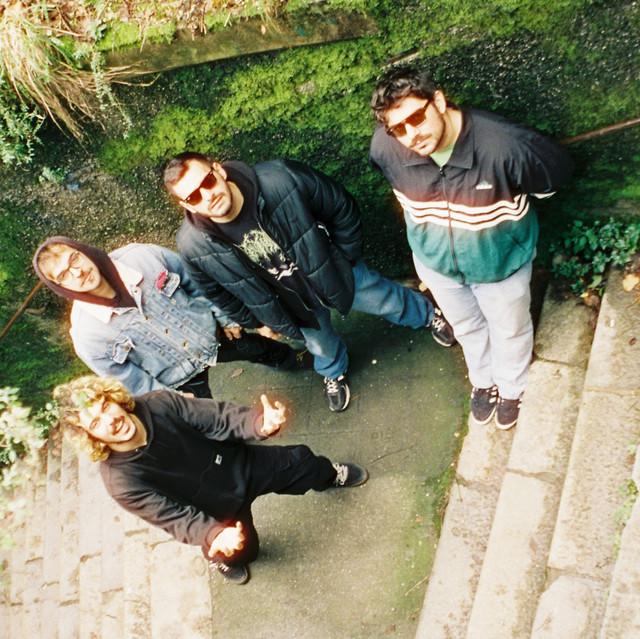
Garda 1990’s Spotify BioGarda 1990 è un incontro tra le sfumature del midwest emo statunitense e l’urgenza espressiva del sound anni ’90. Il trio – Davide Traina, Lorenzo Atti e Francesco Dalla – è ormai una realtà di spicco nella scena underground italiana.
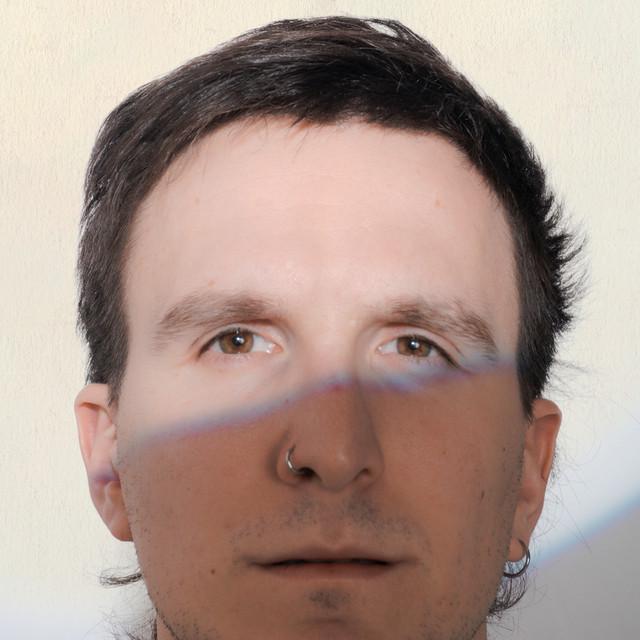
Il progetto nasce nel maggio 2017 dall’iniziativa solista di Davide Traina, che in un piccolo studio di architettura in Via Marsala a Bologna inizia a comporre e registrare i primi brani. Nel marzo 2018 prende forma il debut album “Downtown”, pubblicato un anno dopo da diverse etichette indipendenti.
L’estate del 2019 segna una svolta: dopo una serie di concerti, Lorenzo entra ufficialmente al basso e Albrecht alla batteria, mentre Davide sceglie di abbandonare l’inglese per cantare in italiano. Il nuovo assetto dà vita a un power trio emocore dalle influenze post-gaze.
A luglio dello stesso anno la band registra cinque nuovi brani, che compongono l’EP “Venti”, pubblicato a settembre 2020. Nel 2022, con l’uscita di scena di Kaufmann, alla batteria arriva… Francesco, portando nuova energia.
Dopo innumerevoli concerti e altrettante peripezie, ad aprile 2023 i Garda 1990 entrano in studio per registrare il nuovo album: “Forevermore Segreti”, nove tracce intense e cariche di emotività, senza filtri interpretativi. Il disco, registrato, mixato e prodotto da Andrea Maglia e Carmelo Gerace al Bleach di Gittana, sul Lago di Como, vedrà la luce il 4 aprile 2025 per La Tempesta Dischi.
Viberate is a music analytics platform built for A&Rs, artist managers, labels, booking agents, marketers, and artists.
It helps music professionals track artist growth, analyze audience data, monitor playlist activity, compare artists, follow song performance, and identify opportunities across the music market.
Public artist pages provide a free preview of selected artist data. Paid plans provide access to deeper analytics, historical data, charts, comparisons, playlist tools, exports, alerts, reports, and additional professional features.
Yes. Public Viberate artist pages provide selected artist analytics and music data for free.
Viberate also offers a 7-day free trial of the full platform. A credit card is required to start the trial. The trial includes access to the complete product so users can test deeper artist analytics, historical views, playlist insights, comparisons, charts, exports, alerts, and reporting features before choosing a paid plan.
Viberate provides artist analytics across streaming, playlists, social media, video, radio airplay, songs, and audience markets.
Users can analyze Spotify performance, Spotify and Apple Music playlists, YouTube activity, TikTok and Instagram growth, radio spins, song performance, audience locations, demographics, rankings, and overall artist momentum.
Artist profiles also connect to music charts, similar artists, and comparison tools, helping users benchmark performance and evaluate artists in context.
Viberate updates key artist and track data daily.
For followed artists and tracks, selected data is refreshed multiple times per day. This helps teams monitor playlist changes, streaming movement, audience growth, releases, and campaign performance with more current data.
Update frequency can vary depending on the metric and data source.
Yes. Viberate lets users compare up to five artists side by side across streaming, social media, audience, and engagement metrics.
Users can compare fanbase growth, audience demographics, locations, Spotify performance, social metrics, and other artist data over selected time periods.
Artist comparison can be used for A&R scouting, benchmarking, booking decisions, campaign planning, and evaluating artists with similar audiences or market positions.